


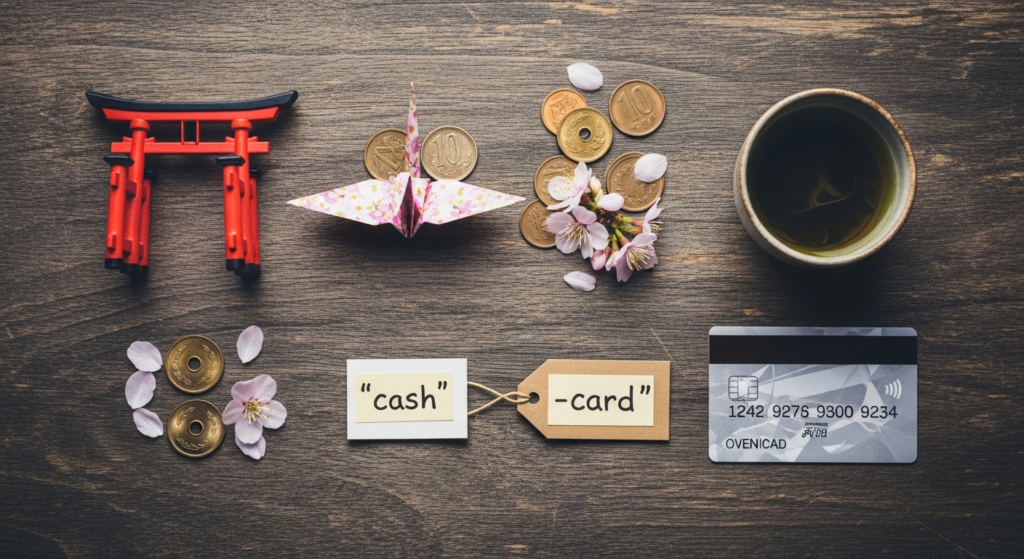
Japan Cash vs Credit Card Travel Tips: Your Ultimate Guide to Payments in the Land of the Rising Sun
Japan has long held a reputation as a cash-dominated society, a unique characteristic in an increasingly cashless global economy. While this perception still holds some truth, the landscape is rapidly evolving. The Land of the Rising Sun is embracing digital transformation, with an accelerating push towards cashless payments in recent years. However, this transition is not uniform, and many beloved aspects of Japanese culture – particularly local eateries, traditional inns (ryokan), and quaint shops – still thrive on the reassuring jingle of coins and the crisp rustle of banknotes. This guide will arm you with the knowledge to confidently navigate both worlds, ensuring you’re prepared for every transaction, big or small, as you explore this magnificent country.
The Evolving Landscape: Japan’s Shift Towards Cashless
For decades, Japan stood out as a nation where cash was king. Even large purchases were often settled with thick wads of yen, and credit cards were viewed with a certain skepticism in many establishments. However, the winds of change have been blowing strongly, particularly in the lead-up to the Tokyo Olympics and accelerated by the global pandemic. The Japanese government has actively promoted cashless payment options, encouraging businesses to adopt card readers and digital wallet systems. This concerted effort has led to a significant increase in places accepting credit cards, debit cards, and various forms of digital payments.
You’ll notice this shift immediately in major urban centers like Tokyo, Osaka, and even larger cities in the Hiroshima region. Department stores, chain restaurants, major hotels, and most convenience stores (konbini) are now almost universally equipped to handle card transactions. Many train stations, including those for the Shinkansen (bullet train) and major JR lines, also readily accept cards for tickets and passes. This modernization makes planning larger expenditures, such as accommodation and long-distance travel, much more convenient for international visitors relying on their cards.
However, it’s crucial to understand that this evolution is not yet absolute. While the number of card-friendly establishments grows daily, a significant portion of Japan’s charm lies in its smaller, independent businesses, its traditional crafts, and its local culinary gems. These are often the very places where cash remains the preferred, or sometimes only, method of payment. Therefore, while Japan is undoubtedly moving towards a more cashless future, a savvy traveler embarking on a journey to fully experience its rich culture must still appreciate the enduring value of cash.
The Enduring Reign of Cash (Genkin): Where It’s Still King
- Small, Independent Eateries & Cafes: Imagine stumbling upon a hidden gem of a ramen shop down a narrow alley in Onomichi’s historic district, or a cozy cafe serving exquisite drip coffee. These charming, often family-run establishments frequently operate on a cash-only basis. Similarly, local izakayas (Japanese pubs) and traditional eateries that specialize in a specific dish are likely to prefer or only accept cash.
- Traditional Accommodations: While large hotels in cities like Hiroshima will happily accept your credit card, smaller ryokan (traditional inns) and minshuku (guesthouses), especially those nestled in scenic areas or rural towns, often require cash payments. This is particularly true for places that offer a more intimate, authentic experience, where the focus is on hospitality rather than high-tech payment systems.
- Local Public Transport: While major city subways and JR trains often accept IC cards (which can be topped up with cash or card), many local buses, trams, and ferries, especially in more rural or island-hopping regions (like the charming ferries around Onomichi to Mukaishima or Innoshima), predominantly operate on a cash-only system for single fares. Taxis, while increasingly card-friendly, might still prefer cash for shorter rides or during peak hours.
- Temple & Shrine Visits: When making an offering (osaisen – お賽銭) at a temple or shrine, purchasing fortunes (omikuji – おみくじ), or buying small protective charms (omamori – お守り), cash is universally expected. These transactions are often handled through donation boxes or small kiosks that aren’t set up for card payments.
- Vending Machines: Japan is famous for its ubiquitous vending machines. While newer models might accept IC cards or even digital payments, a vast number of them – for drinks, snacks, and even hot food – still rely solely on coins and ¥1,000 notes.
- Local Markets & Street Vendors: Exploring a bustling morning market or enjoying delicious street food at a festival? These vibrant cultural experiences are almost exclusively cash-based. From fresh produce to grilled skewers, you’ll need yen in hand.
- Admission to Smaller Attractions: While major museums accept cards, many smaller historical sites, local art galleries, or lesser-known gardens might only take cash for admission fees.
When using cash, it’s good practice to carry a mix of denominations. ¥1,000 and ¥5,000 notes are incredibly useful for daily expenses, and having a good supply of ¥100 and ¥500 coins will save you from fumbling for change at vending machines or on buses. Always be prepared with enough cash for a day’s worth of activities, especially if venturing into areas less frequented by mass tourism.
The Rise of Plastic: Navigating Credit and Debit Cards in Japan
The good news for international travelers is that credit and debit card acceptance has dramatically improved across Japan, making “Japan cash vs credit card travel tips” more balanced than ever. You absolutely can, and should, rely on your cards for many purchases, especially larger ones.
Where Your Cards Will Be Your Best Friend:
- Major Hotels and Resorts: Whether you’re staying in a luxurious hotel in Hiroshima City or a modern business hotel, your credit card will be the primary form of payment. This also includes online bookings made in advance.
- Department Stores & Large Retailers: Iconic department stores like Sogo in Hiroshima, Parco, and Bic Camera are fully equipped for card payments. You’ll find it easy to shop for fashion, electronics, and souvenirs using your plastic here. Don’t forget to inquire about tax-free shopping (menzei – 免税) if you’re eligible, as many stores offer instant refunds for tourists.
- Chain Restaurants & Cafes: Major restaurant chains (like Starbucks, McDonald’s, and many popular Japanese chains) and larger, more tourist-focused dining establishments consistently accept credit cards.
- Convenience Stores (Konbini): This is a lifesaver for travelers! 7-Eleven, FamilyMart, Lawson, and other konbini chains are ubiquitous and universally accept major credit and debit cards for everything from snacks and drinks to toiletries and even some bill payments. They are also excellent places to find ATMs.
- Major Transport Hubs: Purchasing Shinkansen tickets, longer-distance JR train passes, and even topping up your IC card at major station machines can often be done with a credit card. Rental car agencies also require a credit card.
- Tourist Attractions & Museums: Larger, well-known attractions like the Hiroshima Peace Memorial Museum, Miyajima ferry tickets, and Universal Studios Japan typically have card payment facilities.
- E-commerce & Online Bookings: For booking hotels, flights, and activities in advance, your credit card will be essential.
Key Considerations for Using Cards:
- Accepted Networks: Visa and Mastercard are the most widely accepted. JCB, a Japanese network, is also quite prevalent. American Express and Discover are gaining traction but might not be accepted everywhere, so always have a Visa or Mastercard as a backup.
- Debit vs. Credit: Both can be used, but be aware of potential foreign transaction fees from your home bank. Some debit cards may have lower limits or require online PIN verification which isn’t always supported. Credit cards often offer better consumer protection.
- Pre-paid Travel Cards: Some travelers opt for pre-paid travel cards loaded with JPY or another currency. These can help manage your budget and avoid fluctuating exchange rates, but check their acceptance network and any associated fees.
- Notify Your Bank: Always inform your bank and credit card companies of your travel dates and destinations. This prevents them from flagging your transactions as suspicious and blocking your card.
- Dynamic Currency Conversion (DCC): When paying with a card, you might be asked if you want to pay in Japanese Yen (JPY) or your home currency. ALWAYS choose to pay in JPY. If you choose your home currency, the merchant or their payment processor will apply their own, often less favorable, exchange rate, costing you more.
In essence, cards are fantastic for pre-bookings, larger purchases, and convenience store runs. Just don’t expect them to cover every single transaction in the country, especially when venturing off the beaten path into the heart of local Japanese life.
Digital Wallets & QR Codes: The Modern Traveler’s Toolkit
Japan is at the forefront of technological innovation, and its embrace of digital payments is growing rapidly. While primarily designed for local users, some digital payment options are increasingly accessible to international travelers, adding another layer to your Japan cash vs credit card travel tips strategy.
IC Cards: Your Public Transport & Convenience Store Companion
These are arguably the most essential digital payment method for tourists. IC cards like Suica, Pasmo, and ICOCA (prevalent in the Hiroshima and Kansai regions) are rechargeable smart cards primarily used for public transportation. You simply tap your card at the ticket gate to enter and exit train stations or when boarding and alighting buses. But their utility extends far beyond transport:
- Versatile Payment: You can use your IC card to make small purchases at konbini, vending machines, lockers, some station shops, and even a growing number of restaurants.
- Easy to Top Up: You can recharge your IC card with cash at vending machines in train stations or at konbini. Some newer machines accept credit cards, but cash is always reliable.
- Tourist-Friendly: For short visits, look for special tourist versions like “Welcome Suica” or “Pasmo Passport” which don’t require a deposit and have a validity period. You can also download the Suica or Pasmo app on your iPhone (Japan region) to create a virtual card and top it up directly with Apple Pay.
Having an IC card is incredibly convenient for navigating cities and is a strong recommendation for anyone planning to use public transport extensively.
Mobile Payment Apps (QR Code Payments):
QR code payment apps like PayPay, Line Pay, and Rakuten Pay are extremely popular among Japanese residents. You’ll see their logos plastered everywhere. However, for most international travelers, using these directly can be challenging as they typically require a Japanese phone number, bank account, or specific local credit card linkage.
That said, some international apps like Alipay and WeChat Pay are widely accepted in Japan, especially in areas frequented by Chinese tourists. If you use these apps in your home country, you might find them useful at major department stores, electronics retailers, and some larger chain restaurants. Always look for the specific QR code logo at the checkout.
Contactless Payments (Apple Pay / Google Pay):
If your credit card is linked to Apple Pay or Google Pay on your smartphone or smartwatch, you might be able to use these for contactless payments. Many card readers that accept Visa, Mastercard, or JCB also support their contactless “tap-to-pay” versions. This means you can often use your phone just like an IC card or a contactless credit card at konbini, some restaurants, and stores that display the contactless payment symbol. Remember, this still relies on the underlying credit card network (Visa, Mastercard, etc.) being accepted by the merchant.
While digital wallets and QR codes are a rapidly growing part of the Japanese payment landscape, IC cards remain the most practical and widely usable digital payment method for the average tourist, especially for transport and quick daily purchases. For other mobile payments, always check for specific international compatibility before relying on them.
Practical Strategies: Striking the Perfect Balance
Navigating the “Japan cash vs credit card travel tips” dilemma effectively comes down to adopting a balanced approach. Here’s how to ensure you’re always prepared, no matter where your Japanese adventure takes you:
- Start with a Foundation of Cash: Upon arrival, withdraw a decent amount of cash, perhaps ¥30,000 to ¥50,000 (roughly $200-$350 USD, depending on exchange rates), from an airport ATM or a 7-Eleven. This initial buffer will cover immediate expenses like transport, small meals, and initial purchases without the worry of finding an ATM immediately.
- Cash for Small, Cards for Large:
- Cash: Use for street food, vending machines, small local shops, public transport (if not using an IC card), temple offerings, entrance fees to smaller attractions, and any local, independent establishments. This includes many of the charming family-run eateries you’ll find exploring Onomichi’s quaint alleys or rural Hiroshima Prefecture.
- Cards: Reserve for hotels, major department stores, chain restaurants, Shinkansen tickets, large electronics purchases, and online bookings.
- Always Carry Emergency Cash: Even if you plan to use cards extensively, always keep at least ¥10,000 to ¥20,000 in cash for unexpected situations or if a card reader is suddenly out of service.
- Utilize IC Cards for Daily Commutes: Get an IC card (Suica, Pasmo, ICOCA) as soon as possible. Load it with cash and use it for trains, buses, and quick purchases at konbini. It dramatically simplifies daily transport.
- Keep an Eye on Your Wallet: While Japan is incredibly safe, it’s always wise to be aware of your surroundings. Avoid carrying excessively large amounts of cash on your person. Distribute cash between different pockets or a money belt if you’re carrying a substantial sum.
- Track Your Spending: Keep a rough mental note or use a simple budgeting app to track how much cash you’re spending. This helps you anticipate when you’ll need to visit an ATM next.
- Be Prepared for “Cash Only” Surprises: Even in relatively developed areas, you might encounter a delightful restaurant or a unique shop that only accepts cash. Embrace it as part of the authentic Japanese experience and be ready with your yen. If you’re planning to explore the islands of the Seto Inland Sea near Onomichi, for instance, prepare for many establishments to be cash-only.
- Leverage Convenience Stores: Konbini are your best friend for both card payments (for quick necessities) and reliable ATM access. They are everywhere and open 24/7.
By integrating both cash and card into your financial strategy, you’ll be well-prepared for any transaction that comes your way, allowing you to focus on the truly important thing: enjoying the unparalleled beauty and culture of Japan.
ATM Access and Money Exchange: Your Financial Lifelines
Even with excellent Japan cash vs credit card travel tips, you’ll inevitably need to replenish your cash supply. Knowing where and how to access ATMs and exchange money efficiently is paramount for a smooth trip.
The Best ATMs for International Travelers:
- 7-Eleven ATMs: These are, without a doubt, your safest and most convenient bet. Found in every 7-Eleven convenience store (which are ubiquitous throughout Japan, including in Onomichi and Hiroshima), these ATMs are available 24/7, universally support international Visa, Mastercard, Plus, Maestro, Cirrus, and UnionPay cards, and offer English language menus. They are highly reliable.
- Japan Post Bank ATMs: Located within post offices nationwide, Japan Post Bank (Yūcho Ginkō – ゆうちょ銀行) ATMs also widely accept international cards and usually have English interfaces. While not 24/7 like 7-Eleven ATMs, their operating hours are generally generous.
- Other Bank ATMs: While major Japanese banks like Mizuho, SMBC, and MUFG have ATMs, many of them do not accept international cards or have very limited operating hours for international transactions. Stick to 7-Eleven or Japan Post Bank to avoid frustration.
ATM Withdrawal Tips:
- Check Your Daily Limits: Before you leave, confirm your daily withdrawal limit with your home bank. Also, be aware that Japanese ATMs might have their own withdrawal limits per transaction (often ¥50,000 to ¥100,000).
- Fees: Expect two types of fees: a small fee from the Japanese ATM (usually ¥110 to ¥220 per transaction) and any foreign transaction fees or withdrawal fees from your home bank. Make larger, less frequent withdrawals to minimize per-transaction fees.
- Dynamic Currency Conversion (DCC): As mentioned earlier, when presented with the option to withdraw in JPY or your home currency, ALWAYS choose JPY. This ensures you get the best exchange rate from your bank, not the ATM operator’s potentially inflated rate.
Money Exchange Counters:
While ATMs are generally the most cost-effective way to get yen, you can also exchange foreign currency at:
- Airports: Major international airports like Narita, Haneda, and Kansai (KIX, often used for Hiroshima access) have multiple money exchange counters. The rates here are usually decent for immediate cash needs upon arrival.
- Major Banks: Large bank branches in major cities will have exchange services. However, their hours might be limited, and the process can sometimes be slower.
- Travelex Outlets: You’ll find Travelex branches in some city centers and airports, offering a convenient if not always the best-rate, option.
It’s generally not recommended to rely solely on money exchange counters due to potentially less favorable rates compared to ATM withdrawals. Use them for convenience if you arrive with a large sum of foreign cash, but otherwise, let the ATMs be your primary source of yen.
Safety & Security: Protecting Your Yen and Your Information
Japan is renowned for its incredibly low crime rate, making it one of the safest countries in the world to travel through. The risk of theft or pickpocketing is significantly lower than in many other destinations. However, applying smart financial safety practices remains a crucial part of any comprehensive Japan cash vs credit card travel tips guide.
Cash Safety:
- Don’t Flash Your Cash: While it’s common to see Japanese people carrying substantial amounts of cash, it’s still wise not to openly display large sums of money. Be discreet when paying or counting cash.
- Distribute Your Funds: Avoid keeping all your cash in one place. Spread it across different pockets, a wallet, and perhaps a separate money belt or secured pouch in your luggage. This way, if one item is lost or stolen (however unlikely), you don’t lose everything.
- Use a Secure Wallet: A good wallet that closes securely can help prevent accidental spills of coins or notes.
- Be Mindful of Change: When receiving change, take a moment to count it, but do so discreetly. Japanese service is impeccable, and errors are rare, but it’s good practice.
Card Safety:
- Inform Your Bank: Always, always, always notify your bank and credit card companies of your travel plans. This helps prevent your card from being flagged for suspicious activity and frozen while you’re abroad.
- Keep Your PIN Secure: Guard your PIN carefully when using ATMs or making card purchases. Never write it down where it can be easily found.
- Regularly Monitor Transactions: Check your bank and credit card statements regularly, even daily if possible, using online banking apps. Report any suspicious transactions immediately.
- Beware of Skimmers (Rare but Possible): While ATM skimming is extremely rare in Japan, it’s a general travel precaution to give the card slot and keypad a quick check before inserting your card.
- Store Copies of Important Information: Keep photos or photocopies of your passport, credit cards (front and back, but blur the CVV for security), and emergency contact numbers (bank hotlines for lost/stolen cards) in a secure, separate location (e.g., cloud storage, email to yourself, or a physical copy in your luggage). This will be invaluable if your cards are lost or stolen.
- Carry Backup Cards: Always travel with at least two different credit/debit cards, ideally from different networks (e.g., one Visa, one Mastercard), and keep them in separate places. If one card is lost, damaged, or declined, you have a backup.
Japan’s high level of personal safety means you can generally relax more about your belongings than in many other parts of the world. However, adopting these universal financial safety habits will provide extra peace of mind and help you enjoy your trip without any unnecessary worries.
Planning Your Budget: Making Your Money Go Further
Understanding the balance between cash and card is intrinsically linked to managing your travel budget effectively. Thoughtful financial planning, guided by these Japan cash vs credit card travel tips, can significantly enhance your travel experience and ensure you get the most value from your yen.
Estimate Daily Expenses:
Before you even step foot on Japanese soil, have a realistic idea of your daily spending. This includes:
- Food: This can vary wildly. A quick meal at a konbini or a ramen shop might cost ¥800-¥1,500, while a nice restaurant could be ¥3,000-¥5,000+ per person.
- Transportation: Factor in train, subway, and bus fares. An IC card helps manage this. Consider a Japan Rail Pass if you plan extensive long-distance travel.
- Accommodation: This is likely your biggest expense. Book in advance and consider various options from budget hostels to luxury hotels.
- Activities & Entrance Fees: Research the cost of museums, temples, attractions, and any tours you plan to take.
- Miscellaneous: Souvenirs, snacks, drinks from vending machines, and unexpected purchases.
As a general guideline, a moderate budget for Japan might range from ¥10,000 to ¥20,000 per person per day (excluding major accommodation costs), but this can be adjusted based on your travel style.
Factor in Regional Differences:
Costs can vary. Big cities like Tokyo and Osaka tend to be more expensive for food and accommodation than regional areas like Onomichi or more rural parts of Hiroshima Prefecture. When budgeting, consider that you might spend less on daily expenses in smaller towns, but also be more reliant on cash.
Avoid Unnecessary Fees:
- Foreign Transaction Fees: Check if your credit cards charge foreign transaction fees (usually 2-3%). If so, consider applying for a travel-specific credit card that waives these fees.
- ATM Withdrawal Fees: As mentioned, make fewer, larger withdrawals to minimize fees.
- Dynamic Currency Conversion (DCC): Always decline DCC and choose to be charged in JPY for both card payments and ATM withdrawals.
Leverage Tax-Free Shopping (Menzei – 免税):
As a tourist, you can often claim a tax refund on purchases over a certain amount (usually ¥5,000, but rules vary for consumables and general goods) at participating stores. Look for “Tax-Free” signs and bring your passport when shopping. Many department stores and large electronics retailers offer immediate tax refunds at the point of sale. This is a great way to save a bit of money on souvenirs and gifts.
Smart Food Choices:
Eating well in Japan doesn’t have to break the bank. Utilize konbini for affordable and delicious meals, explore supermarket deli sections (especially later in the evening for discounts), and seek out local ramen shops, udon restaurants, or set meal (teishoku – 定食) eateries for hearty and budget-friendly options.
By thoughtfully blending the convenience of credit cards for larger expenditures with the necessity of cash for authentic local experiences, and by being smart about fees and budgeting, your financial journey through Japan will be as rewarding as the sights and sounds you encounter. Enjoy every moment of your exploration!