


Your Ultimate Guide to Reaching Onomichi: From Tokyo, Osaka, and Kyoto
As someone who’s lived and breathed the Setouchi spirit, I often get asked: “How do I get to Onomichi?” It’s a fantastic question because, while it might seem a little off the beaten path compared to Japan’s major hubs, reaching Onomichi is surprisingly straightforward, with options to suit every budget and travel style. Whether you’re coming from the bustling metropolis of Tokyo, the foodie paradise of Osaka, or the cultural heart of Kyoto, I’m here to guide you, step-by-step, to this enchanting corner of Hiroshima Prefecture. Get ready for an adventure, because your journey to Onomichi is the start of an unforgettable Japanese experience!
Onomichi: Your Gateway to the Shimanami Kaido and Beyond
Before we dive into the nitty-gritty of transportation, let’s take a moment to appreciate why Onomichi is worth the journey. This isn’t just another stop on the tourist trail; it’s a place with a soul. Imagine narrow, stone-paved alleys climbing steep hills, revealing hidden temples (there are 25 along the famous Temple Walk!), each with its own unique charm and history. Picture yourself sipping coffee at a renovated traditional house, overlooking the busy port, or enjoying a bowl of Onomichi Ramen, a local specialty renowned for its soy sauce-based broth and pork back fat.
Of course, the siren call of the Shimanami Kaido is undeniable. This spectacular cycling route, connecting Onomichi to Imabari on Shikoku island via a series of bridges and islands, is arguably the best cycling experience in Japan, if not the world. But even if you’re not planning to cycle the full 70km, Onomichi offers plenty of opportunities to explore. Take the Senkoji Ropeway up to Senkoji Park for panoramic views, wander through the quaint shops of the Shotengai (shopping street) near Onomichi Station, or simply soak in the nostalgic atmosphere. Onomichi is a place to linger, to discover, and to fall in love with.
Getting to Onomichi from Tokyo: The Long Haul to a Hidden Gem

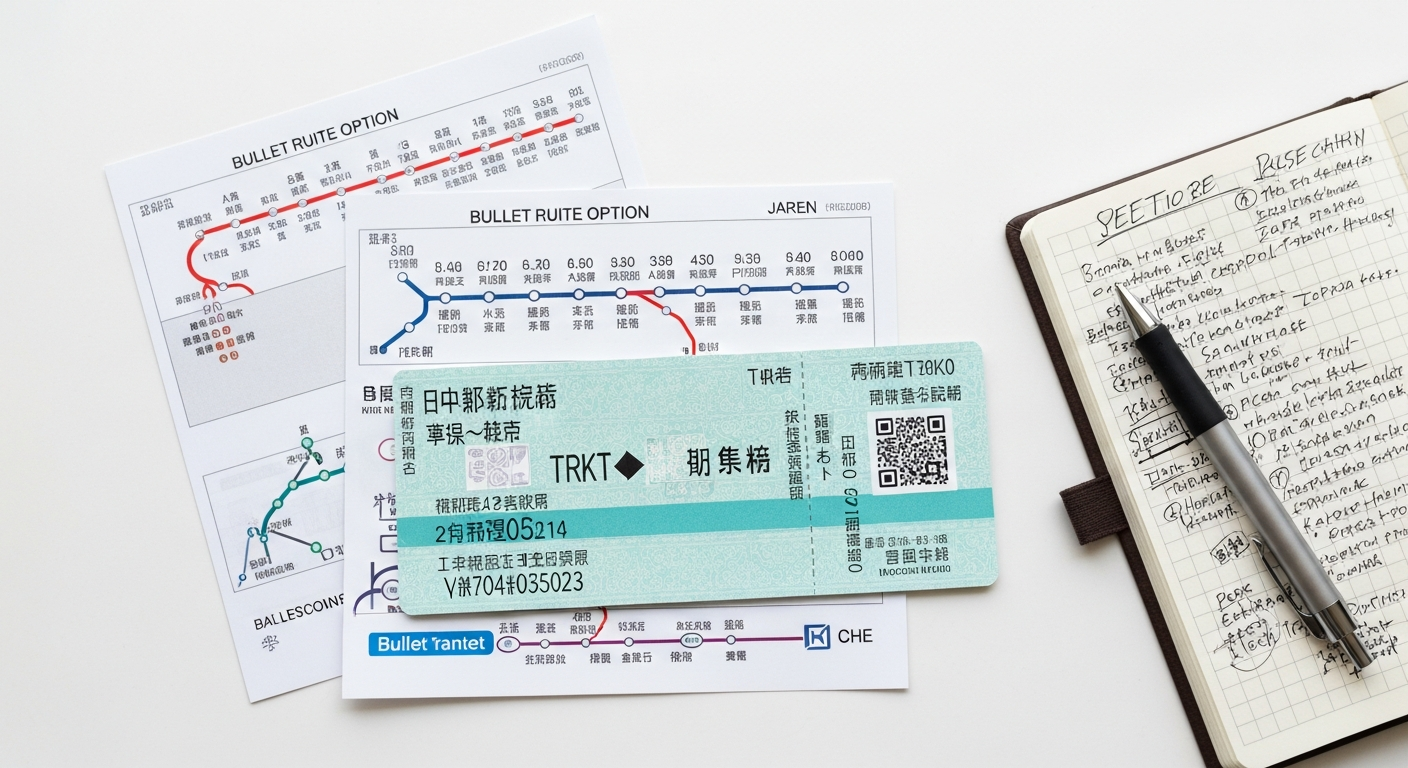
Traveling from Tokyo to Onomichi covers a significant distance, spanning roughly 700 kilometers. You have several excellent options, each offering a different balance of speed, cost, and comfort.
1. The Bullet Train (Shinkansen): Speed and Comfort
This is by far the most popular and efficient way to travel across Japan, and it’s my personal favorite for its reliability and scenic views. Your primary destination by Shinkansen will be either Fukuyama Station or Shin-Onomichi Station.
- Route 1: Tokyo → Fukuyama (Shinkansen) → Onomichi (Local Train)
This is generally the fastest and most straightforward Shinkansen route. You’ll board a Sanyo Shinkansen from Tokyo Station.
- The Ride: Take a Nozomi or Sakura Shinkansen. While Nozomi is the fastest, it’s NOT covered by the Japan Rail Pass. If you have a JR Pass, opt for a Sakura or Hikari train, which might require a transfer at Shin-Osaka, Himeji, or Okayama to a Sakura or Kodama service heading towards Hiroshima/Hakata.
- Duration:
- Nozomi: Tokyo to Fukuyama takes approximately 3 hours 40 minutes to 4 hours.
- Sakura/Hikari (with JR Pass): Depending on transfers, it can take anywhere from 4 hours 30 minutes to 5 hours 30 minutes to reach Fukuyama.
- Cost (one-way, non-JR Pass): A reserved seat from Tokyo to Fukuyama typically costs around ¥19,000 – ¥20,000.
- Transfer at Fukuyama: Once you arrive at Fukuyama Station, you’ll transfer to a local JR Sanyo Line train heading west (towards Mihara or Hiroshima). Onomichi Station is just two stops away (roughly 15-20 minutes). The local train fare is about ¥240.
- Total Travel Time: Approximately 4 hours to 6 hours, depending on the Shinkansen type and transfers.
- Local Tip: Fukuyama Station is a major hub, making the transfer smooth. Grab a bento box from Tokyo Station before you board for a delicious Shinkansen meal!
- Route 2: Tokyo → Shin-Onomichi (Shinkansen) → Onomichi (Bus/Taxi)
While Shin-Onomichi Station is technically in Onomichi, it’s served by fewer Shinkansen services and is not in the city center.
- The Ride: You’ll almost certainly need to take a Kodama Shinkansen, which is the slowest service, or transfer multiple times from a faster train (e.g., Tokyo → Shin-Osaka (Nozomi/Hikari) → Okayama (Sakura) → Shin-Onomichi (Kodama)). Kodama trains stop at every station, so the direct journey is much longer.
- Duration: A direct Kodama from Shin-Osaka to Shin-Onomichi is about 1 hour 40 minutes. From Tokyo, expect 5.5 to 7 hours, including multiple transfers.
- Cost: Similar to Fukuyama, but the longer travel time usually makes this less appealing unless you specifically want to avoid a local train transfer. Covered by JR Pass.
- Transfer at Shin-Onomichi: Shin-Onomichi Station is located uphill, about 4-5 km from the main Onomichi Station and the city center. You’ll need to take a local bus (approx. 10-15 minutes, ¥190) or a taxi (approx. 10 minutes, ¥1,000-¥1,500) down to the waterfront.
- Local Tip: Unless you have a specific reason to arrive at Shin-Onomichi (perhaps your accommodation is closer), arriving at Onomichi Station via Fukuyama is usually more convenient for reaching the main attractions and starting the Shimanami Kaido.
2. Overnight Bus: The Budget-Friendly Adventure
For the budget-conscious traveler or those who want to maximize their daylight hours, an overnight bus is a fantastic option. It saves you the cost of a night’s accommodation and a Shinkansen ticket.
- Companies: Major operators like Willer Express and JR Bus offer services from Tokyo (often from Shinjuku Bus Terminal or Tokyo Station) directly to Onomichi Station or nearby Fukuyama Station.
- Duration: Approximately 10-12 hours. You’ll typically depart in the evening (e.g., 9 PM – 11 PM) and arrive early in the morning (e.g., 7 AM – 9 AM).
- Cost: Fares vary significantly based on demand, seating class (standard, wide, premium), and booking time, ranging from ¥5,000 to ¥12,000. Booking well in advance often secures better prices.
- Comfort: While modern Japanese overnight buses are surprisingly comfortable with reclining seats, blankets, and sometimes even privacy curtains, it’s still a bus ride. If you’re a light sleeper, it might not be ideal.
- Local Tip: Arriving early in Onomichi gives you a full day to explore! Many accommodations, like U2 Cycle Hotel or Guesthouse Yadocurly, offer luggage storage even before check-in, allowing you to hit the ground running.
3. Flying: The Fastest, But With Caveats
Flying to Hiroshima Airport (HIJ) and then transferring to Onomichi can be the fastest overall travel time, though often not the cheapest.
- Flight Details: Flights depart frequently from Tokyo’s Haneda Airport (HND) to Hiroshima Airport (HIJ) on ANA or JAL. Flight time is about 1 hour 30 minutes.
- Cost: Airfares vary wildly. Expect to pay anywhere from ¥10,000 (with early booking or low-cost carriers like Spring Japan, which operates from Narita) to ¥25,000+ for a standard fare.
- Transfer from Hiroshima Airport: From Hiroshima Airport, you’ll need to take a limousine bus.
- To Onomichi Station: There’s a direct limousine bus service from Hiroshima Airport to Onomichi Station. It takes approximately 1 hour to 1 hour 15 minutes and costs around ¥1,250.
- To Fukuyama Station: Alternatively, you can take a limousine bus to Fukuyama Station (approx. 1 hour, ¥1,130) and then the local JR Sanyo Line train to Onomichi (15-20 minutes, ¥240).
- Total Travel Time: Including airport transit, check-in, flight, and bus transfer, expect 3.5 to 5 hours.
- Local Tip: Check flight times and bus connections carefully. The direct bus from HIJ to Onomichi Station is very convenient, but its schedule can be less frequent than buses to Fukuyama.