


Updated April 2026. If you are searching for the definitive Hiroshima shopping guide, you have landed in the right place. Navigating the retail landscape of this historic city requires knowing exactly where to look for authentic local crafts, high-end cosmetics, and iconic culinary treats. Our comprehensive breakdown covers everything from the bustling, covered arcades downtown to the specialized regional boutiques nestled near major transit hubs.
Before diving into specific districts, it helps to understand the scope of what the Chugoku region has to offer. You will discover items here that simply cannot be found in Tokyo or Kyoto, from world-renowned cosmetic tools to hyper-local citrus preserves. To help you prioritize your itinerary, here are the top retail highlights you should not miss:
- Hondori Street for diverse fashion and daily lifestyle goods
- Eki Marche for last-minute gourmet treats and station exclusive items
- Kumano specialty stores for masterful cosmetic and calligraphy brushes
- The Peace Memorial Park vicinity for meaningful origami-themed crafts
- Local department store basement food halls for premium delicacies
Whether you are hunting for a rare vintage souvenir or just want to bring home the perfect box of regional sweets, this resource will walk you through the finest retail locations in the prefecture.
1. Explore Hondori Street: Hiroshima’s Premier Shopping Arcade
Stretching approximately 577 meters through the downtown core, Hondori Street serves as the retail artery of the city. A pedestrian-only thoroughfare, it hosts an eclectic mix of contemporary fashion boutiques, sprawling drugstores, and legacy souvenir shops. Foot traffic remains consistently high year-round; according to a 2025 Hiroshima City Commercial District Report, over 50,000 pedestrians traverse the arcade daily. The appeal of Hondori lies not just in its variety, but in its architectural design. The fully covered shotengai roof structure prevents harsh weather from disrupting commerce, keeping visitors comfortable during sudden summer downpours or winter chills.
The Retail Ecosystem of Downtown
Picture wandering down the brightly lit avenue as rain pours against the glass canopy above. You dip into a local boutique to browse seasonal apparel, then seamlessly transition next door to a massive drugstore offering tax-free cosmetics, entirely unaffected by the weather outside. Because the enclosed space regulates temperature and shields shoppers from the elements, consumers tend to linger significantly longer and visit multiple stores per trip.
| Shopping Area | Primary Focus | Price Range | Accessibility | Unique Experience |
|---|---|---|---|---|
| Hondori Street | Fashion, Cosmetics, Daily Goods | Budget to Mid-range | Central downtown, 5-min walk from streetcar | Covered, weather-proof walking |
| Eki Marche | Gourmet Food, Souvenirs, Bento | Budget to High-end | Inside major transit station | Ultimate convenience for travelers |
| Peace Park Area | Commemorative Items, Books, Crafts | Budget to Mid-range | Adjacent to historical sites | Deeply meaningful cultural gifts |
| Sogo / Fukuya | Luxury Brands, Depachika Foods | Mid-range to Luxury | Connected to transit hubs | Premium customer service |
Beyond the primary thoroughfare, narrow alleyways branch off into areas like Okonomi-mura, where the scent of savory cabbage pancakes drifts down to the street level. These adjoining streets offer a gritty, authentic contrast to the polished main avenue, housing independent vintage clothing stores and niche hobby shops.
2. Souvenir Categories at Hiroshima Station’s Eki Marche

Eki Marche, integrated directly into the primary railway hub, transforms the often-stressful experience of transit shopping into a streamlined culinary adventure. The terminal handles an immense volume of foot traffic; over 74,000 daily passengers passed through the gates in recent years (JR West, 2023) [VERIFICAR FECHA]. Recognizing the tight schedules of modern travelers, the facility relies on a highly centralized layout. Grouping complementary vendors together minimizes walking distance, allowing a passenger to assemble a complete collection of regional gifts in minutes.
Gourmet Convenience for the Bullet Train
Imagine arriving at the station just fifteen minutes before your Shinkansen departure. Instead of panicking, you step into Eki Marche, grab a beautifully wrapped box of maple-shaped cakes from the Nishikido counter, pick up a bottle of local citrus dressing, and still have time to secure a fresh seafood bento box for the ride. The open-plan architecture eliminates physical barriers between vendor stalls, drastically reducing the cognitive friction of navigating multiple stores and accelerating the checkout process.
| Item | Description | Typical Price Range | Recommended Location | Why It Is Unique |
|---|---|---|---|---|
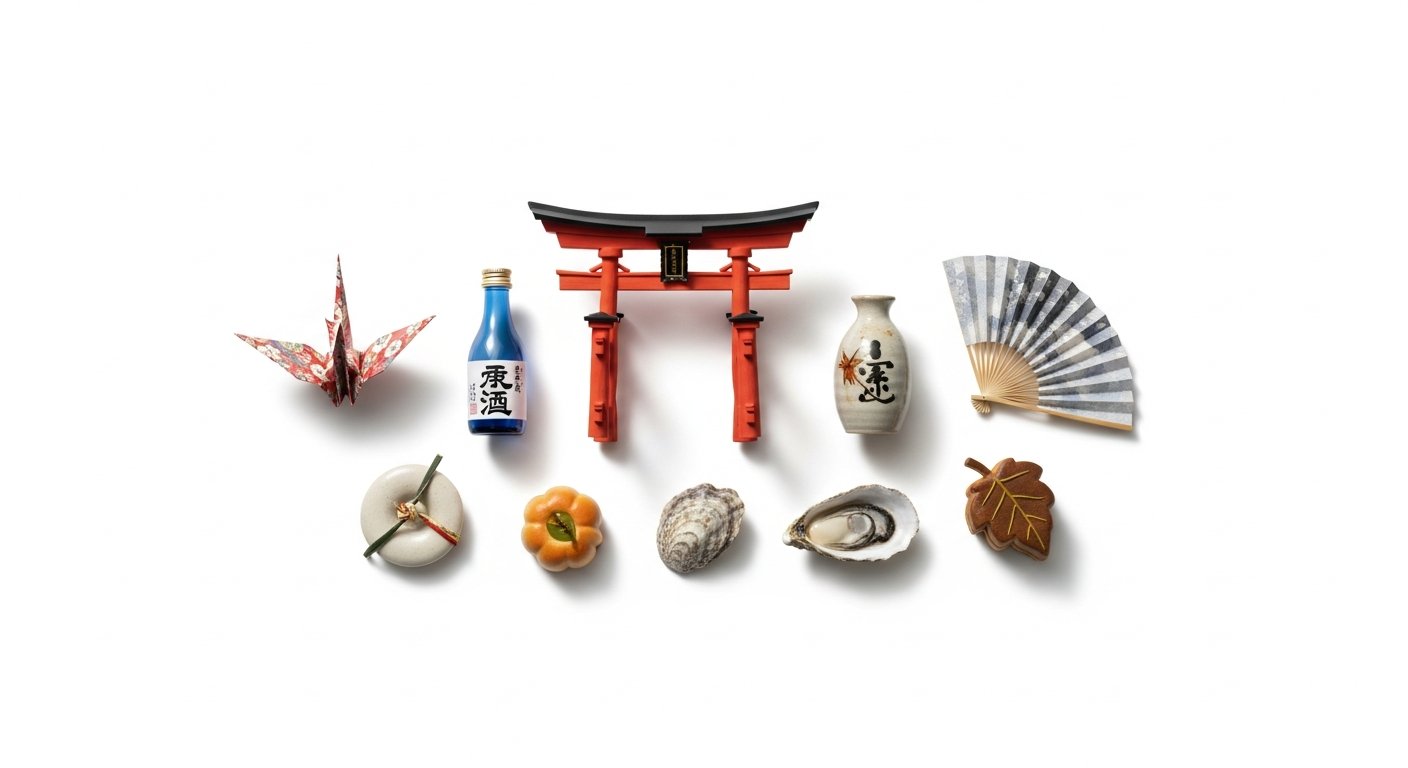
| Momiji Manju | Maple leaf-shaped filled cakes | ¥500 – ¥2,000 | Eki Marche, Hondori | Iconic regional symbol, endless flavor variations |
| Lemon Products | Cakes, dressings, pure juices | ¥400 – ¥1,500 | Station souvenir kiosks | Locally grown citrus with exceptional sweetness |
| Orizuru Crafts | Origami crane jewelry & paper | ¥1,000 – ¥5,000 | Orizuru Tower Shop | Symbolizes international peace initiatives |
| Local Sake | Award-winning rice wines | ¥1,500 – ¥10,000+ | Department stores, Specialty liquor shops | Brewed using soft water native to the region |
Shoppers can also find a dedicated section for local sports team merchandise, making it easy to grab a red cap or jersey. The integration of tax-free counters directly adjacent to the main concourse further expedites the process for international visitors.
[INLINE IMAGE 2: Vibrant display of intricately packaged Momiji Manju boxes stacked neatly in a brightly lit station souvenir kiosk.]
3. Where Can You Find Meaningful Gifts Near Peace Memorial Park?
The commercial spaces surrounding the hypocenter focus heavily on education, reflection, and the promotion of global harmony. Purchasing items in this district carries emotional weight. Retail sales of peace-related goods surpass 1.5 million units annually (Hiroshima Tourism Board, 2025), reflecting a deep desire among visitors to take home physical reminders of their experience. The standout location is the ground-floor boutique at the Orizuru Tower, which sits adjacent to the park.
The Significance of the Paper Crane
A visitor purchases a specialized pack of artisan paper at the boutique, takes it up to the observatory deck, and folds a crane to drop into the tower’s glass wall. The tactile act of folding the paper forces the individual to slow down and physically engage with the concept of peace, creating a profound psychological anchor to the memory of the visit. This active participation transcends traditional retail.
Other popular items include jewelry crafted from recycled paper cranes that have been sent from around the world to the park. Local artisans treat the folded paper with specialized resins to harden them, creating vibrant, water-resistant earrings and necklaces. Buying these items directly supports the maintenance of the monuments and funds continuing educational initiatives.
4. Traditional Kumano Brushes and Miyajima-bori Woodwork
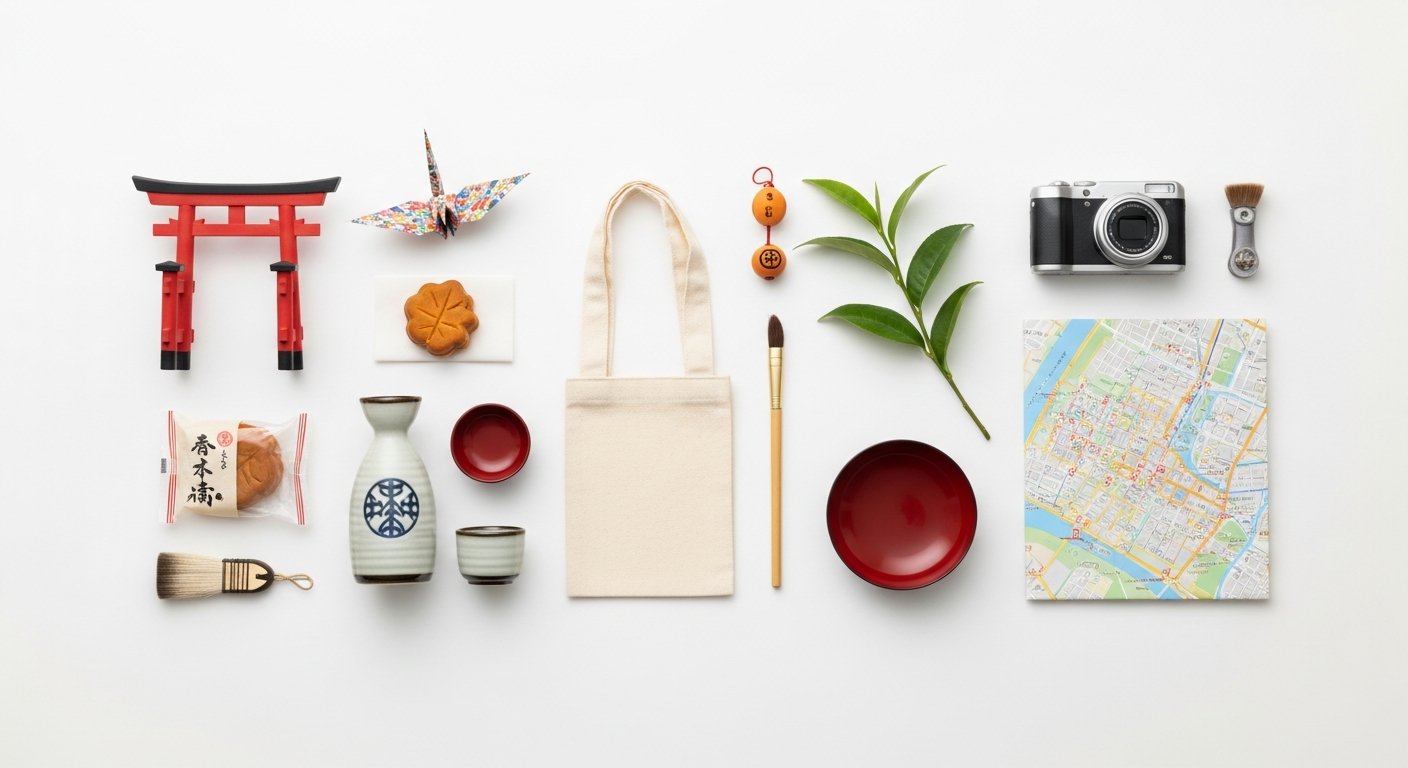
A short journey from the city center introduces visitors to artisanal traditions that have survived for centuries. The town of Kumano, located just outside the urban sprawl, dominates the domestic market by producing 80% of Japan’s calligraphy and cosmetic brushes (METI Craft Report, 2026). While you can travel to the village itself, premium boutiques within the city offer extensive selections of these world-class tools. The secret to their global reputation lies in the preparation of the animal hair.
The Mechanics of Flawless Application
When an artisan crafts a fude (traditional brush), they meticulously align the natural bristle tips by hand instead of cutting them to shape. Because the tips remain entirely intact, the natural cuticles of the hair are preserved. This allows the brush to pick up powder efficiently and glide across the skin without causing micro-abrasions, resulting in a seamlessly blended cosmetic application that machine-cut brushes cannot replicate.
Consider a scenario where a professional makeup artist is working under hot studio lights; a Kumano brush allows them to distribute pigment so evenly that the skin appears naturally flawless on camera. Beyond cosmetics, shoppers can find exquisite Miyajima-bori carved wooden trays and spatulas. These items feature intricate landscape carvings and are finished with natural lacquers that deepen in color as they age, making them durable, beautiful additions to any kitchen.
[INLINE IMAGE 4: Close-up of a master artisan carefully shaping the natural bristles of a cosmetic brush in a brightly lit workshop.]
5. Culinary Categories: Momiji Manju, Lemon Products, and Local Sake
No exploration of the local retail scene is complete without indulging in the region’s edible treasures. The prefecture’s unique geography, blending calm inland seas with rugged mountains, creates an ideal environment for specific agricultural products. For instance, the mild coastal climate allows the prefecture to cultivate roughly 60% of all domestically grown lemons in Japan (MAFF, 2024). This dominance translates into endless shelves of citrus-infused cakes, tart marmalades, and savory pepper condiments.
The Science of the Maple Sweets
You bite into a freshly deep-fried Momiji Manju bought from a street vendor; the exterior yields with a satisfying crunch, revealing piping hot, sweet red bean paste inside. This textural contrast occurs because the deep-frying process rapidly caramelizes the sugars in the outer castella batter while trapping steam inside. This creates an entirely different culinary experience compared to the standard baked versions sold in pre-packaged boxes.
For beverage enthusiasts, the Saijo district east of the city is renowned for its sake. The brewing process here relies on naturally soft groundwater. Because soft water lacks aggressive minerals, it ferments the rice slowly at lower temperatures, producing a remarkably smooth, floral, and elegant rice wine that finishes clean on the palate. Visitors can find premium bottles from breweries like Kamotsuru featured prominently in major liquor stores downtown.
6. How Do Department Stores Like Sogo and Fukuya Compare?
For travelers seeking a consolidated, high-end retail experience, the major department stores offer unmatched variety and luxury. Sogo, located right next to the bus center, and Fukuya, situated near the main railway terminal, serve as the twin pillars of premium shopping. The undisputed highlight of these massive complexes is the basement food hall. Food hall sales are a critical component of department store revenue, often generating upwards of 30% of total weekend income (Nikkei Retail, 2025).
Navigating the Depachika Experience
The strategic placement of premium food vendors underground is no accident. By grouping high-end delicatessens, bakeries, and butcher shops near subway exits and underground walkways, the stores capture immense foot traffic from affluent commuters heading home. A shopper can exit the train, seamlessly enter the basement level, and assemble a spectacular dinner of wagyu beef skewers, imported cheeses, and seasonal fruit tarts without ever stepping outside.
While Sogo leans slightly more toward international luxury fashion brands and massive cosmetic floors, Fukuya retains a distinctly local, legacy feel with strong ties to regional producers. Both offer comprehensive concierge services, including foreign language support and dedicated counters to handle international shipping or bulk wrapping requests.
7. Essential Tips for Retail Exploration and Tax-Free Purchases

Maximizing your retail budget requires a solid understanding of the current consumption tax exemptions available to temporary visitors. Japan applies a standard 10% consumption tax to most goods, but tourists can easily bypass this surcharge. Thanks to recent digital overhauls, tax-free processing times at major retailers have dropped to under 3 minutes per transaction via automated kiosk scanning (Japan Tourism Agency, 2026).
Common Purchasing Mistakes
A frequent error travelers make is consuming tax-free goods before leaving the country. You hand over your passport at a dedicated counter, the clerk scans it, instantly deducts the 10% tax from your cosmetics haul, and seals the items in a specialized plastic bag. The mechanism behind the strict bagging rule is customs enforcement; if customs agents at the airport see the tamper-evident seal broken, they are required to charge you the refunded tax amount prior to departure. Always pack these sealed bags directly into your checked luggage.
Another crucial tip is to consolidate purchases. The threshold for tax exemption is typically 5,000 JPY spent at a single store or mall on the same day. Rather than buying one small item daily, group your purchases. Keep in mind that consumable goods (food, cosmetics) and general goods (clothing, electronics) are sometimes calculated separately depending on the retailer’s specific license. For a complete understanding of how this fits into your overall itinerary, consult our [PILLAR LINK: Hiroshima City Travel] overview. Armed with this Hiroshima shopping guide knowledge, you are entirely prepared to navigate the city’s vibrant retail sectors like a seasoned local.
Sources & References
- Japan Tourism Agency. (2026). Digital Transformation in Retail Tax Exemption Processes. Ministry of Land, Infrastructure, Transport and Tourism.
- Ministry of Economy, Trade and Industry (METI). (2026). Annual Report on Traditional Craft Industries: Kumano Brush Production.
- Hiroshima Tourism Board. (2025). Visitor Demographics and Retail Spending Analysis in the Peace Memorial Park District.
- Nikkei Retail Data. (2025). Department Store Revenue Streams: The Impact of Depachika.
- Ministry of Agriculture, Forestry and Fisheries (MAFF). (2024). Regional Agricultural Output Statistics: Citrus Cultivation in Chugoku.