Discovering Fudo-in Temple: Hiroshima’s Miraculous National Treasure and Secret Zen Gardens
While most travelers flock to the iconic floating torii gate of Miyajima or the sobering memorials of the Peace Memorial Park, those who venture just a few stops north of Hiroshima’s city center are rewarded with a rare encounter with antiquity. Fudo-in Temple (不動院) is not merely a place of worship; it is a survivor. As one of the very few structures in Hiroshima to remain standing after the 1945 atomic bombing, its towering wooden halls offer a tangible link to the Muromachi period (1336–1573), providing a spiritual depth that is hard to find in the reconstructed city center.
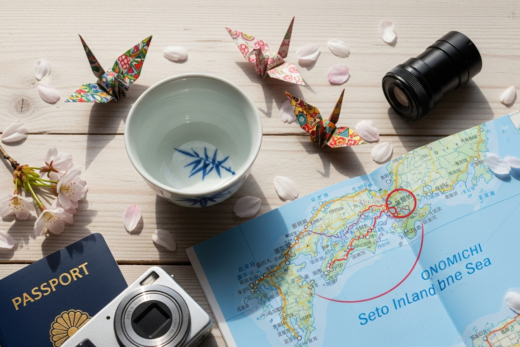
Located in a quiet residential pocket of Hiroshima’s Higashi Ward, Fudo-in serves as a serene gateway for travelers exploring the wider Setouchi region, including the nearby seaside charm of Onomichi. Here, the air is thick with the scent of ancient cedar and incense, and the meticulously maintained gardens offer a masterclass in Japanese landscape design. Whether you are a history buff, an architecture enthusiast, or a soul seeking a moment of stillness amidst a busy Japan itinerary, Fudo-in provides a profound, off-the-beaten-path experience that captures the resilient spirit of Hiroshima.
—
1. The Living History: A Temple That Defied the Atomic Age
To understand Fudo-in, one must understand its geography. On August 6, 1945, the temple was located approximately 3.9 kilometers from the hypocenter of the atomic blast. While the city center was leveled, Fudo-in was shielded by the natural topography of the Ushita mountains. Though the blast blew out the temple’s roof tiles and shattered its windows, the massive timber frames held firm. Today, it stands as a designated “Hibaku” (A-bombed) building, yet it is so much more than a relic of war.
The temple’s roots reach back over 600 years. Its crowning jewel, the Kondo (Main Hall), is an official National Treasure of Japan. Interestingly, this hall wasn’t originally built here; it was relocated from Yamaguchi in the 16th century by the diplomat-monk Ankokuji Ekei. The structure is built in the *Zenshu-yo* (Zen style), characterized by its double-tiered roof and intricate wooden joinery that requires no nails. Stepping onto the temple grounds feels like stepping back into the Muromachi era, a time when samurai and monks collaborated to create some of Japan’s most enduring aesthetic traditions.
2. Architectural Marvels: Navigating the Grounds
As you enter the Fudo-in complex, the first thing that strikes you is the sheer scale of the timber. The **Niomon Gate**, an imposing two-story structure, houses two fierce *Nio* (Guardian Kings) carved from wood. These statues, with their bulging muscles and intense expressions, have stood watch for centuries, protecting the inner sanctum from evil spirits.
The **Kondo (Main Hall)** is the spiritual and architectural heart of the site. It is the largest surviving structure of its kind from the Muromachi period in the entire country. Inside, the dim light reveals a golden statue of Yakushi Nyorai (the Medicine Buddha), flanked by his attendants. The ceiling is a work of art in itself, featuring a massive dragon painting that, according to local legend, protects the temple from fire.
Don’t miss the **Bell Tower** (Shoro), which is also a designated Important Cultural Property. Its graceful, curved roof and weathered wood tell the story of centuries of seasonal changes. Unlike the crowded temples of Kyoto, you can often stand here in complete silence, hearing only the rustle of the wind through the surrounding maple trees.
3. The Historic Gardens: A Sanctuary of Seasonal Beauty
While the buildings are the main draw for historians, the gardens of Fudo-in are the soul of the experience. The temple grounds are designed to follow the natural contours of the hillside, creating a multi-layered landscape that changes dramatically with the seasons.
The garden design incorporates “shakkei” or borrowed scenery, using the surrounding forested hills to make the grounds feel vast and secluded. Walking the stone paths, you will encounter small Jizo statues—protectors of travelers—tucked away in mossy corners, often wearing hand-knitted red bibs left by local devotees.
4. Practical Logistics: Getting to Fudo-in from Hiroshima and Onomichi
Fudo-in is surprisingly easy to access, making it a perfect half-day trip or a stopping point as you move through the Setouchi region.
From Hiroshima Station:
The most efficient way to reach the temple is via the **Astram Line**, Hiroshima’s sleek automated guideway transit system.
1. Take the Astram Line from **Hondori Station** (near the Peace Park) or **Shin-Hakushima Station** (connected to the JR lines).
2. Get off at **Fudo-in-mae Station**.
3. The temple entrance is a mere 2-minute walk from the station exit.
From Onomichi:
If you are staying in the picturesque hilltop town of Onomichi (highly recommended for its 2026 travel season), you can easily reach Fudo-in as a day trip.
1. Take the JR Sanyo Line or the Shinkansen from Onomichi/Shin-Onomichi to Hiroshima Station (approx. 45–90 minutes).
2. Transfer to the Astram Line as noted above.
Visitor Information:
5. Local Recommendations: Where to Eat and What to See Nearby
After your spiritual retreat at Fudo-in, you’ll likely be ready to refuel. While the area immediately surrounding the temple is residential, there are several local gems nearby.
6. Cultural Context: Etiquette for Your Visit
Visiting a temple in Japan is an immersive experience, and knowing the basics of etiquette will help you feel more comfortable and show respect to the local community.
—
FAQ: Planning Your Visit to Fudo-in
1. Is Fudo-in Temple crowded with tourists?
Unlike the Peace Memorial Park or Miyajima, Fudo-in remains a “hidden gem.” You will mostly encounter local residents and a few savvy travelers. It is one of the best places in Hiroshima to experience quietude and authentic Japanese spirituality without the crowds.
2. How much time should I spend at Fudo-in?
Most visitors find that 45 to 90 minutes is sufficient to explore the halls, walk the garden paths, and take photos. If you are a serious photographer or someone who enjoys meditation, you might want to allow two hours.
3. Can I visit Fudo-in on a rainy day?
Actually, Fudo-in is exceptionally beautiful in the rain. The smell of the ancient wood becomes more intense, and the moss in the gardens turns a vivid, glowing green. The sound of rain dripping from the heavy eaves of the National Treasure hall is incredibly peaceful.
4. Is it worth visiting if I am already going to Kyoto?
Yes. While Kyoto has more temples, Fudo-in is unique because it represents a specific style of Muromachi architecture that is rare in its original form. Additionally, its history as an A-bomb survivor adds a layer of emotional and historical depth that you won’t find in Kyoto.
5. Is the temple family-friendly?
Yes, children are welcome. The wide-open spaces are great for kids to walk around, though they should be supervised to ensure they don’t climb on the historic structures or disturb people praying. The Astram Line ride to get there is also quite fun for kids as it offers great views of the city.
—
Conclusion: Trip Planning Tips for 2026
As you plan your journey through the Setouchi region in 2026, Fudo-in Temple stands as a vital bridge between Japan’s ancient past and its resilient present. It offers a rare opportunity to see a National Treasure in a setting that feels personal and unhurried.
To make the most of your trip, consider these final planning tips:
Fudo-in is more than just a tourist stop; it is a testament to the fact that beauty and tradition can survive even the most harrowing of times. By including it in your Hiroshima itinerary, you aren’t just seeing a building—you are witnessing the enduring heart of Japan.