Updated March 2026.
Welcome to Hiroshima, a city that stands as a beacon of peace, resilience, and vibrant culture. Far more than its profound history, Hiroshima today is a bustling metropolis offering an unforgettable blend of solemn reflection, exquisite gardens, culinary delights, and warm hospitality. If you’re planning a trip to this incredible destination, this comprehensive Hiroshima City travel guide is your ultimate resource for navigating its streets, understanding its spirit, and experiencing its myriad wonders in 2026. Prepare to delve into a city that not only remembers its past with dignity but actively champions a future of hope and cultural richness, making it an essential stop on any Japan itinerary.
The Resilience and Renewal of Hiroshima
Hiroshima’s narrative is one of profound transformation. While its name is forever linked to the devastating atomic bombing of 1945, the city has risen from the ashes with an inspiring commitment to peace and a remarkable zest for life. Visiting Hiroshima means engaging with this powerful history firsthand, but also discovering a dynamic modern city thriving with parks, museums, culinary innovation, and a vibrant Hiroshima art scene. For instance, the Hiroshima City Museum of Contemporary Art, perched on Hijiyama Hill, showcases cutting-edge works and solidifies the city’s status as a cultural hub. The spirit of its people, unwavering in their dedication to a peaceful world, permeates every corner, offering visitors a unique perspective on human resilience and hope.
The city’s rapid reconstruction after 1945 is a testament to its inhabitants’ determination. Today, Hiroshima is a meticulously planned city boasting wide boulevards, a sophisticated tram system, and lush green spaces. The Peace Memorial Park, while central to its identity, is complemented by ancient castles, tranquil gardens, and bustling shopping districts. Engaging with the city’s story is an educational and deeply moving experience, often cited by visitors as one of the most impactful parts of their Japan journey. The city’s unwavering message of peace resonates globally, inviting introspection and understanding. Prepare to leave not only enlightened but profoundly moved by Hiroshima’s unique character.
Practical Tip: Before diving into the historical sites, take a moment to observe the modern city. Notice the balance between solemn memorials and everyday life – the school children laughing, the business people rushing. This juxtaposition offers a fuller understanding of Hiroshima’s present-day identity.
What Are the Must-See Attractions in Hiroshima City?
No trip would be complete without detailing its iconic attractions. While the Peace Memorial Park rightly takes center stage, the city offers a diverse range of sights that cater to every interest, from ancient history to serene nature and bustling urban life.
Hiroshima Peace Memorial Park & Museum
This is the heart of Hiroshima’s message to the world. The Peace Memorial Park encompasses several key monuments:
- Atomic Bomb Dome (Genbaku Dome): The skeletal remains of the former Prefectural Industrial Promotion Hall, it was the only structure near the hypocenter to remain partially standing, serving as a stark reminder of the bombing’s horror.
- Peace Memorial Museum: A powerfully curated museum detailing the events of August 6, 1945, and the aftermath. Its exhibits, including personal artifacts, survivor testimonies, and a comprehensive historical overview, are incredibly impactful. Allow at least 2-3 hours for a thorough visit.
- Cenotaph for the A-Bomb Victims: An arch-shaped monument holding a register of all known victims, inscribed with the words, “Let all the souls here rest in peace, for we shall not repeat the evil.”
- Children’s Peace Monument: Inspired by the story of Sadako Sasaki, adorned with thousands of colorful paper cranes folded by children worldwide.
These sites offer a profound and essential understanding of Hiroshima’s past and its enduring commitment to peace.
Hiroshima Castle
Originally constructed in the 1590s, Hiroshima Castle was painstakingly rebuilt after its destruction in 1945. Today, the main keep houses a museum detailing Hiroshima’s history prior to the bombing, samurai culture, and the castle’s reconstruction. Surrounded by a moated park, it’s a popular spot for cherry blossom viewing in spring. Ascend to the top floor for panoramic views of the city.
Shukkei-en Garden
Meaning “shrunken scenery garden,” Shukkei-en Garden is a traditional Japanese garden dating back to 1620. Featuring miniature landscapes of mountains, valleys, and forests, it’s an oasis of tranquility amidst the urban sprawl. Various tea houses dot the landscape, offering a perfect spot for reflection. Stroll along its winding paths, cross its picturesque bridges, and feed the carp in its central pond for a truly serene experience.
Hondori Shopping Street
For a taste of modern Hiroshima, head to Hondori Shopping Street. This lively, covered shopping arcade stretches for several blocks, offering everything from fashion boutiques and souvenir shops to cafes, restaurants, and game centers. It’s a great place to people-watch, grab a casual meal, or pick up some local gifts.
Actionable Tip: Purchase the Hiroshima Tourist Pass (Hiroshima Electric Railway One-Day Pass) for convenient access to most of these city attractions via the extensive tram network. It covers unlimited rides on trams and select bus routes.
[INLINE IMAGE 2: Hiroshima Peace Memorial Park with the Atomic Bomb Dome in the background]
Types of Day Trips from Hiroshima and When to Take Them
While the city itself holds immense appeal, its strategic location makes it an ideal base for exploring some of Japan’s most celebrated sites. Enhancing your experience, these day trips offer diverse historical, cultural, and natural beauty.
Miyajima Island (Itsukushima Shrine)
Often ranked among Japan’s “Three Great Views,” Miyajima Island is an absolute must-visit. Just a short ferry ride from Hiroshima (covered by JR Pass from Miyajimaguchi Station), the island is home to the UNESCO World Heritage site of Itsukushima Shrine. Famous for its “floating” torii gate, which appears to float on the water at high tide, the shrine complex is a breathtaking example of traditional Japanese architecture.
- Mount Misen: For stunning panoramic views, take the ropeway up Mount Misen. There are hiking trails and temples at the summit, offering spiritual insights and spectacular scenery.
- Wild Deer: Friendly deer roam freely on the island, adding to its charm (but be mindful of your belongings, as they can be quite curious!).
- Local Delicacies: Don’t leave without trying grilled oysters (a Hiroshima specialty) and Momiji Manju (maple leaf-shaped cakes).
Allow a full day for Miyajima to truly soak in its atmosphere.
Kure City and the Yamato Museum
A short train ride east of Hiroshima, Kure was once a major naval port. Today, it houses the fascinating Yamato Museum (Kure Maritime Museum), dedicated to Japan’s naval history and shipbuilding. The museum’s centerpiece is a detailed 1/10 scale model of the battleship Yamato, alongside exhibits on naval technology and the city’s industrial heritage. Adjacent to it is the Japan Maritime Self-Defense Force Kure Museum, offering a unique opportunity to walk through a real submarine.
Okunoshima (Rabbit Island) and Family Excursions
For something completely different, head to Okunoshima, affectionately known as Rabbit Island. This small island is home to hundreds of wild, friendly rabbits, making it a unique and heartwarming destination, particularly popular with families and animal lovers. Reaching it involves a train and ferry combination, but the experience of being surrounded by eager rabbits is unforgettable. The island also has a darker history as a former poison gas production site, with a museum dedicated to this period. If you are staying closer to the city center, families will also love the Hiroshima Children’s Museum with its interactive science exhibits and planetarium, or the Asa Zoological Park.
Planning Tip: Consider purchasing a JR Sanyo-San’in Area Pass or a regional JR Pass if you plan on visiting Miyajima and Kure, as it can offer significant savings on transportation, especially if you’re traveling further afield in the region.
How Can You Experience the Best Culinary Delights in Hiroshima?

Beyond its historical significance, the region is a vibrant culinary destination, renowned for unique regional specialties that tantalize the taste buds. A true traveler must emphasize the importance of taking the time to savor Hiroshima’s culinary delights. Prepare your palate for an adventure!
Hiroshima-style Okonomiyaki
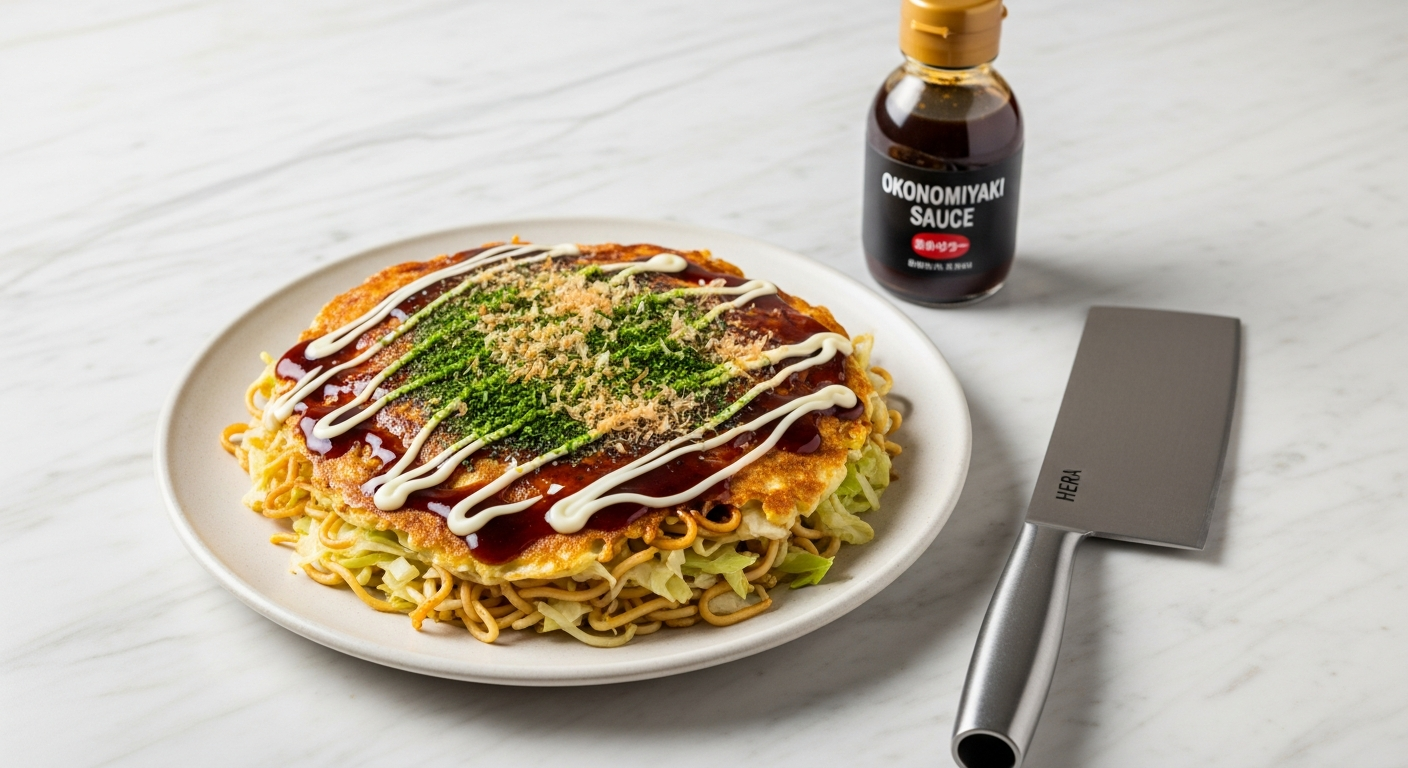
This is arguably the most famous local dish, and it’s distinct from its Osaka counterpart. While Osaka-style okonomiyaki mixes all ingredients, Hiroshima-style is layered. Typically, it starts with a thin crêpe, piled high with cabbage, bean sprouts, pork, and often noodles (soba or udon). It’s then topped with egg and a generous drizzle of savory okonomiyaki sauce.
- Where to Try: Head to Okonomimura (“Okonomiyaki Village”), a multi-story building dedicated entirely to okonomiyaki stalls, each with its own unique twist. Nagataya, located near the Peace Park, is also a highly-rated option.
- Experience: Sit at the counter and watch the chefs skillfully prepare your meal on a large griddle (teppan). It’s a culinary show in itself!
Don’t be shy to try a few different stalls to find your favorite – each chef has their secret technique.
Hiroshima Oysters
Hiroshima Prefecture is Japan’s largest producer of oysters, particularly famous during the cooler months (autumn through spring). These plump, succulent oysters are renowned for their rich flavor.
- How to Enjoy: You can find them served in various ways: raw with a squeeze of lemon, grilled with ponzu sauce, deep-fried (kaki fry), in hot pots, or even in oyster okonomiyaki.
- Where to Find Them: Many restaurants in the city center and on Miyajima Island specialize in oyster dishes. Look for dedicated oyster bars for the freshest experience.
Momiji Manju
A delightful local sweet, Momiji Manju are small, maple leaf-shaped cakes typically filled with sweet adzuki bean paste. You’ll find them everywhere, from souvenir shops to dedicated bakeries. Modern variations include fillings like custard, green tea, chocolate, and even cheese. They make excellent souvenirs and a perfect accompaniment to green tea.
Local Sake and Craft Beer
The Saijo district in Higashihiroshima, just a short train ride from the city center, is one of Japan’s most famous sake brewing regions. Many restaurants will offer a selection of local sake. For beer enthusiasts, there is also a growing craft beer scene, with several breweries and taprooms offering unique local brews.
Actionable Tip: Be adventurous! Ask locals for their favorite okonomiyaki spot. Often, the best experiences are found in smaller, unassuming establishments recommended by residents.
[INLINE IMAGE 4: Hiroshima-style Okonomiyaki being cooked on a teppan grill]
Transportation and Accommodation Options in Hiroshima
Getting to and around the area, as well as finding the perfect place to stay, is remarkably straightforward thanks to Japan’s efficient infrastructure. This section will help you plan your logistics seamlessly.
Getting to Hiroshima
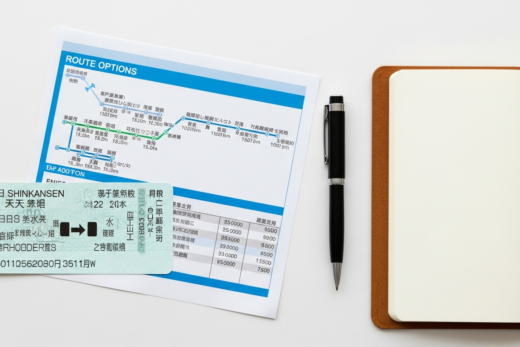
- Shinkansen (Bullet Train): The most common way to reach the city is via the Tokaido-Sanyo Shinkansen. It’s approximately 4 hours from Tokyo, 1.5 hours from Kyoto, and just over an hour from Shin-Osaka. The main station is a major hub, well-connected to local transport.
- Flights: Hiroshima Airport (HIJ) serves domestic and some international routes. A limousine bus connects the airport to the main station (approx. 50 minutes).
Getting Around the City
The local public transport network is excellent:
- Trams (Hiroshima Electric Railway): Often called “Hiroden,” these green trams are the city’s iconic mode of transport. They cover most major tourist attractions, including the Peace Park and the main station. Fares are fixed for most inner-city routes (around ¥190 per ride).
- Buses: An extensive bus network complements the trams, reaching areas not served by tram lines.
- JR Lines: The local JR Sanyo Line runs through the city, useful for reaching Miyajimaguchi Station for the ferry to Miyajima.
- IC Cards: Use an IC card (Suica, Pasmo, Icoca, etc.) for cashless travel on trams and buses – simply tap on and off.
Cost-Saving Tip: Consider the Tourist Pass for unlimited tram and selected bus travel, especially if you plan on visiting many city attractions in a day or two. If your itinerary includes Miyajima and further JR travel, a JR Pass might be more economical.
Accommodation Options
You will find a wide range of accommodation options, from luxury hotels to budget-friendly hostels.
- Station Area: Ideal for convenience, especially if you’re arriving by Shinkansen or planning day trips. Many business hotels and international chains are located here.
- Hatchobori/Hondori Area: A vibrant district near the main shopping street, offering easy access to restaurants, entertainment, and a lively atmosphere. Good tram connections to the Peace Park.
- Peace Memorial Park Area: While fewer hotels are directly adjacent, there are options within walking distance, appealing to those who wish to spend significant time reflecting at the park.
Practical Step: Book your accommodation well in advance, especially during peak seasons like cherry blossom (late March-early April), Golden Week (early May), and autumn foliage (late October-November). Prices can fluctuate significantly.
What Are the Practical Planning Steps for Your Hiroshima Adventure?
To ensure your trip is as smooth and enjoyable as possible, a few practical considerations are essential. Here is actionable advice for a stress-free visit.
Best Time to Visit
- Spring (March-May): Pleasant temperatures, and late March to early April sees the city adorned with cherry blossoms. It’s a popular time, so expect crowds.
- Autumn (October-November): Mild weather and beautiful autumn foliage, particularly in gardens and on Miyajima. An excellent time for comfortable sightseeing.
- Summer (June-August): Hot and humid, with a rainy season in June. However, summer also brings festivals.
- Winter (December-February): Cooler temperatures, but generally dry and often sunny. A good time to enjoy oysters and avoid the largest crowds.
Travel Etiquette and Cultural Notes
- Respect at Memorial Sites: Maintain a quiet and respectful demeanor, especially at the Peace Memorial Park and Museum. Photography is generally allowed but be mindful and avoid flash where prohibited.
- Shoes: You’ll likely need to remove your shoes when entering some traditional restaurants, ryokans (Japanese inns), and certain attractions like the Castle. Slip-on shoes are convenient.
- Trash: Japan has few public trash cans. Carry a small bag for your trash until you find one or return to your accommodation.
- Tipping: Tipping is not customary in Japan and can sometimes be seen as rude. Excellent service is standard.
Essential Apps and Connectivity
- Google Maps: Indispensable for navigating public transport routes, walking directions, and finding points of interest.
- Japan Official Travel App: Offers comprehensive travel information, including route search, tourist spots, and emergency contacts.
- Translation Apps: Google Translate or DeepL can be very helpful for communicating, though many tourist-facing staff will speak some English.
- Wi-Fi: Free Wi-Fi is available at many hotels, cafes, and major tourist spots. For consistent connectivity, consider renting a pocket Wi-Fi device or purchasing a local SIM card.
Budgeting Your Trip
The region can cater to various budgets.
- Accommodation: Expect ¥5,000-¥10,000 for a comfortable business hotel, ¥15,000+ for mid-range to luxury.
- Food: A casual meal like okonomiyaki can be ¥800-¥1,500. Mid-range restaurants might be ¥2,000-¥4,000 per person.
- Transportation: Local tram/bus fares are around ¥190. Day passes can save money if you’re doing a lot of sightseeing.
- Attractions: Many attractions like the Peace Memorial Park are free, while the museum and castle have modest entrance fees (¥200-¥500).
Actionable Advice: Learn a few basic Japanese phrases like “Arigato” (thank you), “Sumimasen” (excuse me/sorry), and “Konnichiwa” (hello). Locals appreciate the effort, and it can enhance your interactions.
The Enduring Spirit of Hiroshima
Hiroshima is a destination that profoundly touches the soul. It’s a place where history’s most somber lessons coalesce with an indomitable spirit of hope, renewal, and a vibrant future. This guide has aimed to equip you with the knowledge and inspiration to explore its poignant memorials, discover its serene gardens, savor its unique culinary heritage, and venture into its captivating surroundings. From the quiet reflection at the Peace Memorial Park to the bustling energy of Hondori Street and the timeless beauty of Miyajima, the region offers a rich tapestry of experiences that will leave an indelible mark on your heart and mind. Don’t just visit; immerse yourself in its powerful narrative, contribute to its message of peace, and allow its resilience to inspire your own journey. Start planning your unforgettable adventure for 2026 today – a city eagerly awaiting to share its story with you.
Frequently Asked Questions About Visiting Hiroshima
Q: How many days should I allocate for visiting the city and Miyajima?
A: We recommend a minimum of 2 full days. One day for the main attractions (Peace Park, Castle, Shukkei-en) and another full day for a day trip to Miyajima Island. If you wish to explore more local areas or take another day trip, consider 3 days.
Q: Is it safe for solo travelers?
A: Absolutely. Japan is renowned for its exceptional safety. Solo travelers, including women, can feel very secure exploring at any time of day or night. Basic precautions, as in any city, are always advisable.
Q: Can I visit the Atomic Bomb Dome and Peace Memorial Museum with young children?
A: While the Peace Memorial Park itself is open to all, the Peace Memorial Museum contains graphic exhibits that can be very intense for young children. Parents should exercise discretion. Many families opt to visit the park’s outdoor monuments and defer the museum until their children are older or more prepared for the content.
Q: What is the best way to get from the main station to the Peace Memorial Park?
A: The most convenient way is by tram. Take tram line 2 (Miyajima-guchi direction) or line 6 (Eba direction) and alight at “Genbaku Dome-mae” (Atomic Bomb Dome) stop, which is directly adjacent to the park. The ride takes about 15-20 minutes.
Q: Are there vegetarian or vegan food options available?
A: While traditional Japanese cuisine often features dashi (fish stock), the area is becoming increasingly accommodating to vegetarian and vegan diets. Some okonomiyaki restaurants offer vegetarian versions (without pork or seafood). Look for specialty vegetarian/vegan restaurants, use apps like HappyCow, or communicate your dietary needs clearly (e.g., “niku nashi” for no meat, “sakana nashi” for no fish).
Sources & References
- Dive! Hiroshima – Official Tourism Website
- Hiroshima Peace Memorial Museum Official Site
- JNTO: Hiroshima Prefecture Travel Guide
Reviewed by Kenji Nakamura, Local Tourism Consultant, Hiroshima Prefecture — Last reviewed: April 25, 2026