Illuminating the City of Peace: The Ultimate Hiroshima Night View and Rooftop Bar Guide
As the sun dips below the horizon of the Seto Inland Sea, painting the sky in bruised purples and fiery oranges, Hiroshima undergoes a breathtaking transformation. Known globally for its history and resilience, modern Hiroshima has evolved into a sophisticated urban center where the neon glow of the Nagarekawa entertainment district meets the serene, shimmering waters of its six rivers. For travelers navigating the Setouchi region—perhaps stopping over before cycling the Shimanami Kaido in Onomichi or exploring the sacred shrines of Miyajima—the city’s nighttime skyline offers a perspective that is both poignant and exhilarating.
Far from the somber tones of the daytime historical tours, Hiroshima at night is a celebration of life and light. From the chic, breeze-swept terraces of rooftop bars overlooking the Atomic Bomb Dome to the panoramic vistas atop Mount Futaba, the city provides a diverse array of vantage points. Whether you are seeking a romantic evening with a craft gin cocktail in hand or a quiet moment of reflection looking out over the twinkling lights of the harbor, this guide explores the very best of Hiroshima’s night views. Discover where to find the most exclusive cocktails, how to navigate the local nightlife etiquette, and how to perfectly integrate a night of high-altitude glamour into your 2026 Japan itinerary.
—
1. Scaling the Skyline: The Best Rooftop Bars in Hiroshima
The rise of rooftop culture in Hiroshima has skyrocketed in recent years, offering visitors a chance to see the city from a “birds-eye” perspective while enjoying world-class mixology. Unlike the cramped izakayas of the ground level, these elevated spaces offer room to breathe and a sense of scale.
ROOFTOP Bar “Kei” (The Knot Hiroshima)
Arguably the trendiest spot in the city, **Kei** is located on the 14th floor of The Knot Hiroshima. This bar seamlessly blends indoor and outdoor seating, featuring a stunning open-air terrace with fire pits that add a cozy glow during autumn and spring evenings. The view directly overlooks Peace Boulevard (Heiwa-odori), which becomes a river of light during the winter “Dreamination” festival.
Bar 14 (Hilton Hiroshima)
For those seeking a more polished, high-end experience, **Bar 14** at the Hilton Hiroshima is a must-visit. Situated in the city center, it offers a panoramic view of the urban sprawl extending toward the mountains. The bar focuses on “storytelling cocktails” that incorporate local ingredients like Sakurao Gin and Hiroshima sake.
The New York Café (Oriental Hotel Hiroshima)
While not a traditional “open-air” rooftop, the **New York Café** on the 23rd floor offers floor-to-ceiling windows that provide one of the most unobstructed views of the northern city lights. The live jazz performances here create an atmosphere reminiscent of a classic Manhattan lounge, transplanted into the heart of the Setouchi region.
—
2. Beyond the Glass: Iconic Night View Observation Decks
If you prefer a 360-degree panoramic experience without the hum of a bar, Hiroshima’s observation decks provide some of the most emotionally resonant views in Japan.
Orizuru Tower (Hiroshima Hills)
Located right next to the Atomic Bomb Dome, **Orizuru Tower** is a masterpiece of modern architecture. The top floor, known as “Hiroshima Hills,” is a wooden-decked observation space with mesh walls rather than glass, allowing the wind to flow through. The view of the Peace Memorial Park from here is unparalleled, offering a moment to reflect on the city’s journey from destruction to renewal.
Mount Futaba and the Peace Pagoda
For travelers who don’t mind a bit of a climb (or a short taxi ride), the **Peace Pagoda on Mount Futaba** offers a stunning vista of the entire Hiroshima delta. Located behind Hiroshima Station, this spot is a favorite for local photographers. At night, the silver pagoda is illuminated, and the city below looks like a carpet of jewels stretching toward the Seto Inland Sea.
Mount Haigamine (Kure City)
While technically a 30-minute train ride from Hiroshima City toward the naval port of Kure, **Mount Haigamine** is famous for being one of the “Three Great Night Views of Chugoku.” From the 737-meter summit, the lights of Kure City appear to form the kanji characters for “Kure” (呉) if you look closely. It provides a dramatic contrast between the industrial shipyards and the dark, quiet islands of the Setouchi.
—
3. After-Dark Ambiance: Exploring Hiroshima’s Illuminated Landmarks
Walking through Hiroshima at night is a different sensory experience than the daytime. The city invests heavily in “light-up” programs that highlight its architectural heritage.
Peace Memorial Park
The park takes on a hauntingly beautiful quality after dark. The **Atomic Bomb Dome** is bathed in a soft, amber spotlight, emphasizing its skeletal structure against the dark sky. The **Cenotaph** and the **Flame of Peace** are also lit, creating a quiet, contemplative atmosphere that is often much more peaceful than the crowded daylight hours.
Hiroshima Castle (The Carp Castle)
Rebuilt after the war, the black and white wood-paneled exterior of **Hiroshima Castle** is spectacularly lit at night. The surrounding moat reflects the castle perfectly, making it a prime spot for night photography. During special seasonal events, the castle grounds often host TeamLab digital art installations, turning the stone walls into interactive canvases of light and color.
Nagarekawa and Shintenchi
To see the “electric” side of Hiroshima, head to **Nagarekawa**. This is the largest entertainment district between Osaka and Kyushu. The narrow alleys are packed with neon signs for karaoke bars, snack bars, and okonomiyaki restaurants. The energy here is infectious, and it’s the best place to witness the “salaryman” culture of Japan in full swing.
—
4. Pairing Cocktails with Culture: The Etiquette of Hiroshima Nightlife
Entering a bar in Hiroshima is more than just ordering a drink; it’s an invitation into a local social ritual. Understanding a few cultural nuances will significantly enhance your experience.
The “Otoshi” (Table Charge)
In many Japanese bars and izakayas, you will be served a small, mandatory appetizer called *otoshi* upon sitting down. This serves as a “cover charge” and is usually around 500 to 1,000 yen per person. Don’t be surprised when it appears on your bill; consider it part of the hospitality.
Local Spirits to Order
Hiroshima is a powerhouse of sake production (specifically in the Saijo district), but the city has recently become a hub for craft gin. **Sakurao Gin**, distilled in the nearby town of Hatsukaichi, uses local botanicals like navel oranges from the Setouchi islands and Hiroshima oysters (shells are used in the distillation process for minerality). Requesting a “Sakurao Gin and Tonic with Setouchi Lemon” is the ultimate local order at a rooftop bar.
Dress Codes
While Japan is generally conservative, rooftop bars like those at the Hilton or The Knot have a “smart casual” vibe. You don’t need a suit, but avoiding flip-flops and gym wear is recommended. In the Nagarekawa district, things are much more relaxed, and you’ll find everything from business suits to hikers in outdoor gear.
—
5. Hiroshima as Your Setouchi Base: Logistics for Onomichi and Beyond
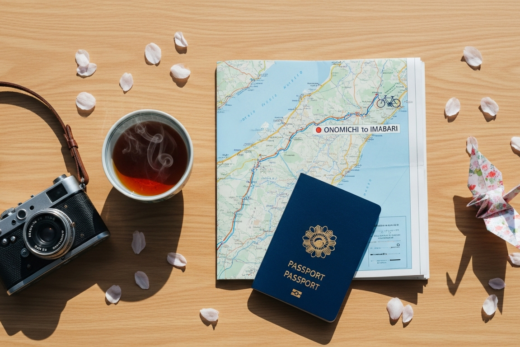
Many travelers use Hiroshima City as a springboard for the wider Setouchi region. If you are planning to visit **Onomichi** to start the Shimanami Kaido cycling route, spending your final night in Hiroshima City is a strategic move.
Transport and Connectivity
The Shinkansen (Bullet Train) connects Hiroshima to Shin-Onomichi in just 35 minutes. If you are staying in Hiroshima City for the night views, you can easily take an evening train back after a day of exploring Onomichi’s temple walks. However, for the best experience, we recommend a “split stay”: a quiet night in a traditional ryokan in Onomichi, followed by a high-energy night in a Hiroshima rooftop bar.
Seasonal Timing: When to Go
If your 2026 trip falls between late November and early January, you cannot miss **Hiroshima Dreamination**. The entire length of Peace Boulevard is decorated with millions of LED lights, forming intricate sculptures and tunnels of light. Seeing this from the 14th-floor terrace of a bar like “Kei” provides the best vantage point in the city.
—
6. Practical Tips for a Flawless Night Out in Hiroshima
To ensure your evening goes smoothly, keep these practicalities in mind:
1. **Reservations:** Rooftop bars are incredibly popular on Friday and Saturday nights. Most hotels allow you to book a table online. If you want a window or terrace seat, specify this in your booking.
2. **The “Last Train” Factor:** Most public transport in Hiroshima (streetcars and buses) stops running around midnight. If you are staying near the station but drinking in Nagarekawa, be prepared to walk or take a taxi after 12:00 AM. Taxis are plentiful and safe.
3. **Weather Warnings:** Rooftop bars may close their outdoor terraces during heavy rain or high winds (common during typhoon season in late summer). Always have a “Plan B” indoor bar, like the **Bar 1924** (a famous, classic cocktail bar in the city).
4. **Cash vs. Card:** While major hotels and rooftop bars accept all international credit cards, smaller “hidden” bars in the back alleys of Nagarekawa may still be cash-only.
—
FAQ: Hiroshima Nightlife & Views
Q1: Is Hiroshima safe to walk around at night?
Yes, Hiroshima is exceptionally safe. Like most Japanese cities, you can comfortably walk through the main districts and even the entertainment areas like Nagarekawa late at night. Standard travel precautions apply, but violent crime is extremely rare.
Q2: Are there any free night views in Hiroshima?
While most rooftop bars require a drink purchase, the view from the **Peace Pagoda on Mount Futaba** is entirely free. Additionally, walking along the **Motoyasu River** at night offers beautiful, free views of the illuminated Atomic Bomb Dome and the surrounding bridges.
Q3: Can I see the Miyajima Torii gate at night from Hiroshima City?
No, Miyajima is about 30 minutes away by train/ferry. If you want to see the famous “floating” Torii gate illuminated, you should stay overnight on Miyajima island or take one of the late-evening “Night Cruises” that depart from the island’s ferry terminal.
Q4: What is the best time for sunset photography in 2026?
In the summer (June/July), the sun sets around 7:15 PM. In the winter (December/January), it sets much earlier, around 5:00 PM. Aim to be at a rooftop bar at least 30 minutes before “Golden Hour” for the best photos.
Q5: Is there a “table charge” at all bars?
Most hotel rooftop bars do not have a traditional “otoshi” but may have a service charge (usually 10-15%). Standalone bars in the nightlife districts will almost always have a table charge. It is best to check the menu at the entrance or ask the staff.
—
Conclusion: Planning Your Perfect Hiroshima Evening
A trip to Hiroshima is incomplete without witnessing the city’s nocturnal charm. By balancing the somber, beautifully lit history of the Peace Memorial Park with the modern, vibrant energy of its rooftop bars, you gain a full understanding of what this city represents: a triumph of spirit and a dedication to a bright future.
As you plan your 2026 Setouchi adventure, remember that Hiroshima serves as more than just a historical stopover. It is a city of rivers, lights, and exceptional hospitality. Start your evening with a quiet walk through the illuminated castle grounds, head to Orizuru Tower for a sunset view over the Peace Park, and finish the night with a craft gin cocktail at The Knot or the Hilton. Whether you are heading next to the cycling paths of Onomichi or the quiet shrines of Miyajima, the memories of Hiroshima’s skyline will remain a highlight of your Japanese journey.
Trip Planning Checklist: