


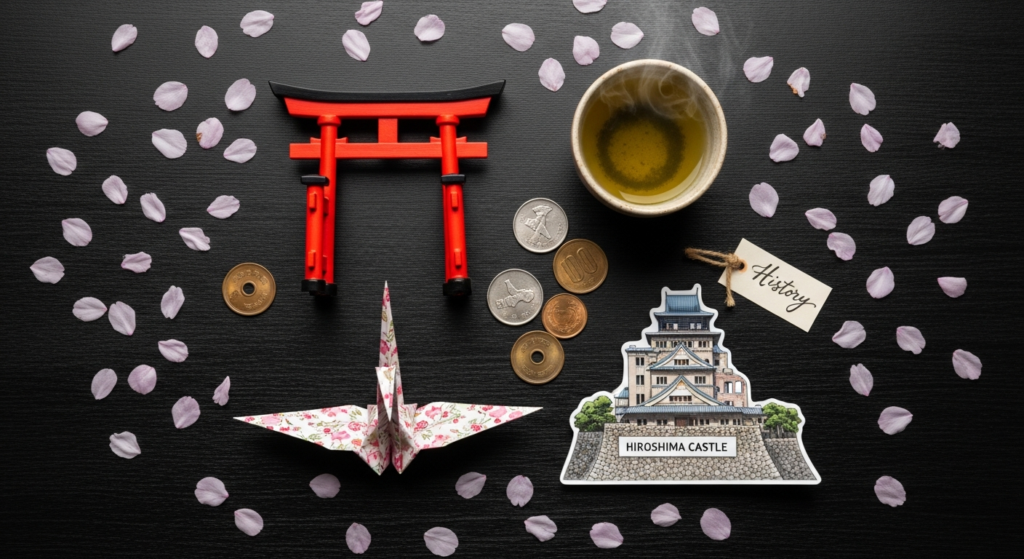
Unveiling Hiroshima Castle: A Journey Through Resilience, History, and the Heart of Japan
The Birth of a Castle: Mōri Terumoto and the Foundation of Hiroshima-jō
The story of Hiroshima Castle (広島城 – Hiroshima-jō) begins in the tumultuous Sengoku period (戦国時代), Japan’s era of warring states. It was Mōri Terumoto (毛利輝元), one of the most powerful daimyo (大名 – feudal lords) of his time, who envisioned and commenced the construction of this grand fortress in 1589. Terumoto, seeking a more strategic and defensible base for his vast domain that spanned ten provinces in western Japan, chose the delta of the Ota River (太田川) for his new capital. This decision was brilliant: the multiple river channels provided natural moats and defense, while the delta offered fertile ground for a thriving port city.
The construction of Hiroshima Castle was an immense undertaking, a true marvel of 16th-century engineering and design. Terumoto employed the finest architects and craftsmen, utilizing vast quantities of timber, stone, and labor. The castle complex was vast, featuring a magnificent five-story main keep (天守閣 – tenshukaku), multiple baileys (honmaru, ninomaru, sannomaru), robust stone walls, and an extensive network of moats. Its strategic importance was immediately recognized, solidifying the Mōri clan’s dominance in the Chūgoku region. The castle wasn’t just a military stronghold; it was designed to be the administrative and economic heart of the Mōri domain, fostering the growth of the castle town that would eventually become the modern city of Hiroshima. The initial years under Mōri Terumoto saw Hiroshima flourish, its port becoming a crucial hub for trade and transportation, connecting the region to the rest of Japan. This ambitious project laid the very foundations for the Hiroshima we know today, a testament to Terumoto’s foresight and power.
Turbulent Times: From Tokugawa Hegemony to Meiji Restoration
Hiroshima Castle’s fortunes, much like Japan itself, underwent significant shifts following its establishment. The Mōri clan’s prominence was challenged after the pivotal Battle of Sekigahara in 1600, where Mōri Terumoto sided with the losing Western Army. As a consequence, he was stripped of much of his territory, and Hiroshima Castle, along with its surrounding domain, was confiscated by the victorious Tokugawa Ieyasu (徳川家康).
The castle then passed into the hands of several Tokugawa loyalist daimyo. The first post-Mōri lord was Fukushima Masanori (福島正則), who undertook extensive repairs and improvements to the castle’s defenses. However, his tenure was short-lived, as he incurred the wrath of the Tokugawa Shogunate and was subsequently removed in 1619. This marked the beginning of the long and stable rule of the Asano clan (浅野氏).
The advent of the Meiji Restoration (明治維新) in 1868 brought an end to the feudal system and the samurai class. Hiroshima Castle, like many other castles across Japan, faced an uncertain future. While some castles were demolished, Hiroshima Castle was deemed strategically important for the new imperial government. In 1871, it was designated as the headquarters for the Hiroshima Garrison, and by 1873, it became the base for the Imperial Japanese Army’s 5th Division (大日本帝国陸軍第5師団). The castle grounds underwent significant modernization to accommodate military facilities, barracks, and training areas. During the First Sino-Japanese War (1894-1895), Hiroshima Castle briefly served as the Imperial General Headquarters, with Emperor Meiji himself residing there, underscoring its national importance during a period of rapid imperial expansion. This transformation from a feudal lord’s residence to a modern military base highlights the castle’s adaptability and continued relevance through a period of dramatic national change.
The Atomic Bomb and the Castle’s Devastation: A Symbol of Resilience
The most poignant and tragic chapter in Hiroshima Castle’s history unfolded on August 6, 1945. At 8:15 AM, the world’s first atomic bomb, “Little Boy,” detonated over Hiroshima. The castle, situated just 1.5 kilometers (approximately 1 mile) from the hypocenter, bore the full brunt of the blast.
The destruction was almost absolute. The magnificent five-story tenshukaku, which had stood proudly for over 350 years, was instantly reduced to rubble and twisted steel. The sturdy stone walls, though partially standing, were severely damaged. Every wooden structure within the castle complex – the gates, the various baileys, the barracks, and the Fifth Division headquarters – was obliterated. The sheer force of the explosion and the subsequent firestorm left an indelible scar, turning a symbol of feudal power and modern military might into a haunting testament to human devastation.
In the immediate aftermath, the ruins of Hiroshima Castle stood as a stark and horrifying symbol of the atomic bomb’s destructive power. Yet, even amidst such utter devastation, the castle’s story began to shift towards one of incredible human resilience. Just as the city of Hiroshima would rise from the ashes, so too would its iconic castle. The choice to rebuild was not merely about restoring a historical structure; it was about reclaiming history, honoring memory, and asserting hope for the future. The few remaining fragments of the original castle, such as parts of the stone foundations and some wall sections, became powerful silent witnesses to both the past glory and the horrific tragedy. The decision to resurrect Hiroshima Castle, therefore, became an integral part of Hiroshima’s broader message of peace and its unwavering commitment to ensuring that such a tragedy never happens again.
Rebirth from the Ashes: The Reconstruction of Hiroshima Castle
The idea of rebuilding Hiroshima Castle emerged almost immediately after the war, driven by a deep desire to restore the city’s identity and provide a tangible link to its pre-war heritage. While the Peace Memorial Park and Museum focused on the future and the horrors of the atomic bomb, the castle represented the city’s longer, rich history.
The reconstruction of the main keep (tenshukaku) was a monumental task, completed in 1958, just 13 years after its destruction. This was a relatively rapid undertaking, fueled by collective will and a desire for restoration. Rather than being an exact replica using traditional methods and materials which would have been prohibitively expensive and time-consuming, the decision was made to reconstruct the tenshukaku using modern reinforced concrete, while meticulously adhering to the original exterior design, based on historical documents, drawings, and photographs. This allowed for the interior to be transformed into a modern museum, serving an educational purpose rather than a purely defensive one.
The reconstructed tenshukaku opened its doors as the Hiroshima Castle History Museum. Its five floors now guide visitors through the castle’s fascinating past, from its founding by Mōri Terumoto to its role in the Edo period, its military transformation in the Meiji era, and its ultimate destruction and rebirth. Exhibits showcase samurai armor, weapons, artifacts related to the Asano clan, models depicting the castle through different periods, and displays illustrating the daily life within the castle walls.
Beyond the main keep, efforts to restore other parts of the castle complex have continued. The Ninomaru (二の丸 – second bailey) area, including the impressive Main Gate (表御門 – Omote-gomon) and the bridge leading to it, was meticulously reconstructed in 1994, using traditional wooden construction techniques. This restoration significantly enhances the visitor’s experience, offering a more complete picture of the castle’s defensive layout and architectural grandeur. The ongoing commitment to preserving and restoring Hiroshima Castle underscores its importance not just as a historical monument, but as a living symbol of Hiroshima’s enduring spirit and its dedication to peace and cultural remembrance. These rebuilding efforts have transformed the castle grounds into a peaceful park, offering a tranquil escape and a powerful historical lesson right in the heart of the bustling city.
Exploring Hiroshima Castle Today: A Journey Through Time
A visit to Hiroshima Castle today is a multi-layered experience, offering insights into Japanese history, culture, and resilience. The castle grounds are expansive and beautifully maintained, serving as a popular park for both locals and tourists, especially during the cherry blossom (桜 – sakura) season.
The Castle Tower (天守閣 – Tenshukaku): Heart of the Castle
Your journey will likely begin with the striking five-story tenshukaku. While a modern reconstruction, its exterior faithfully mirrors the original design, providing a powerful visual link to its feudal past. Inside, the tenshukaku operates as a fascinating museum, each floor dedicated to a different aspect of the castle’s history and the broader context of Japanese feudal society:
- First Floor: Introduces the history of Hiroshima Castle, its construction, and the Mōri and Asano clans who ruled it. You’ll find models and dioramas illustrating the castle’s original layout.
- Second Floor: Delves into samurai culture, showcasing exquisite samurai armor, weapons (katanas, bows, spears), and items related to their daily life and martial arts. This floor offers a glimpse into the warrior class that defined much of Japan’s feudal era.
- Third and Fourth Floors: Feature rotating special exhibitions and provide more detailed insights into the lives of the feudal lords and the castle town’s development. You might find traditional crafts, historical documents, and archaeological findings.
- Fifth Floor: The observation deck. From here, you are treated to panoramic views of Hiroshima city, including the Peace Memorial Park, Shukkei-en Garden, and the distant mountains. It’s a poignant moment to reflect on the city’s past and marvel at its present vibrancy. There’s also a small exhibit on the impact of the atomic bomb on the castle itself, using salvaged artifacts.
Ninomaru (二の丸) and Moats: Defensive Grandeur
Beyond the main keep, take time to explore the reconstructed Ninomaru. This second bailey area offers a clearer understanding of the castle’s defensive architecture. Here you’ll find:
- Omote-gomon (表御門 – Main Gate) and Hira-yagura (平櫓 – Flat Turret): These impressive wooden structures, reconstructed using traditional methods, transport you back in time. Walking through the gate feels like entering a bygone era, providing a powerful sense of the castle’s original scale and defensive capabilities.
- Moats and Stone Walls: The extensive moats, filled with water and often home to carp (hence “Carp Castle”), and the meticulously stacked stone walls are integral to the castle’s charm and historical significance. Strolling along the outer perimeter, you can appreciate the engineering prowess involved in their construction. These walls, particularly, still bear some scars from the atomic blast, a subtle yet powerful reminder of the past.
Gokoku Shrine (護国神社): A Spiritual Heart
Within the castle grounds, you’ll also find Hiroshima Gokoku Shrine (広島護国神社 – Hiroshima Gokoku Jinja). Originally established in 1868 for those who died fighting for the emperor, its current incarnation was rebuilt after the atomic bombing. It enshrines the spirits of soldiers from Hiroshima Prefecture who died in various wars. The shrine is a serene and beautiful spot, offering a chance for quiet reflection and an insight into Japan’s spiritual landscape. It’s especially vibrant during festivals and holidays.
Exploring the entire castle park, including the picturesque grounds, offers a peaceful respite from the city’s hustle and bustle. The blend of historical structures, informative exhibits, and tranquil natural beauty makes Hiroshima Castle a truly enriching experience for any visitor.
Practical Guide for Your Visit: Tips for International Travelers
To ensure a smooth and enjoyable visit to Hiroshima Castle, here are some practical tips and information tailored for international travelers:
- Location and Access:
- From Hiroshima Station: Hiroshima Castle is conveniently located north of Hiroshima Peace Memorial Park.
- Tram (路面電車 – romen densha): Take the No. 1, 2, or 6 tram line from Hiroshima Station to “Kamiyacho-higashi” (紙屋町東) or “Kamiyacho-nishi” (紙屋町西) stop. From there, it’s about a 10-15 minute walk to the castle entrance.
- Bus: Several bus lines from Hiroshima Station will take you close to the castle. Look for stops like “Hiroshima-jo” (広島城) or “Jizo-dori” (地蔵通り).
- Walk: For the adventurous, it’s about a 20-30 minute walk from Hiroshima Station, a pleasant stroll that allows you to take in the city sights.
- From Onomichi: If you’re traveling from Onomichi, take a JR Sanyo Line train to Hiroshima Station (approx. 1 hour by local train, less by bullet train – 新幹線 – Shinkansen). From Hiroshima Station, follow the directions above.
- Opening Hours and Admission Fees:
- Tenshukaku (Castle Tower):
- Hours: Typically 9:00 AM to 5:00 PM (last entry 4:30 PM). Extended hours during peak seasons (e.g., summer, Golden Week). Always check the official website for the most current information.
- Admission Fee: Usually around 370 JPY for adults. Discounts may apply for children, seniors, and groups.
- Castle Grounds: The surrounding park and outer areas are generally open 24/7 and free to enter.
- Best Time to Visit:
- Spring (March-April): Spectacular for cherry blossoms (桜 – sakura) around the moats and grounds, creating a picturesque setting.
- Autumn (October-November): The foliage turns vibrant shades of red and gold, making for beautiful scenic walks.
- Any Season: The castle offers historical depth year-round. Weekdays are generally less crowded than weekends.
- Accessibility: The castle grounds are largely flat and accessible. The main keep has elevators to most floors, making it accessible for visitors with mobility challenges.
- Nearby Attractions: Hiroshima Castle is ideally situated for combining with other major Hiroshima sights:
- Hiroshima Peace Memorial Park and Museum: Just a 15-20 minute walk south from the castle.
- Shukkei-en Garden (縮景園): A traditional Japanese landscape garden, only a 10-minute walk east of the castle.
- Atomic Bomb Dome (原爆ドーム): Also within walking distance from the Peace Memorial Park.
- Etiquette:
- Remove your shoes when entering certain areas within the castle museum (designated areas will be clearly marked).
- Photography is generally allowed inside the museum, but flash photography might be restricted for certain exhibits. Always look for signs.
- Be mindful of other visitors, especially in crowded areas.
- Dispose of trash properly; “leave no trace” is a good rule of thumb in Japan.
A well-planned visit to Hiroshima Castle will allow you to fully appreciate its historical significance and its role as a poignant symbol of Hiroshima’s enduring spirit.
Why Hiroshima Castle is a Must-Visit on Your Onomichi & Hiroshima Itinerary
For travelers exploring the captivating Hiroshima region, including the charming port town of Onomichi, Hiroshima Castle is far more than just another historical site; it’s an indispensable component of understanding the region’s soul. While Onomichi offers its own unique blend of temple walks and stunning island views, Hiroshima Castle provides a crucial historical anchor, revealing layers of narrative that enrich your overall Japanese experience.
Here’s why Hiroshima Castle should be firmly on your itinerary:
- A Symbol of Unyielding Resilience: More than perhaps any other castle in Japan, Hiroshima Castle embodies the spirit of resilience. Its dramatic destruction in 1945 and subsequent meticulous reconstruction are powerful testaments to human perseverance and hope. Walking its grounds, you don’t just see history; you feel the palpable resolve of a city that rebuilt itself. This narrative perfectly complements the themes of peace and recovery found at the Peace Memorial Park, offering a broader context of Hiroshima’s journey.
- A Deep Dive into Feudal Japan: The castle offers a tangible link to Japan’s rich samurai history. From the visionary Mōri Terumoto to the long rule of the Asano clan, the castle museum provides comprehensive insights into the lives of feudal lords, the intricacies of samurai culture, and the development of a strategic castle town. It’s an opportunity to step back in time and truly grasp the political, social, and military structures that shaped pre-modern Japan.
- Architectural Grandeur and Ingenuity: Even as a reconstruction, the castle’s design showcases the remarkable architectural and engineering prowess of late 16th-century Japan. The impressive tenshukaku, the intricate defensive layout of the Ninomaru, and the formidable stone walls and moats speak volumes about the strategic thinking and craftsmanship of the era. It’s a visual treat and an educational journey into traditional Japanese construction.
- A Peaceful Oasis in the City: Despite its dramatic history, the castle grounds today are a tranquil park. It’s a wonderful place for a leisurely stroll, a quiet moment of reflection, or even a picnic, especially beautiful during spring cherry blossoms or autumn foliage. This serene atmosphere provides a welcome balance to the more somber experience of the Peace Memorial Park, showing another facet of Hiroshima’s beauty.
- Connects Past to Present: The castle seamlessly blends ancient history with the very modern story of Hiroshima. From its feudal origins to its military transformation and eventual rebirth, the castle’s narrative helps contextualize the city’s journey through time, making your visit to Hiroshima a more holistic and meaningful one. It helps visitors understand that Hiroshima’s identity is multifaceted, deeply rooted in centuries of culture long before the defining event of 1945.
Integrating Hiroshima Castle into your Hiroshima and Onomichi travel plans ensures a rich, educational, and deeply moving experience. It is a vital piece of the puzzle, revealing the enduring spirit, profound history, and remarkable rebirth of this incredible region. Do not miss the opportunity to walk through the gates of history and witness the resilience of Hiroshima-jō.
Frequently Asked Questions (FAQ) About Hiroshima Castle
Here are some common questions international travelers ask about visiting Hiroshima Castle:
- Q1: Is Hiroshima Castle the original castle?
- A1: No, the current Hiroshima Castle main keep (Tenshukaku) is a faithful reconstruction, completed in 1958, using modern reinforced concrete. The original castle was almost entirely destroyed by the atomic bomb on August 6, 1945. However, some stone foundations and parts of the outer moats and walls are original or have been carefully restored.
- Q2: How much time should I allocate for a visit to Hiroshima Castle?
- A2: We recommend allocating 2-3 hours for a comprehensive visit. This allows sufficient time to explore all five floors of the Tenshukaku (museum), stroll through the reconstructed Ninomaru area, walk along the moats, and visit the Gokoku Shrine within the castle grounds.
- Q3: Is Hiroshima Castle accessible for people with mobility issues?
- A3: Yes, the castle grounds are largely flat and easy to navigate. The main Tenshukaku building is equipped with elevators to access most floors, making it accessible for visitors with wheelchairs or strollers. Some traditional areas, like the reconstructed Ninomaru gates, might involve walking over slightly uneven surfaces or steps, but the main pathways are generally accessible.
- Q4: What’s the best way to get to Hiroshima Castle from Hiroshima Peace Memorial Park?
- A4: Hiroshima Castle is conveniently located just a 15-20 minute walk north from the Hiroshima Peace Memorial Park. It’s a pleasant stroll through the city. Alternatively, you can take a tram from near the Peace Park to “Kamiyacho-higashi” or “Kamiyacho-nishi” stops, from which the castle is a short walk.
- Q5: Are there English explanations available inside the castle museum?
- A5: Yes, the Hiroshima Castle History Museum (inside the Tenshukaku) provides comprehensive English explanations and descriptions for most of its exhibits. This ensures that international visitors can fully understand the historical context and significance of the artifacts on display.