


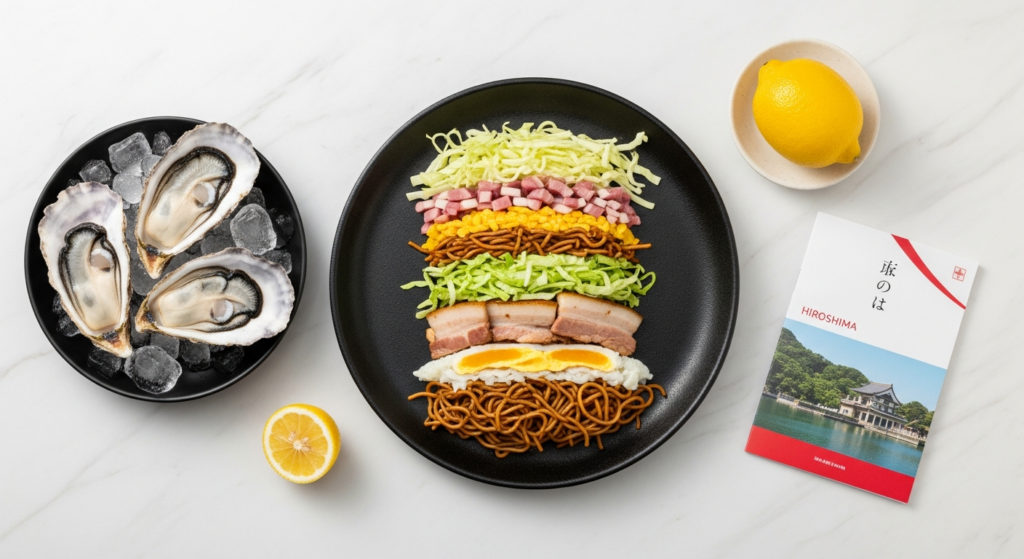
Best Hiroshima Food Tours: Okonomiyaki, Oysters & Local Delights
But how do you navigate this delicious world, especially when time is precious and local insights are invaluable? The answer lies in embarking on one of the fantastic Hiroshima food tours. These expertly curated experiences are designed not just to feed you, but to introduce you to the stories behind the dishes, the best local eateries off the beaten path, and the passionate individuals who keep Hiroshima’s culinary traditions alive. Whether you’re a first-time visitor eager to try the essentials or a seasoned traveler looking for hidden gems, a food tour offers an unparalleled opportunity to taste the true spirit of Hiroshima. Prepare to unlock a world of flavor, guided by locals who live and breathe this incredible city’s gastronomic heart.
Why Embark on a Hiroshima Food Tour? Unlocking Local Flavors and Stories
For any traveler, especially those eager to delve deeper than the surface, a Hiroshima food tour offers a multitude of benefits that transcend simply eating. It’s an investment in an authentic cultural experience, transforming a simple meal into a memorable journey through local history, traditions, and community spirit. Here’s why choosing a guided food adventure is the smartest way to taste Hiroshima:
- Expert Local Guidance: Perhaps the most significant advantage is the insight provided by a local guide. These knowledgeable individuals do more than just point you to food; they share the stories, explain the customs, and illuminate the cultural significance of each dish. They can navigate language barriers, introduce you to chefs and shop owners, and reveal historical tidbits that bring the food to life. Without a guide, you might simply eat a dish; with one, you understand its soul.
- Discover Hidden Gems: Hiroshima, like many Japanese cities, has its fair share of fantastic restaurants tucked away on side streets or within unassuming buildings. A food tour specializing in Hiroshima food tours excels at uncovering these local secrets – places that rarely appear in English guidebooks or online searches. You’ll find yourself in authentic eateries beloved by locals, far from the tourist traps, ensuring a genuine taste of the city.
- Curated Culinary Journey: Rather than randomly picking restaurants, a food tour offers a thoughtfully planned itinerary. This means a balanced tasting experience, moving from appetizers to mains, desserts, and sometimes even drinks. It’s designed to showcase the diversity of Hiroshima’s cuisine, ensuring you try a range of iconic dishes without feeling overwhelmed or missing out on key experiences. This curated approach guarantees you hit all the culinary highlights efficiently.
- Cultural Immersion Beyond Food: Food is inextricably linked to culture. During a food tour, you’ll learn about local dining etiquette, the proper way to enjoy certain dishes, and the social aspects of eating in Japan. You might visit a bustling market and observe daily life, or learn about the specific regional ingredients that make Hiroshima’s food unique. It’s an interactive lesson in Japanese cuisine, one bite at a time.
- Safety and Convenience: Navigating a new city, especially with language differences, can be daunting. A food tour eliminates much of this stress. Your guide handles ordering, explains menus, and ensures you have a smooth and enjoyable experience. This convenience allows you to relax, focus on the flavors, and truly soak in the atmosphere without logistical worries.
Practical Tip: When considering different Hiroshima food tours, pay attention to the guide’s reviews. A passionate, engaging, and knowledgeable guide can elevate a good tour to an unforgettable experience. Look for mentions of their storytelling abilities and willingness to answer questions.
Savoring Hiroshima’s Soul Food: The Okonomiyaki Tour Experience

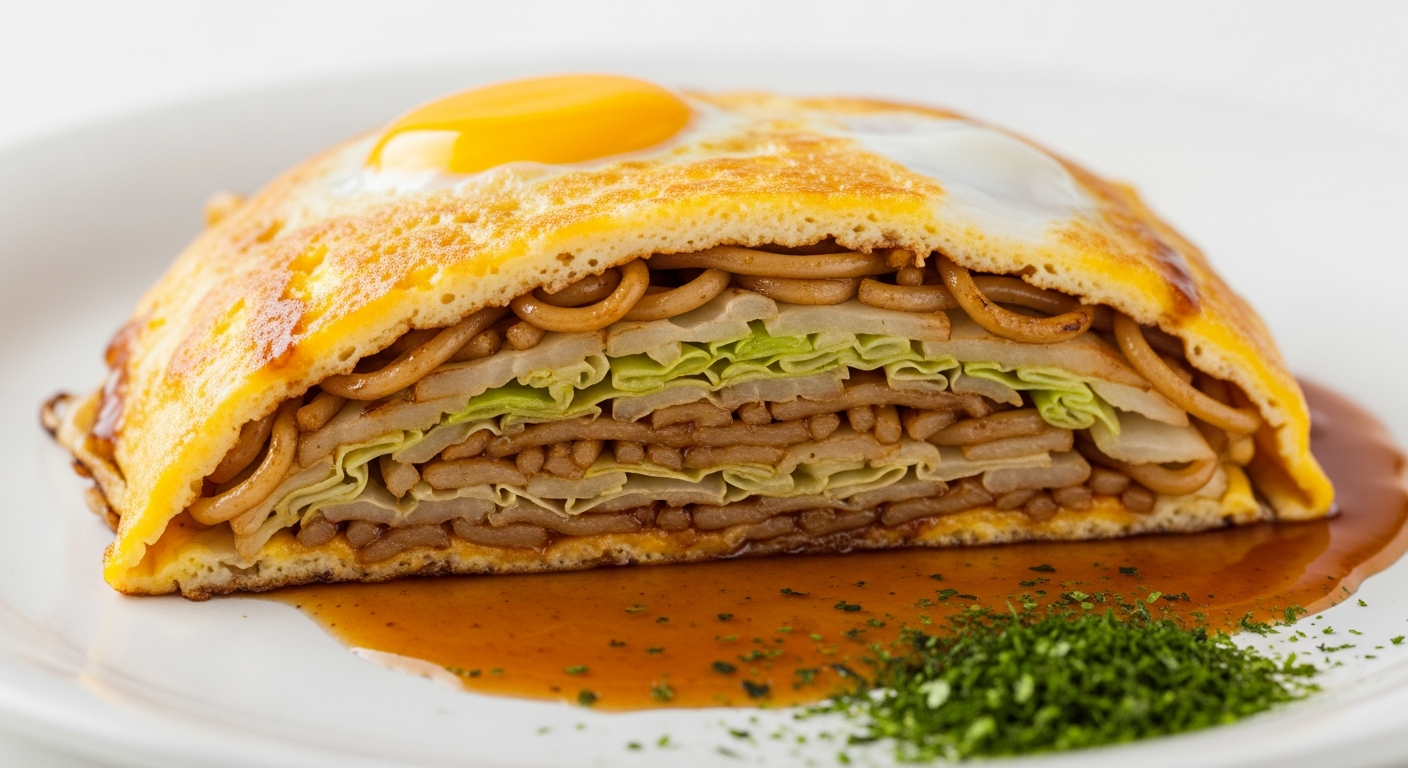
No discussion of Hiroshima’s culinary delights, let alone Hiroshima food tours, would be complete without a deep dive into its most iconic dish: okonomiyaki. This savory pancake, often called “soul food” by locals, is a culinary art form here, distinctly different from its Osaka counterpart. A dedicated okonomiyaki tour is not just about eating; it’s an immersive journey into the heart of Hiroshima’s identity.
Hiroshima-style okonomiyaki is a masterpiece of layering. Unlike Osaka’s mixed batter, Hiroshima’s version builds flavors from the ground up: a thin crêpe-like base, a generous mound of shredded cabbage, bean sprouts, slices of pork belly, and often tempura scraps, all steamed together. This is then topped with soba or udon noodles, a fried egg, and a drizzle of rich, sweet-savory okonomiyaki sauce, often with a sprinkle of aonori (dried seaweed flakes) and katsuobushi (bonito flakes). The result is a multi-textured, deeply satisfying dish where each component retains its distinct flavor and texture.
An okonomiyaki-focused tour will typically take you to establishments ranging from bustling, multi-story “okonomimura” (okonomiyaki villages) to smaller, family-run shops hidden in local neighborhoods. Okonomimura, such as those found in the Nagarekawa district, house multiple vendors under one roof, each with their unique twist, allowing you to sample different styles in one go. Here, you’ll sit at a counter facing a massive sizzling teppan (griddle), watching the skilled chefs prepare your dish with mesmerizing precision. The aroma alone is an experience.
During such a tour, your guide will explain the meticulous layering process, the history of the dish, and the local variations. You might learn about the specific type of cabbage used, the secret blend of spices in the sauce, or even the art of flipping the pancake with a precise, swift motion. Some tours might even offer a hands-on experience, allowing you to try your hand at preparing a simple version under the watchful eye of a master chef – a truly unique souvenir!
Beyond the taste, these tours highlight the social aspect of okonomiyaki. It’s a dish meant for sharing, enjoyed communally around the hot teppan with friends or family, often paired with a cold beer or local sake. It’s a symbol of Hiroshima’s resilience and its ability to rebuild and thrive, turning simple ingredients into something extraordinary.
Practical Tip: Don’t be shy to ask your guide about the best way to eat okonomiyaki (often with a small metal spatula called a “kote” directly from the griddle!). Also, inquire if the tour visits multiple shops; tasting different interpretations of okonomiyaki can truly showcase its diversity.
From the Seto Inland Sea: Oyster & Seafood Hiroshima Food Tours
While okonomiyaki holds the crown as Hiroshima’s signature dish, the briny treasures of the Seto Inland Sea offer another compelling reason to explore the region’s culinary landscape, making oyster and seafood-focused Hiroshima food tours incredibly popular. Hiroshima Prefecture is Japan’s largest producer of oysters, particularly famous for those cultivated around the sacred island of Miyajima. These oysters are renowned for their plumpness, creamy texture, and delicate sweetness, a true testament to the clean, nutrient-rich waters they inhabit.
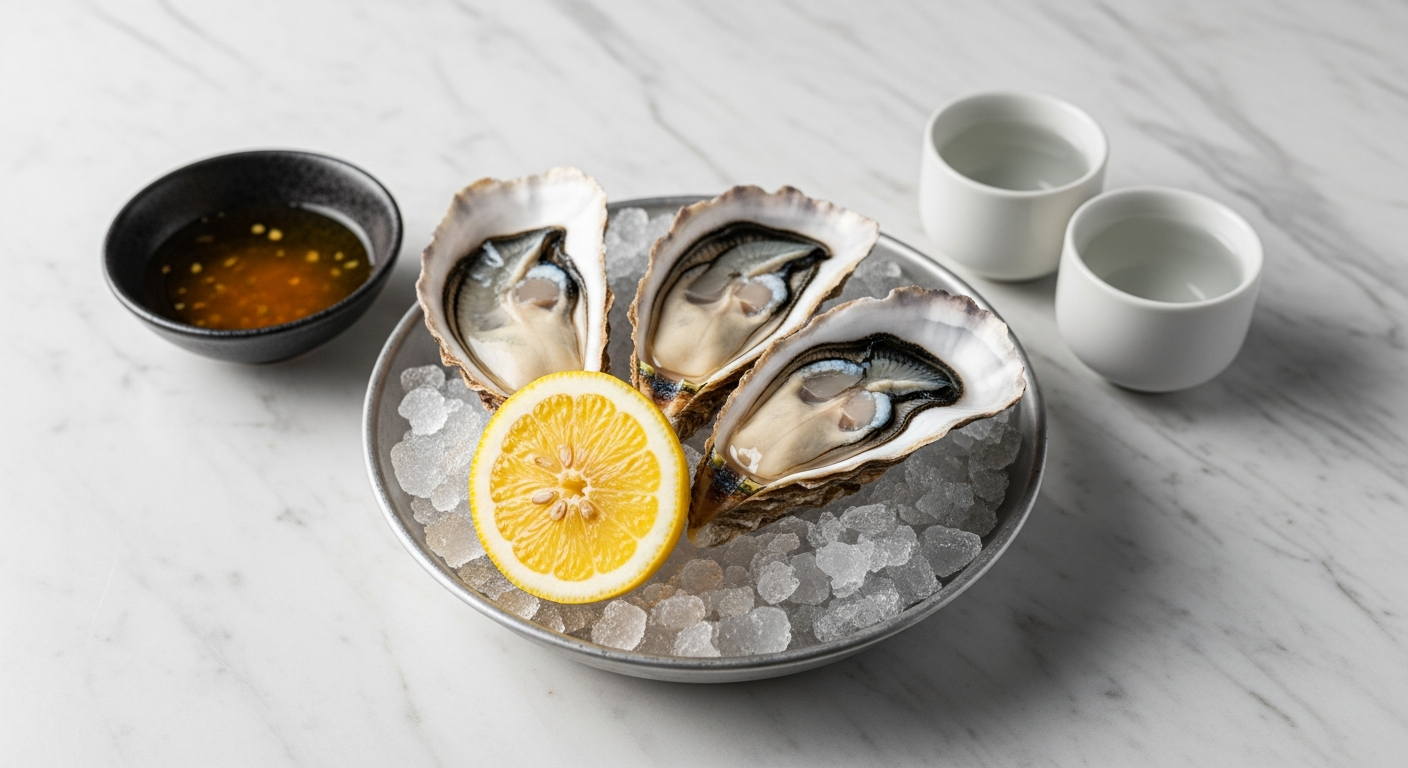
A dedicated oyster and seafood tour will typically begin with an exploration of Miyajima or a visit to a local fish market where you can witness the sheer freshness of the day’s catch. On Miyajima, particularly during the oyster season (roughly October to April), you’ll find numerous street stalls and restaurants offering oysters in every conceivable preparation: raw with a squeeze of lemon, grilled with a hint of soy sauce, fried to a golden crisp (kaki-fry), baked with cheese, or even simmered into a hearty hot pot. Some tours might include a visit to an oyster farm, providing fascinating insights into the cultivation process and the sustainable practices that ensure their quality. For more information on Hiroshima’s oyster industry, you can visit Hiroshima’s official tourism site.
Beyond oysters, the Seto Inland Sea blesses Hiroshima with an abundance of other exquisite seafood. Tours often introduce you to dishes featuring anago (sea eel), particularly famous as “anago-meshi” (grilled sea eel over rice), a specialty of Miyajima. Unlike freshwater unagi, anago is lighter, flakier, and often prepared with a subtle, sweet soy glaze. You might also encounter local catches like sea bream (tai), squid, or various shellfish, prepared as sashimi, grilled, or simmered.
These tours offer a chance to understand the deep connection between Hiroshima’s geography and its cuisine. The calm, warm waters of the Seto Inland Sea create an ideal environment for aquaculture, supporting not just oysters but a diverse marine ecosystem. Your guide will explain the seasonality of different seafood, the best ways to enjoy them, and the traditional methods of preparation that highlight their natural flavors.
Imagine yourself sampling freshly shucked oysters with a breathtaking view of the floating torii gate, or enjoying a perfectly grilled anago-meshi in a century-old restaurant. These are the moments that truly define a gastronomic journey through Hiroshima, making an oyster and seafood tour an essential experience for any epicurean traveler.
Practical Tip: If oysters are your primary focus, plan your visit during the peak season from late autumn to early spring. Always confirm with the tour operator if the tour includes raw oyster consumption, as some travelers might prefer cooked options. Don’t forget to pair your seafood with local sake or a crisp Japanese beer for the ultimate experience!
Beyond the Big Two: Discovering Hiroshima’s Hidden Culinary Gems and Markets
While Hiroshima-style okonomiyaki and Seto Inland Sea oysters are undoubtedly the stars, the city’s culinary tapestry is far richer, woven with countless other local delights waiting to be discovered. For those who crave an exploration beyond the well-trodden path, there are Hiroshima food tours designed to unearth these hidden culinary gems and immerse you in the vibrant atmosphere of local markets.
One such gem is Hiroshima tsukemen. While ramen is universally popular, tsukemen is a unique experience where thick, chewy noodles are served separately from a rich, intensely flavored dipping broth. Hiroshima’s version often features a spicy, sesame-based broth, creating a thrilling sensation of heat and umami. A tour might take you to a local tsukemen specialist, where you can customize the spice level and enjoy this distinctive take on noodles.
Another must-try is Momiji Manju, a maple-leaf-shaped cake that is Miyajima’s signature souvenir, but equally popular throughout Hiroshima. While the classic filling is sweet red bean paste, modern versions boast a delightful array of flavors like matcha, cream cheese, chocolate, and even savory options. A food tour focusing on local sweets might include a stop at a traditional confectioner, perhaps even offering a chance to witness their creation or sample freshly baked varieties.
Exploring local markets is another highlight. While not as large as Osaka’s Kuromon Ichiba, Hiroshima’s markets like the bustling Hondori shopping street and its surrounding alleys offer a glimpse into daily life and provide opportunities for delicious street food. Imagine sampling fresh fish cakes (kamaboko), trying regional pickles (tsukemono), or discovering unique local produce. Some tours might even venture into specific fish or produce markets, revealing the source of Hiroshima’s fresh ingredients and allowing you to interact with local vendors.
Beyond specific dishes, these tours often introduce you to local beverages. This could include a tasting of regional sake from one of Hiroshima Prefecture’s renowned breweries, a chance to try unique local fruit juices, or even discovering obscure craft beers brewed within the city. Your guide can provide context on the brewing traditions and flavor profiles unique to the region. For a broader understanding of Japanese food culture, resources like Japan Travel offer excellent insights.
These “beyond the big two” Hiroshima food tours are perfect for adventurous eaters or those returning to Hiroshima who wish to deepen their understanding of its culinary landscape. They offer a more granular view of local life, allowing you to connect with the city’s everyday flavors and traditions.
Practical Tip: Be sure to communicate any specific dietary restrictions or preferences to your tour operator in advance. While traditional Japanese tours might be less flexible, many modern tours are becoming more accommodating, and knowing ahead of time allows them to tailor the experience or suggest suitable alternatives.
Evening Eats & Izakaya Immersion: Hiroshima’s Nightlife by Fork
As the sun sets over Hiroshima, a different kind of culinary magic awakens. The city’s izakayas – informal Japanese gastropubs – come alive, offering a vibrant atmosphere, a dizzying array of small plates, and an endless flow of drinks. An evening Hiroshima food tour centered around izakaya hopping is perhaps the most exhilarating way to experience local nightlife and truly immerse yourself in the social fabric of the city.
Izakayas are not just places to eat; they are social hubs where friends, colleagues, and families unwind. They embody the Japanese concept of “nomikai” (drinking parties) and “enkai” (banquets), where conversation flows as freely as the sake. An evening food tour will guide you through the labyrinthine alleys of areas like Nagarekawa or Ekinishi (nicknamed “Ekinishi Kitchen Street”), revealing cozy, authentic establishments that you might otherwise overlook.
Expect to sample a wide variety of dishes known as “otsumami” (snacks or appetizers). This could include crispy yakitori (grilled skewers of chicken, vegetables, or even seafood), delicate sashimi, piping hot bowls of oden (simmered dishes), savory gyoza, fresh salads, and a rotating selection of seasonal specials. Each izakaya often has its own specialties, and a good tour will showcase a range of styles and flavors, allowing you to experience the diversity within this dining genre.
Of course, drinks are an integral part of the izakaya experience. Your tour might include tastings of local Hiroshima sake, known for its soft, clean profile due to the region’s excellent water. You could also try various shochu, highballs, Japanese craft beers, or traditional plum wine (umeshu). Your guide will help you navigate the drink menus, explain regional preferences, and perhaps even teach you a few useful drinking phrases.
Beyond the food and drink, these tours offer a fascinating glimpse into Japanese social customs. You’ll learn about toasting etiquette, the practice of sharing dishes, and the general jovial atmosphere that defines an izakaya visit. It’s an opportunity to relax, observe, and even interact with locals, breaking down cultural barriers one shared plate at a time.
An evening izakaya tour provides not only a satisfying meal but also an unforgettable cultural experience, leaving you with a deeper appreciation for Hiroshima’s lively spirit and its welcoming people. It’s the perfect way to cap off a day of sightseeing and connect with the city’s pulse after dark.
Practical Tip: Pace yourself with the drinks! Izakayas are known for their lively atmosphere, but it’s easy to get carried away. Also, be prepared for some smoke in traditional izakayas, though many newer establishments are non-smoking. Wear comfortable shoes as you’ll likely be walking between different venues.
Crafting Your Perfect Culinary Journey: Choosing the Best Hiroshima Food Tours
With a growing number of culinary experiences on offer, selecting the best Hiroshima food tours for your travel style and preferences can feel like a delicious dilemma. To ensure your gastronomic adventure is everything you hoped for, consider these key factors before booking:
- Tour Focus and Itinerary:
- Specialization: Are you primarily interested in okonomiyaki, oysters, or a broader exploration of local snacks and sweets? Some tours are highly specialized (e.g., “Hiroshima Okonomiyaki & Sake Tour”), while others offer a more general overview (“Hiroshima Essential Food & Drink”). Review the itinerary carefully to ensure it aligns with your culinary goals.
- Morning vs. Evening: Morning tours often focus on markets and daytime snacks, while evening tours usually revolve around izakayas and dinner. Consider which aspect of Hiroshima’s food scene you’d prefer to explore.
- Duration and Pace:
- Length: Tours typically range from 2 to 4 hours. Assess how much time you’re willing to dedicate and how many stops you’d like to make. Longer tours generally offer a more comprehensive experience with more food samples.
- Walking vs. Sitting: Most food tours involve a significant amount of walking between venues. Check the tour description for distances and ensure it matches your physical capabilities. Some tours may involve public transport.
- Group Size and Intimacy:
- Small Group vs. Private: Smaller groups (typically 6-12 people) offer a more intimate experience, allowing for better interaction with the guide and fellow travelers. Private tours provide the ultimate flexibility and personalized attention, though at a higher cost. Decide if you prefer a social group setting or a tailored experience.
- Dietary Accommodations:
- Restrictions: If you have allergies, dietary restrictions (vegetarian, vegan, gluten-free), or strong preferences, it’s crucial to check with the tour operator before booking. While Japanese cuisine can be challenging for some restrictions, many tours are becoming more accommodating if given advance notice. Be specific about your needs.
- Cost and Inclusions:
- Value for Money: Compare prices across different tours, but remember that the cheapest option isn’t always the best value. Factor in what’s included (number of food/drink samples, guide fees, transportation, potential hands-on activities). A slightly more expensive tour might offer a significantly richer experience.
- Hidden Costs: Confirm if drinks are included or if you’ll need to purchase them separately. Are there any other potential out-of-pocket expenses?
- Language and Guide Expertise:
- English-Speaking Guide: Ensure the tour provides an English-speaking guide (or your preferred language). The quality of the guide can make or break the experience, so look for tours with highly-rated guides known for their storytelling and local knowledge.
Practical Tip: Read recent reviews on reputable platforms (e.g., TripAdvisor, Google Reviews) to get a real sense of past participants’ experiences. Look for consistent positive feedback on the food quality, guide’s enthusiasm, and overall organization.
Essential Tips for Maximizing Your Hiroshima Food Tour Experience
Embarking on one of the many delightful Hiroshima food tours is an adventure in itself, but a little preparation can ensure you squeeze every ounce of enjoyment (and flavor!) from your experience. Here are some actionable tips to help you make the most of your culinary journey:
- Come Hungry, But Not Starving: This might sound obvious, but it’s important. Arrive with an appetite, but avoid showing up ravenous. You’ll be sampling multiple dishes over a few hours, and you want to appreciate each one. A light breakfast or lunch is usually fine, depending on your tour’s start time.
- Wear Comfortable Shoes: Most food tours involve a fair amount of walking between establishments, navigating bustling streets, and sometimes standing. Comfortable footwear is non-negotiable for a pleasant experience.
- Be Open-Minded and Adventurous: Japanese cuisine offers a vast array of textures and flavors that might be new to you. Some dishes might contain ingredients you’re unfamiliar with. Embrace the opportunity to try something different! You might discover a new favorite.
- Engage with Your Guide: Your guide is a treasure trove of local knowledge. Ask questions about the food, the culture, the history, and even for recommendations for other activities or restaurants. The more you interact, the richer your experience will be.
- Learn Basic Japanese Phrases: While your guide will handle most of the communication, knowing a few simple phrases like “Arigato gozaimasu” (Thank you very much), “Oishii!” (Delicious!), and “Sumimasen” (Excuse me/Sorry) will enhance your interactions with local vendors and show respect for the culture.
- Carry Cash (Yen): While many establishments in Japan now accept credit cards, smaller, more traditional eateries, especially izakayas, may still be cash-only. It’s always wise to have some yen on hand for additional purchases, drinks not included in the tour, or souvenirs.
- Pace Yourself: You’ll encounter many delicious offerings. Don’t feel obligated to finish every single bite, especially if you’re on a longer tour with many stops. Savor each taste, but listen to your body.
- Bring a Small Bottle of Water: Staying hydrated, especially if you’re sampling alcoholic beverages or spicy food, is a good idea.
- Consider Your Tour’s Accessibility: If you have mobility concerns, inquire with the tour operator about the accessibility of venues and the walking distances involved.
- Capture the Moments (Respectfully): Feel free to take photos of the food and the vibrant atmosphere. However, always be mindful of other diners and ask permission before taking photos of people, especially chefs or shop owners.
By keeping these tips in mind, you’re not just participating in a food tour; you’re actively creating an enriching and unforgettable cultural experience that celebrates the very best of Hiroshima’s flavors and hospitality.
Conclusion: Your Passport to Hiroshima’s Culinary Heart
Hiroshima is a city that touches the soul, not just through its history but profoundly through its flavors. From the meticulously layered comfort of okonomiyaki to the pristine taste of Seto Inland Sea oysters, and the countless hidden delights found in its bustling markets and convivial izakayas, the culinary journey here is as compelling as any historical site.
Embarking on one of the expertly crafted Hiroshima food tours offers more than just a meal; it’s your passport to understanding the city’s spirit, resilience, and deep-seated traditions. These tours strip away the guesswork, connect you with passionate local guides, and introduce you to authentic eateries that might otherwise remain undiscovered. They transform mere tasting into a rich cultural immersion, providing context, stories, and unforgettable memories with every bite.
Whether you dream of mastering the art of the kote at an okonomiyaki counter, savoring the freshest oysters with a view of Miyajima, or toasting with locals in a lively izakaya, there’s a perfect food tour waiting for you. It’s an investment not just in a meal, but in an authentic, joyful exploration of Hiroshima’s true essence.
Don’t just visit Hiroshima; taste it. Let a local guide unlock the city’s culinary secrets for you. The vibrant flavors, the warm hospitality, and the profound cultural insights gained from a Hiroshima food tour will undoubtedly be among the most cherished highlights of your Japanese adventure.
Ready to savor the best of Hiroshima? Explore our recommended Hiroshima food tours today and book your unforgettable culinary journey!
Frequently Asked Questions
What is Hiroshima-style okonomiyaki, and how is it different from Osaka-style?
▾
Are Hiroshima oysters safe to eat raw? What’s the best season for them?
▾
Can I find vegetarian or vegan options on Hiroshima food tours?
▾
What should I wear and bring on a Hiroshima food tour?
▾
How far in advance should I book a Hiroshima food tour?
▾
About Us |
Contact |
Privacy Policy