Shimanami Kaido Cycling Guide: Everything You Need to Know 2026
Welcome to the ultimate Shimanami Kaido cycling complete guide 2026, your essential resource for planning an unforgettable two-wheeled adventure across Japan’s breathtaking Seto Inland Sea. This iconic 70-kilometer route, known as the Shimanami Kaidō (しまなみ海道), connects Onomichi in Hiroshima Prefecture to Imabari in Ehime Prefecture, traversing six picturesque islands via a series of magnificent bridges. Renowned globally as one of the best cycling destinations, the Shimanami Kaido offers a unique blend of stunning coastal scenery, charming island culture, delicious local cuisine, and the exhilarating challenge of crossing engineering marvels. Whether you’re a seasoned cyclist looking for a multi-day journey or a casual rider seeking a leisurely day trip, this guide provides all the practical information, insider tips, and detailed insights you need to make your 2026 Shimanami Kaido experience seamless and spectacular. Prepare to immerse yourself in the beauty of the Setouchi region and create lasting memories on this world-class cycling path.
Introduction to the Shimanami Kaido: The Cycling Paradise
The Shimanami Kaido, officially known as the Nishiseto Expressway, is more than just a road; it’s a dedicated cycling and pedestrian path that has captured the hearts of adventurers worldwide. Spanning approximately 70 kilometers (43 miles), this meticulously maintained route offers a relatively flat and well-signposted journey across the Seto Inland Sea (Seto Naikai, 瀬戸内海). The path gracefully links the city of Onomichi (尾道) in Hiroshima Prefecture with Imabari (今治) in Ehime Prefecture, connecting six main islands: Mukaijima (向島), Innoshima (因島), Ikuchijima (生口島), Omishima (大三島), Hakatajima (伯方島), and Oshima (大島). Each island boasts its own unique charm, from citrus groves and historic temples to vibrant fishing villages and artisanal shops.
What truly sets the Shimanami Kaido apart are its six iconic bridges, each an architectural marvel offering panoramic views of the sea and islands. These include the Innoshima Bridge, Ikuchi Bridge, Tatara Bridge (famous for its harp-like design), Omishima Bridge, Hakata-Oshima Bridge, and the magnificent Kurushima-Kaikyo Bridge (来島海峡大橋), one of the world’s longest suspension bridge systems. Cyclists enjoy dedicated lanes, separate from vehicle traffic, making for a safe and enjoyable ride. The route is clearly marked with a distinctive blue line, guiding riders every pedal of the way. With numerous cycle terminals, rental options, and support services along the path, it’s designed for accessibility, catering to everyone from families to serious touring cyclists.
Beyond the physical ride, the Shimanami Kaido offers a deep dive into local Japanese culture. Cyclists can stop at quaint cafes, sample fresh seafood, visit ancient shrines like Oyamazumi Shrine (大山祇神社) on Omishima, or explore the unique art installations on Ikuchijima. The gentle pace of cycling allows for spontaneous discoveries and authentic interactions with friendly locals. For 2026, expect continued improvements in infrastructure and services, building on its reputation as a premier destination. Whether you choose to tackle the entire route over two days or enjoy a shorter segment, the Shimanami Kaido promises an invigorating and culturally rich experience that combines physical activity with stunning natural beauty and Japanese hospitality.
Choosing Your Starting Point: Onomichi vs. Imabari
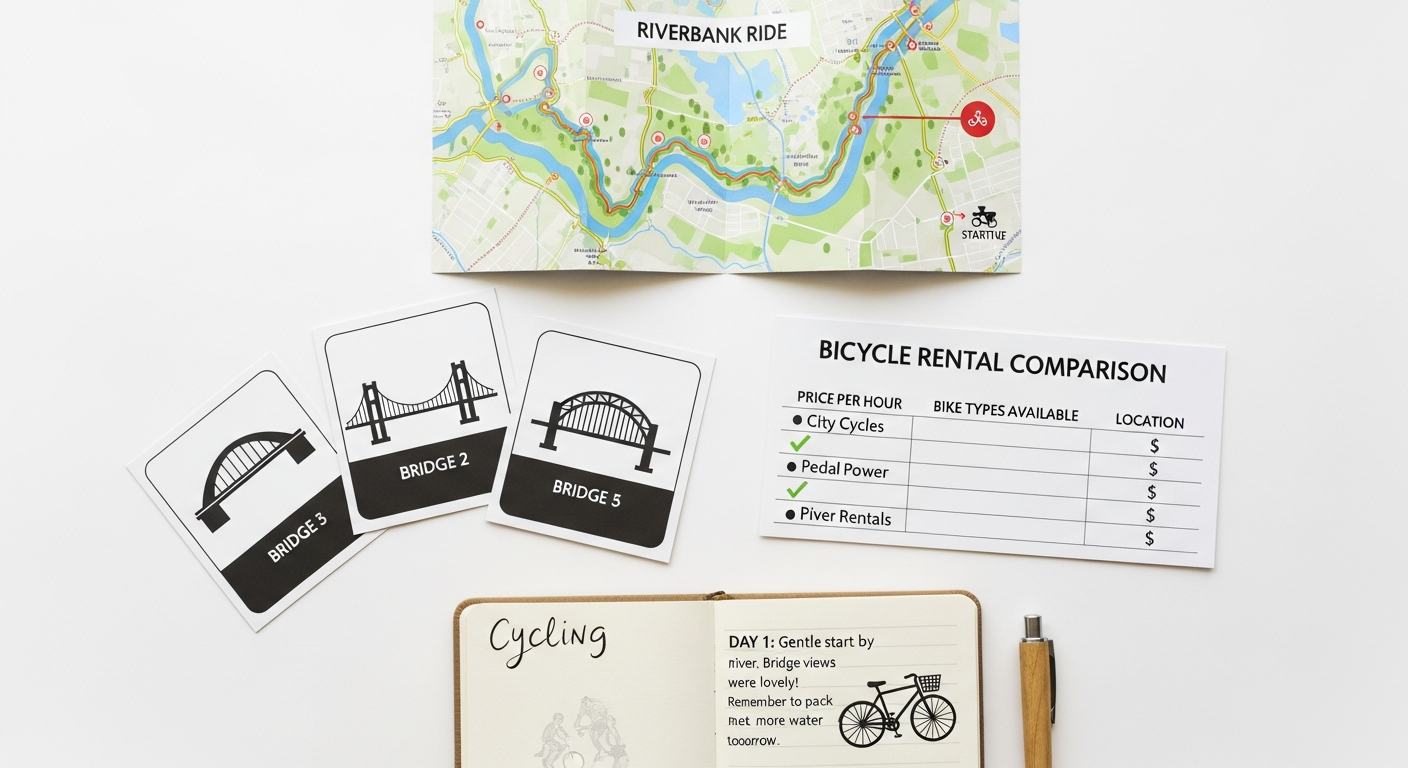
Deciding whether to start your Shimanami Kaido adventure from Onomichi (尾道) or Imabari (今治) is one of the first and most crucial decisions for any cyclist. Both cities offer unique advantages and distinct atmospheres, influencing the overall flow and experience of your ride. Understanding these differences will help you tailor your trip to your preferences.
Starting from Onomichi (Hiroshima Prefecture)
Onomichi is a charming, historic port town nestled on the slopes of hills overlooking the Seto Inland Sea. It’s often considered the “traditional” starting point for the Shimanami Kaido.
- Accessibility: Onomichi is easily accessible from major cities. From Tokyo, take the Tokaido-Sanyo Shinkansen (こだま/ひかり/のぞみ) to Fukuyama Station (福山駅) (approx. 4-5 hours), then transfer to the JR Sanyo Main Line (JR山陽本線) for a 20-minute local train ride to Onomichi Station (尾道駅). From Osaka, it’s about 2 hours by Shinkansen to Fukuyama, then the local train. From Hiroshima, it’s a direct 1.5-hour local train ride.
- Atmosphere: Onomichi boasts a nostalgic, retro vibe with narrow alleyways, hillside temples (like Senkoji Temple, 千光寺), and a vibrant cat-filled “Cat Alley” (猫の細道). It’s a fantastic place to spend a day before your ride, exploring literary monuments, enjoying local ramen (Onomichi Ramen, 尾道ラーメン), and soaking in the artistic ambiance.
- Logistics: From Onomichi, you’ll need to take a short ferry ride (approx. 5 minutes, JPY 100 for passenger + bike) from the port near Onomichi Station to Mukaijima (向島), the first island. This adds a unique local flavor to the start of your journey. The main cycle terminal, Shimanami Cycle, is conveniently located near the station.
- Route Profile: Starting from Onomichi means you’ll typically ride south, ending with the spectacular Kurushima-Kaikyo Bridge. This can feel like a grand finale, but also means you’re tackling the longest bridge system towards the end of your ride, potentially when you’re most tired.
Starting from Imabari (Ehime Prefecture)
Imabari, while less touristy than Onomichi, is a bustling industrial city known for shipbuilding and towel production. It offers a more direct start to the cycling route.
- Accessibility: Imabari is accessible via the JR Yosan Line (JR予讃線). From Osaka, take the Shinkansen to Okayama (岡山), then the Limited Express Shiokaze (しおかぜ) to Imabari (approx. 3 hours total). From Matsuyama (松山), it’s about a 40-minute train ride. Direct highway buses also connect Imabari to Hiroshima and Osaka.
- Atmosphere: Imabari is more modern and less focused on tourism compared to Onomichi, though Imabari Castle (今治城) is a notable attraction. Cyclists often head straight to the cycle terminal.
- Logistics: The main cycle terminal, Sunrise Itoyama (サンライズ糸山), is located directly at the foot of the Kurushima-Kaikyo Bridge, meaning you can literally start cycling immediately onto the bridge. This eliminates the need for a ferry and provides an immediate “wow” factor.
- Route Profile: Starting from Imabari means you begin with the impressive Kurushima-Kaikyo Bridge. This can be exhilarating, but also means you’re tackling the longest bridge system right away. The route then progresses north towards Onomichi. Many find the ride slightly easier this way, as the overall elevation gain is marginally less pronounced when heading north.
Ultimately, the choice depends on your priorities. If you prefer a charming historic town experience before your ride and don’t mind a short ferry, Onomichi is ideal. If you want to jump straight onto the most spectacular bridge and prefer a more direct start, Imabari might be a better fit. Both offer excellent facilities and a memorable beginning to your Shimanami Kaido journey.
Navigating the Route: Islands, Bridges & Key Attractions
The Shimanami Kaido is a treasure trove of scenic beauty and cultural gems, with each island offering its own unique character and attractions. The route is impeccably marked with a blue line on the road, making navigation straightforward. Here’s a detailed look at the islands and must-see spots as you cycle from Onomichi towards Imabari.
Mukaijima (向島)
The first island after a short ferry ride from Onomichi. Mukaijima is largely residential and agricultural, known for its citrus fruits.
- What to See: While quieter, it offers pleasant rural scenery. Stop at the Tachibana Shokuhin Kogyo (立花食品工業) for local sweets or enjoy a break at a seaside cafe.
- Bridge: Innoshima Bridge (因島大橋). The approach ramp for cyclists is quite long but gentle, offering great views back towards Onomichi.
Innoshima (因島)
Innoshima is historically significant as a former base for pirates (Suigun) of the Seto Inland Sea.
- What to See: Innoshima Suigun Castle (因島水軍城) is a reconstruction of a pirate fortress, housing a museum about the island’s maritime history. The Ikkyu-san (一休さん) temple, known for its unique Buddha statue, is also a quirky stop.
- Bridge: Ikuchi Bridge (生口橋). This cable-stayed bridge is striking and offers a smooth transition to the next island.
Ikuchijima (生口島)
Often considered one of the most popular islands, Ikuchijima is famous for its citrus fruits, particularly lemons, and its artistic flair.
- What to See:
- Kosanji Temple (耕三寺): A magnificent and elaborate temple complex built by a wealthy industrialist in memory of his mother. It features replicas of famous Japanese temples and a stunning marble cave called the “Hill of Hope” (未来心の丘). Admission: JPY 1,400.
- Dolce Ice Cream (ドルチェ): A highly recommended stop for refreshing gelato made with local fruits, especially lemon and mandarin orange. Located right by the cycling path.
- Ikuchijima Art Museum (生口島美術館): Showcases contemporary art and sculptures scattered along the coastline.
- Bridge: Tatara Bridge (多々羅大橋). This is one of the world’s longest cable-stayed bridges and an iconic landmark of the Shimanami Kaido. It’s known for its “Singing Dragon” sound effect under the pylons.
Omishima (大三島)
The largest island on the route, Omishima is a spiritual heartland and offers a more tranquil experience.
- What to See:
- Oyamazumi Shrine (大山祇神社): One of Japan’s oldest and most revered shrines, dedicated to the gods of mountains, seas, and warriors. It houses an impressive collection of ancient weapons and armor, many designated as National Treasures. Admission to Treasury: JPY 1,000.
- Omishima Furusato Ikoi no Ie (大三島ふるさと憩いの家): A former elementary school converted into a guesthouse and cafe, offering stunning views and local cuisine.
- Bridge: Omishima Bridge (大三島橋). A relatively short arch bridge, connecting Omishima to Hakatajima.
Hakatajima (伯方島)
Hakatajima is known for its salt production and beautiful beaches.
- What to See:
- Dolphin Farm Shimanami (ドルフィンファームしまなみ): An interactive facility where you can observe and even swim with dolphins (reservations recommended, prices vary).
- Hakata Beach (伯方ビーチ): A lovely spot for a break, with white sand and clear waters. Look for “Hakata no Shio” (伯方の塩) products, the famous local salt.
- Bridge: Hakata-Oshima Bridge (伯方・大島大橋). This bridge is actually two bridges connected by a small island called Mushijima (見近島), which has a free camping ground.
Oshima (大島)
The final island before Imabari, Oshima offers rugged beauty and spectacular bridge views.
- What to See:
- Yoshiumi Iki-iki Kan (よしうみいきいき館): A popular roadside station at the base of the Kurushima-Kaikyo Bridge. It’s famous for its fresh seafood market and BBQ experiences where you can grill your own catch. Also offers boat tours under the bridge.
- Mt. Kiro Observatory Park (亀老山展望公園): A must-visit for panoramic views of the Kurushima-Kaikyo Bridge and the intricate island landscape, especially at sunset. The climb up is steep but rewarding (consider an e-bike or taxi from the base).
- Bridge: Kurushima-Kaikyo Bridge (来島海峡大橋). This magnificent 4-kilometer (2.5-mile) long three-part suspension bridge system is the grand finale (or beginning) of the Shimanami Kaido. Cycling across it is an unforgettable experience, offering expansive views of the Seto Inland Sea.
Each island has designated “Blue Line” routes for cyclists, ensuring you stay on track. Don’t rush; take your time to explore these unique stops and truly immerse yourself in the charm of the Setouchi region.
Cycle Rentals, Terminals & Support Services
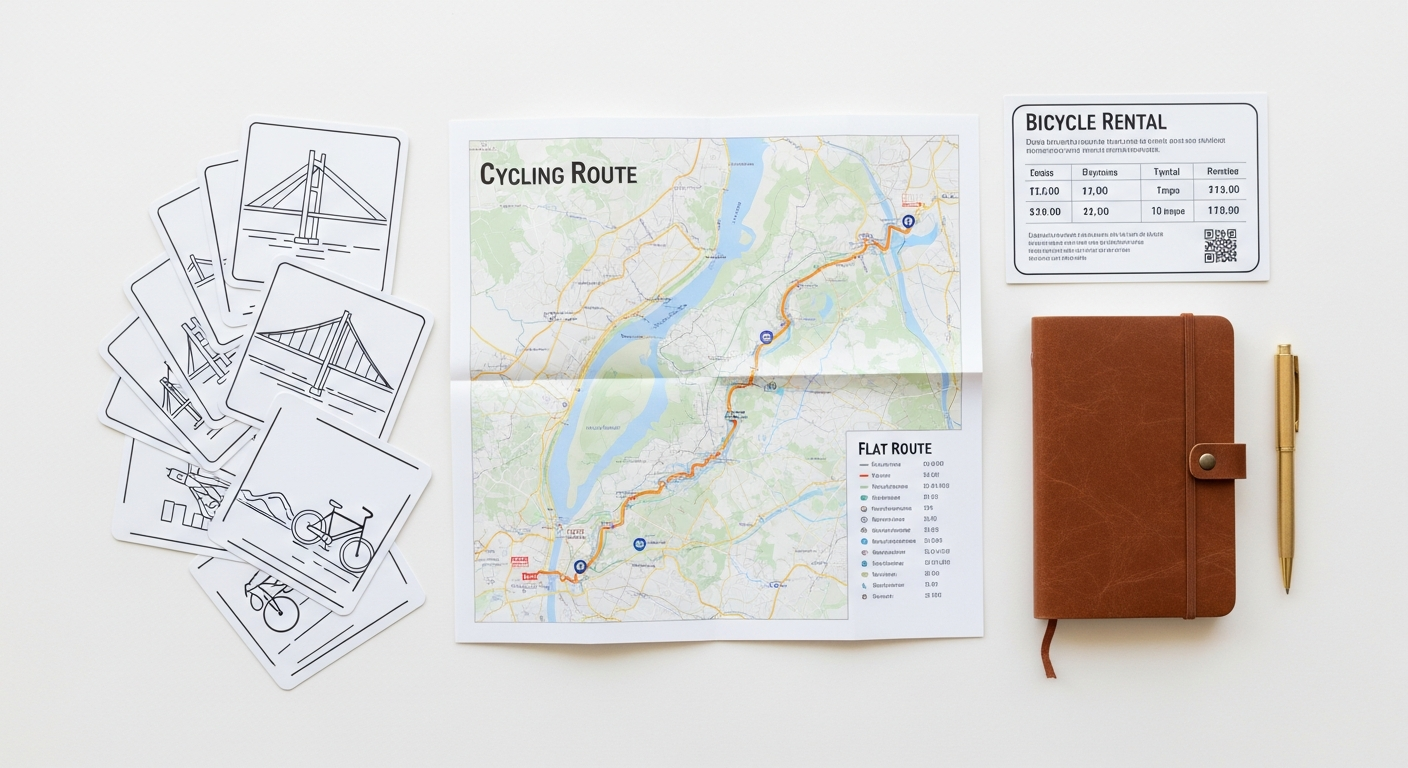
One of the greatest strengths of the Shimanami Kaido is its robust support system for cyclists, making it accessible even for those who don’t bring their own bikes. Understanding the rental options, terminal locations, and available services is crucial for a smooth journey.
Public Cycle Rentals (Shimanami Cycle)
The official Shimanami Cycle network offers the most flexible and widespread rental service.
- Terminals: There are over 10 public cycle terminals strategically located at key points along the route, including both Onomichi and Imabari ends, and on most islands. Major terminals include Onomichi Port, Shimanami Cycle (near Onomichi Station), Sunrise Itoyama (Imabari), and terminals on Ikuchijima (Setoda Tourist Information Center) and Oshima (Yoshiumi Iki-iki Kan).
- Bike Types: Standard city bikes, cross bikes (hybrid), and tandem bikes are available. E-bikes (electric-assist bicycles) are also offered and highly recommended, especially for those less accustomed to long distances or wanting to tackle the bridge approaches with ease.
- Rental Fees (as of 2026 estimates):
- Standard/Cross Bike: JPY 1,100 per day
- E-Bike: JPY 1,600 per day
- Tandem Bike: JPY 1,400 per day
- Child Bike: JPY 300 per day
A refundable deposit of JPY 1,100 per bike is required if you return the bike to a terminal other than where you rented it. If returned to the original terminal, the deposit is usually waived or refunded.
- One-Way Drop-Off: The biggest advantage of the public system is the ability to drop off your bike at any official terminal along the route, making one-way trips or multi-day rides incredibly convenient.
- Booking: Reservations are generally not required for standard bikes but are highly recommended for e-bikes, especially during peak seasons (spring and autumn weekends) due to limited availability. You can often reserve online via the official Shimanami Kaido website.
Private Rental Shops
In addition to the public system, several private shops offer a wider range of high-performance road bikes, mountain bikes, and sometimes even more specialized e-bikes.
- Examples: Giant Store Onomichi (part of Hotel Cycle at U2), Go-Pro Cycling (Imabari).
- Advantages: Better quality bikes, professional fitting, and sometimes additional services like luggage transfer.
- Disadvantages: Often more expensive (JPY 4,000-8,000+ per day), and one-way drop-off might be limited to their own branches or incur higher fees. Reservations are almost always necessary.
Road Conditions, Elevation & Safety
The Shimanami Kaido is celebrated for its excellent road conditions. The dedicated cycling path is well-paved and clearly separated from vehicle traffic for most of the route.
- Blue Line: A continuous blue line painted on the road guides cyclists, indicating the distance to Imabari (or Onomichi, depending on direction).
- Elevation: The route is generally flat, with the main “climbs” being the gentle, spiral-shaped ramps (or direct ramps for some bridges) leading up to the bridges. These ascents are usually around 3-5% gradient and rarely exceed a few kilometers in length. The highest point on the route is on the bridge approaches. An e-bike makes these sections almost effortless.
- Safety: Japan has a strong cycling culture, and drivers are generally respectful of cyclists. However, always be vigilant, especially when the path merges with local roads or in urban areas. Wear a helmet (often provided with rentals) and use lights if cycling near dusk or dawn.
Luggage Transfer Services
For multi-day trips, luggage transfer services are invaluable.
- Sagawakyubin (佐川急便) & Yamato Transport (ヤマト運輸): Major delivery companies offer luggage forwarding. You can drop off your bags at your hotel in Onomichi (or a convenience store) and have them sent to your hotel in Imabari (or vice versa), or to an intermediate island hotel. Prices typically range from JPY 1,500-2,500 per bag, depending on size and destination. It usually takes a day for delivery, so plan accordingly.
- Private Services: Some local cycle shops or guesthouses on the islands also offer their own luggage transfer services, often for a slightly higher fee but with more flexibility.
With these comprehensive support services, cyclists can focus on enjoying the stunning scenery and unique island experiences without worrying about logistics.
Planning Your Trip: Day Trip vs. Overnight & Accommodation
The Shimanami Kaido offers flexibility for various travel styles, from an ambitious single-day sprint to a leisurely multi-day exploration. Your choice will influence your itinerary, accommodation, and the overall pace of your adventure.
Day Trip (70km, 1 Day)
Completing the entire 70km route in one day is certainly achievable for experienced and fit cyclists, or those opting for an e-bike.
- Pace: Requires an early start (by 8-9 AM) and a consistent pace. You’ll have less time for extended stops at attractions.
- Considerations:
- Bike Choice: An e-bike is highly recommended for a relaxed one-day trip, especially if you want to enjoy the scenery without exhaustion.
- Food: Pack snacks and water, and plan quick lunch stops at roadside stations like Yoshiumi Iki-iki Kan on Oshima or Dolce on Ikuchijima.
- Weather: Be mindful of weather conditions. Strong headwinds can significantly increase the challenge.
- Typical Itinerary: Start from Onomichi, ferry to Mukaijima. Cycle through Innoshima, Ikuchijima (quick stop at Kosanji or Dolce), Omishima (quick stop at Oyamazumi Shrine), Hakatajima, Oshima (brief stop at Yoshiumi Iki-iki Kan), then over the Kurushima-Kaikyo Bridge to Imabari. Aim to finish by late afternoon (around 4-5 PM).
Overnight Trip (2 Days / 1 Night)
This is the most popular and highly recommended option, allowing you to fully immerse yourself in the island culture and enjoy the route at a comfortable pace.
- Pace: Split the 70km into two manageable days (e.g., 40km on Day 1, 30km on Day 2). This leaves ample time for sightseeing, dining, and relaxation.
- Accommodation: You’ll spend a night on one of the islands. Popular choices for overnight stays include:
- Ikuchijima (生口島): Offers a good midpoint with several guesthouses and hotels, like the ryokan Azumi Setoda (料金: 約25,000円~) or minshuku (民宿).
- Omishima (大三島): Features peaceful guesthouses and the unique Omishima Furusato Ikoi no Ie (料金: 約5,000円~).
- Hakatajima (伯方島): Has a few hotels and guesthouses.
Booking well in advance is essential, especially during peak seasons.
- Luggage Transfer: Utilize luggage transfer services (e.g., Sagawakyubin or Yamato Transport) to send your main luggage from your starting point directly to your ending point, or to your overnight accommodation.
Multi-Day Trip (3 Days / 2 Nights or more)
For those who want to explore deeply, a longer trip is ideal. This allows for detours, relaxation, and exploring each island’s hidden gems.
- Pace: Very relaxed, allowing for extensive sightseeing, trying local workshops, or even spending half a day at a beach.
- Accommodation: You can stay at different islands each night, experiencing various local charms.
Best Season for Cycling
The Shimanami Kaido is best enjoyed during specific times of the year:
- Spring (March to May): Pleasant temperatures (15-25°C), blooming flowers (cherry blossoms in late March/early April), and generally clear skies. This is peak season, so expect more crowds and book accommodation/e-bikes early.
- Autumn (October to November): Similar to spring with comfortable temperatures (15-23°C), beautiful autumn foliage, and less humidity. Another peak season.
- Summer (June to September): Can be very hot and humid (28-35°C), with a risk of typhoons, especially in August and September. While possible, it requires careful planning, hydration, and starting early in the day.
- Winter (December to February): Cooler temperatures (5-12°C), but generally sunny and less crowded. Some facilities might have reduced hours. Layered clothing is essential.
Ferry Connections for Flexibility
Ferry services are available between Onomichi and Mukaijima, and also for other inter-island connections. These can be useful for:
- Shortcuts: If you’re tired or short on time, some ferries can bypass parts of the cycling route.
- Exploring Off-Route: Accessing islands not directly on the main cycling path.
- Return Journey: If you only want to cycle one way and don’t want to cycle back, buses are available from Imabari to Onomichi, and ferries from Imabari to other cities.
Always check ferry schedules in advance, as they can be infrequent, especially on smaller routes. With careful planning, your Shimanami Kaido trip can be tailored to be as adventurous or as leisurely as you desire.
Beyond the Bike: Food, Culture & Local Experiences
While the cycling itself is a major draw, the Shimanami Kaido offers a rich tapestry of culinary delights, cultural immersion, and unique local experiences that truly elevate the journey. Don’t just ride through; stop and savor what the Seto Inland Sea has to offer.
Culinary Delights
The Setouchi region is renowned for its fresh seafood and abundant citrus fruits.
- Seafood BBQ at Yoshiumi Iki-iki Kan (よしうみいきいき館): Located at the base of the Kurushima-Kaikyo Bridge on Oshima, this roadside station is a must-visit. You can select fresh seafood directly from the market (like scallops, prawns, turban shells, and various fish) and grill it yourself at outdoor tables. It’s a lively and delicious experience. Expect to pay around JPY 2,000-4,000 per person depending on your appetite.
- Onomichi Ramen (尾道ラーメン): Before or after your ride, indulge in Onomichi’s famous ramen. Characterized by a soy sauce-based broth, flat noodles, and distinctive pork backfat (seabura), it’s a hearty and flavorful dish. Look for popular shops like Shukaen (朱華園) or Tsutafuji (つたふじ) in Onomichi. Prices typically range from JPY 700-1,000.
- Citrus Fruits & Products: The islands, especially Ikuchijima and Omishima, are citrus paradises. Sample fresh lemons, mandarins (mikan), and other seasonal varieties. Many shops sell citrus-flavored products like jams, juices, and sweets. Dolce Ice Cream (ドルチェ) on Ikuchijima is legendary for its lemon and mandarin gelato (JPY 400-500).
- Takoyaki & Okonomiyaki: While more associated with Osaka and Hiroshima respectively, you’ll find local variations of these savory Japanese snacks in the region, perfect for a quick energy boost.
- Local Sake & Shochu: The region also produces excellent sake and shochu. Consider visiting a local brewery or tasting some regional specialties at a restaurant.
Cultural & Historical Immersion
The islands are steeped in history and tradition.
- Kosanji Temple (耕三寺) & The Hill of Hope (未来心の丘) on Ikuchijima: As mentioned, this temple complex is an architectural marvel. The stunning “Hill of Hope” is a vast, all-white marble garden and sculpture park, offering a surreal and beautiful contrast to the traditional temple grounds. Spend at least an hour exploring.
- Oyamazumi Shrine (大山祇神社) on Omishima: This ancient shrine is not only spiritually significant but also a historical treasure trove. Its treasury museum houses an incredible collection of samurai armor and weapons, including many National Treasures and Important Cultural Properties. It’s a fascinating glimpse into Japan’s warrior past.
- Innoshima Suigun Castle (因島水軍城) on Innoshima: Learn about the Murakami Suigun, the powerful pirate clan that once controlled these waters. The castle offers great views and insights into their history and naval prowess.
- Onomichi’s Temple Walk: If starting from Onomichi, dedicate half a day to the “Temple Walk” (お寺巡り). This scenic path winds through 25 temples nestled on the hillsides, offering stunning views and a tranquil atmosphere. Senkoji Temple (千光寺) is a highlight, accessible by ropeway (JPY 500 one-way, JPY 800 round trip).
Unique Local Experiences
- Dolphin Farm Shimanami (ドルフィンファームしまなみ) on Hakatajima: For an unforgettable experience, visit this facility where you can interact with dolphins. Options range from simply observing to feeding or even swimming with them (booking essential, prices vary from JPY 1,000 to JPY 10,000+).
- Salt Production on Hakatajima: Learn about the traditional methods of salt production that Hakatajima is famous for. Many local shops sell “Hakata no Shio” (伯方の塩), a renowned sea salt.
- Art & Architecture:
The Onomichi Guide editorial team has spent years cycling the Seto Inland Sea region, eating their way through Onomichi’s ramen shops, and exploring Hiroshima Prefecture’s hidden corners. Our guides are written from first-hand experience and updated regularly to reflect current conditions and prices.
Frequently Asked Questions
How long does it take to cycle the full Shimanami Kaido route?
Cycling the full 70km Shimanami Kaido route takes approximately 6–8 hours for most cyclists at a moderate pace. With an e-bike, plan for 4–5 hours of riding time.
Can I rent an e-bike on the Shimanami Kaido?
Yes. E-bikes are available at the major rental terminals including Onomichi, Imabari, and several island rest stops. Prices vary by terminal; check the official terminal for current rates (generally higher at Onomichi vs smaller island stops). E-bikes are more expensive than standard rentals.
Where is the best place to start the Shimanami Kaido?
Most cyclists start from Onomichi (Hiroshima side) where the Onomichi Cycling Terminal near the ferry pier offers full-service rentals. Imabari is the Ehime-side alternative for a south-to-north route.
Is the Shimanami Kaido route suitable for families with children?
Yes. The dedicated cycling lanes and flat-to-gentle island stretches make it family-friendly. The Oshima–Hakata section is especially gentle. E-bikes and child seats are available at major terminals.
Can I do Shimanami Kaido in one day?
Experienced cyclists can complete the full route in one long day. Most visitors prefer 2 days with an overnight stay on one of the islands for a more relaxed experience. A popular option is cycling one way and returning by bus or ferry.
What is the best season to cycle the Shimanami Kaido?
Spring (March–May) and autumn (September–November) are ideal — mild temperatures, low humidity, and scenic cherry blossom or autumn foliage. Summer can be hot and humid; winter is cool but mostly clear.