Tomonoura: A Timeless Hiroshima Gem – Your Ultimate Guide to This Enchanting Fishing Village
Why Tomonoura is a Must-Visit Day Trip from Onomichi
Tomonoura is more than just a pretty face; it’s a designated Japan Heritage site, recognized for its exceptional preservation of an Edo-period port townscape. For centuries, it flourished as a vital port of call for ships navigating the treacherous Seto Inland Sea, offering shelter from storms and serving as a bustling hub for trade and cultural exchange. This rich history is palpable in every cobblestone street, every traditional wooden house, and every salty breeze that drifts in from the harbor.
What makes Tomonoura truly special for us at Onomichi Guide is its unique blend of historical significance and breathtaking natural beauty. While Onomichi offers its own brand of nostalgic charm with its temples and cat-filled alleys, Tomonoura presents a distinct coastal allure, famed for its iconic Joyato Lighthouse standing proudly against the backdrop of Bentenshima Island and the shimmering sea.
Beyond its historical credentials, Tomonoura has captivated artists and filmmakers alike. It famously served as a key inspiration for Hayao Miyazaki’s beloved Studio Ghibli film, “Ponyo on the Cliff by the Sea,” with its vibrant harbor and serene atmosphere perfectly echoing the film’s whimsical setting. It also features prominently in Hollywood productions and Japanese dramas, further cementing its status as a place of profound beauty and cultural resonance. A visit here is a journey back in time, offering a peaceful counterpoint to the more bustling urban centers, and a perfect complement to your Onomichi adventures.
Getting to Tomonoura: Your Journey from Onomichi (and Beyond)
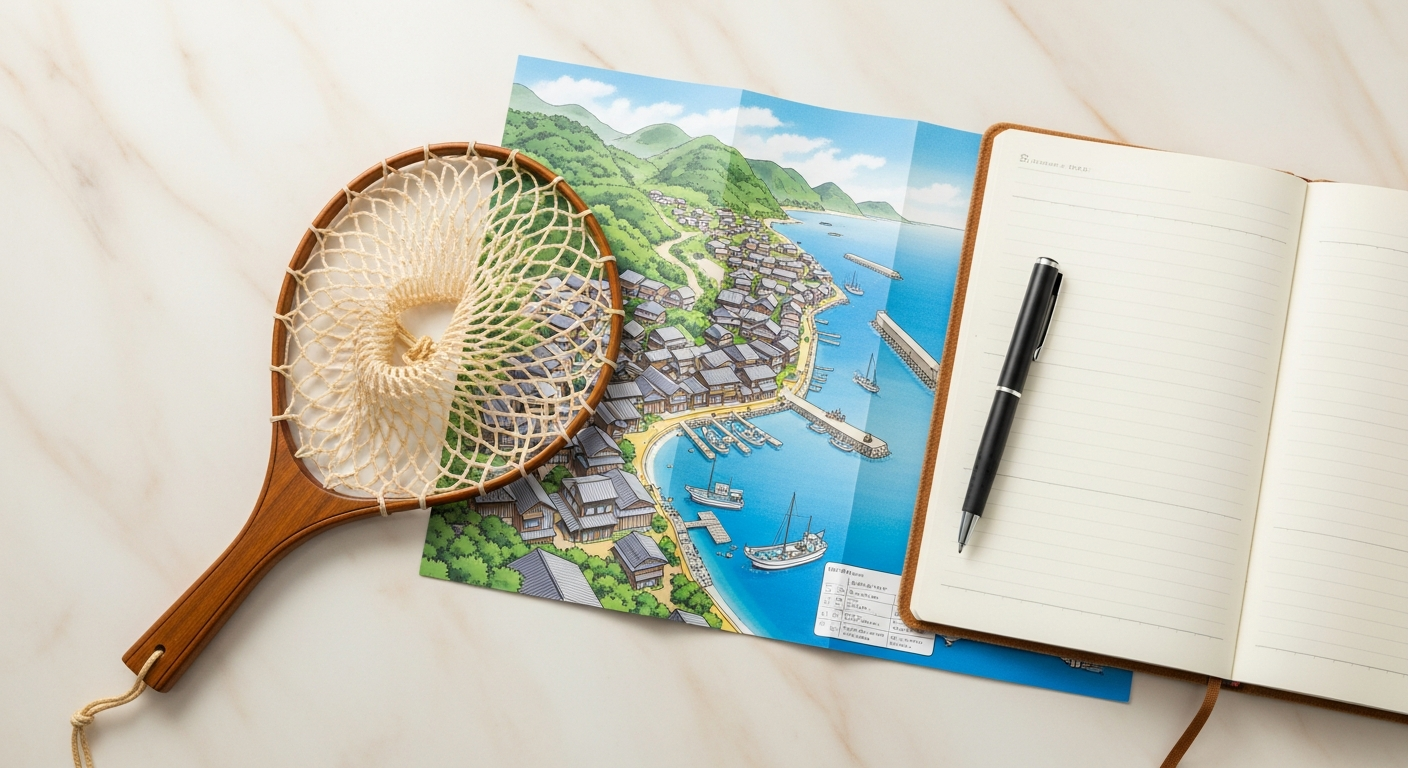
Getting to Tomonoura from Onomichi is straightforward, making it an ideal day trip. The journey itself is part of the experience, offering glimpses of the beautiful Seto Inland Sea coastline.
From Onomichi (and other major cities) to Fukuyama Station:
Your primary hub for reaching Tomonoura is Fukuyama Station.
* From Onomichi Station: Take the JR Sanyo Line local or rapid train eastward to Fukuyama Station. This journey typically takes about 20-25 minutes. The cost is approximately 420-590 yen, depending on the specific train and service. Trains are frequent throughout the day.
* From Hiroshima City: Take the JR Sanyo Shinkansen (bullet train) from Hiroshima Station to Fukuyama Station. This is a quick 25-30 minute ride.
* From Osaka/Kyoto: Take the JR Sanyo Shinkansen to Fukuyama Station. This journey takes approximately 1 hour 30 minutes from Shin-Osaka or 1 hour 50 minutes from Kyoto.
From Fukuyama Station to Tomonoura:
Once you arrive at Fukuyama Station, head to the South Exit. Here you’ll find the bus terminal.
* Bus Service: Look for the Tomotetsu Bus bound for “Tomonoura” (鞆の浦) or “Tomoko” (鞆港).
* Departure Point: Buses typically depart from bus stop #5 at the South Exit of Fukuyama Station.
* Duration: The bus ride to Tomonoura takes approximately 30-40 minutes, depending on traffic.
* Cost: The one-way fare is around 560 yen (as of current information).
* Key Bus Stops in Tomonoura: The bus makes several stops within Tomonoura. The most central stops for exploring are “Tomonoura” (鞆の浦) or “Tomoko” (鞆港), which are right by the main harbor and attractions. “Ota-ya-mae” (太田家前) is also a good stop if you plan to visit the Ota House first.
* Frequency: Buses run quite frequently, usually every 15-20 minutes during peak hours.
Local Tip for Bus Travel: If you plan on doing a lot of hopping on and off the bus in the Fukuyama area (though less likely for a direct Tomonoura trip), you might consider a one-day bus pass. Otherwise, simply paying cash or using an IC card (like Suica, Pasmo, ICOCA) is convenient.
Driving to Tomonoura:
If you have a rental car, driving to Tomonoura is an option. The scenic drive along the coast is lovely.
* Parking: There are several public parking lots available in Tomonoura, primarily near the main harbor area. Look for signs indicating “駐車場” (chushajo). Costs typically range from 300-500 yen for the first hour, with additional charges per hour or a flat daily rate. Parking can fill up quickly on weekends and holidays, so arrive early if driving.
The total travel time from Onomichi to Tomonoura (including the train and bus) is roughly 1 hour to 1 hour 15 minutes, making it a perfectly manageable day trip.
Exploring Tomonoura’s Timeless Charm: Top Sights and Experiences
Tomonoura is a village best explored on foot, allowing you to wander its narrow alleys and discover hidden gems at your own pace. Here are the must-see sights and experiences:
The Iconic Joyato Lighthouse (常夜灯)
The most recognizable symbol of Tomonoura, this Edo-period stone lighthouse stands majestically at the mouth of the harbor. Built in 1859, it guided countless ships safely into port. It’s an absolute photographer’s dream, especially at sunset when its silhouette is cast against the glowing sky. You’ll find yourself drawn to it again and again.
Ota House (太田家住宅, Ota-ke Kyutei)
Stepping into the Ota House is like stepping back in time. This beautifully preserved former residence of the Ota family, prominent merchants who made their fortune through brewing Homeishu (Tomonoura’s unique herbal liqueur) and shipping, is an important cultural property.
* What to see: Explore the traditional Japanese architecture, the serene gardens, and learn about the Homeishu brewing process. The sheer scale and intricate details of the house are impressive.
* Address: 843 Tomo, Tomo-cho, Fukuyama, Hiroshima. (It’s well-signposted near the harbor).
* Opening Hours: Typically 10:00 AM – 5:00 PM (last entry 4:30 PM). Closed on Tuesdays (or the following day if Tuesday is a national holiday). Always check current hours before visiting.
* Cost: Around 400-500 yen for admission.
Fukuzenji Temple & Taichoro (福禅寺 対潮楼)
Perched on a hill overlooking the harbor, Fukuzenji Temple offers one of the most breathtaking views in Tomonoura, particularly from its reception hall, Taichoro. This modest temple gained fame for hosting Korean envoys during the Edo period, who were so moved by the vista that they declared it “the most beautiful scenery in Japan.”
* What to see: The “borrowed scenery” (shakkei) from the Taichoro hall, framed by the traditional architecture, is truly spectacular, encompassing Bentenshima Island, Sensuijima Island, and the vast expanse of the Seto Inland Sea. It’s a view that has remained largely unchanged for centuries.
* Address: 2 Tomo, Tomo-cho, Fukuyama, Hiroshima.
* Opening Hours: Generally 8:00 AM – 5:00 PM.
* Cost: Around 200-300 yen for entry to the Taichoro.
Irohamaru Exhibition Hall (いろは丸展示館)
Dive into a dramatic chapter of Japanese history involving Sakamoto Ryoma, a pivotal figure in the Meiji Restoration. This small museum commemorates the Irohamaru, a ship chartered by Ryoma’s Kaientai naval company, which sank off the coast of Tomonoura after colliding with another vessel in 1867.
* What to see: The museum displays artifacts recovered from the shipwreck, including Ryoma’s pistol, and tells the story of the incident and the subsequent negotiations. It’s a fascinating glimpse into a turbulent period.
* Address: 1120 Tomo, Tomo-cho, Fukuyama, Hiroshima.
* Opening Hours: Usually 10:00 AM – 5:00 PM. Closed on Tuesdays.
* Cost: Around 200 yen.
Wandering the Shionomichi (塩の道 – Salt Road)
Beyond the main attractions, simply wandering the narrow, stone-paved alleys of Tomonoura is an experience in itself. The Shionomichi, or “Salt Road,” is particularly charming, lined with traditional wooden houses, small shops, and cafes. It gives you a real sense of the village’s historic atmosphere. Don’t be afraid to get a little lost – you’ll often stumble upon hidden temples, quaint gardens, or artisan workshops.
Bentenshima Island (弁天島)
This tiny, picturesque island just off the harbor is crowned with a vibrant red shrine (Benten-do Hall). It’s a popular subject for photographers. During low tide, you can often walk across to the island, offering a different perspective of the harbor. Otherwise, it’s a very short boat ride.
Local Tip for Exploring: Tomonoura’s charm lies in its winding streets and hilly sections. Wear comfortable walking shoes, and be prepared for some uphill climbs to reach viewpoints like Fukuzenji Temple. Allow yourself plenty of time to simply meander and soak in the atmosphere – that’s when the true magic of Tomonoura reveals itself.
Savoring Tomonoura: Culinary Delights and Local Specialties
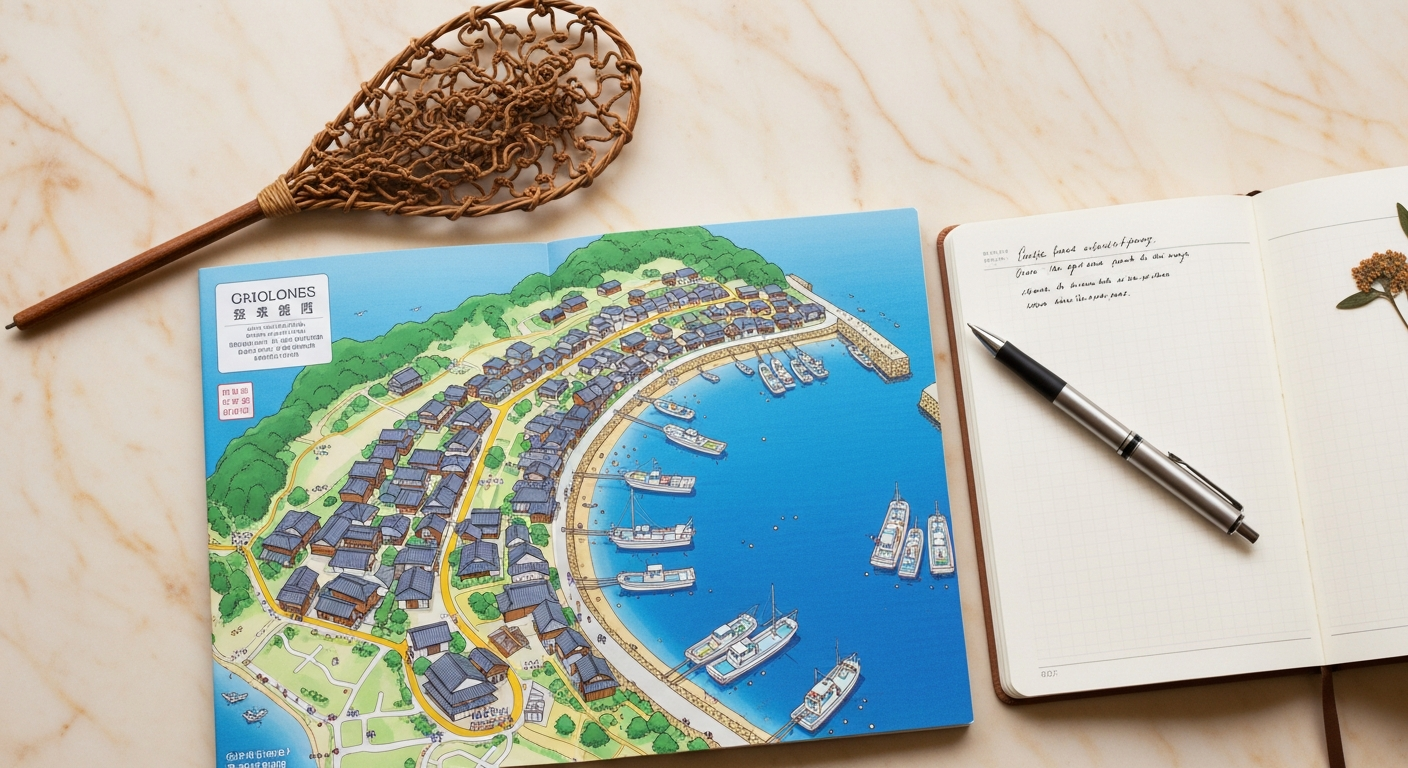
A trip to Tomonoura isn’t complete without indulging in its local flavors. Given its heritage as a fishing village, seafood is, naturally, king here.
Fresh Seafood: The Bounty of the Seto Inland Sea
Tomonoura is particularly famous for its “Tai” (sea bream), especially during the spring spawning season (April to May) when “Tai Ami” (traditional sea bream netting) demonstrations used to take place (though now less frequent).
* Must-Try Dishes: Look out for “Tai-meshi” (sea bream rice), where the seasoned rice is cooked with sea bream, or “Tai Chazuke” (sea bream over rice with hot tea or broth poured over it). Fresh sashimi, grilled fish, and other seasonal seafood dishes are also widely available at the local restaurants.
* Where to Eat: Several eateries around the port area specialize in fresh seafood. Look for places like Ganju (がんじゅ) or smaller, family-run establishments that often have daily specials based on the morning’s catch. Don’t be afraid to try a small, unassuming spot – they often serve the most authentic local flavors.
Homeishu (保命酒): Tomonoura’s Unique Herbal Liqueur
This is Tomonoura’s signature local product, a sweet, amber-colored herbal liqueur that has been produced here for over 350 years. Made with 16 kinds of medicinal herbs, it was historically consumed for its health benefits and even given to feudal lords as a tonic.
* Where to Buy/Taste: You can purchase Homeishu at several historic shops around the village. Irieya (入江豊三郎本店) and Hozanji Temple’s shop (保命酒屋) are two prominent purveyors. Many shops offer free samples, so you can try it before you buy. It makes for a unique souvenir!
* Flavor Profile: It has a distinct herbal, slightly sweet, and warming flavor, often compared to a Japanese version of port wine or an herbal digestif. It can be enjoyed neat, on the rocks, or even mixed with soda.
Charming Cafes and Sweets
Tomonoura also boasts a growing number of charming cafes, often housed in renovated traditional buildings, perfect for a coffee break or a sweet treat.
* Ote-ya Cafe: Located close to the Ota House, this cafe offers a delightful atmosphere in a traditional setting, serving coffee, tea, and light snacks.
* Local Sweets: Keep an eye out for local wagashi (Japanese sweets) that might incorporate local ingredients or themes.
Local Tip for Foodies: If you’re visiting in spring, specifically May, inquire if there are any “Tai Ami” (sea bream netting) events or special sea bream menus being offered. While the large-scale traditional netting is rare, some restaurants might highlight the seasonal delicacy. Otherwise, any time of year offers delicious fresh seafood!
Beyond the Main Sights: Deeper Dives and Insider Tips
To truly experience Tomonoura, consider venturing slightly off the main paths or extending your stay.
Sensuijima Island (仙酔島): A Natural Paradise
Just a five-minute ferry ride from Tomonoura port lies Sensuijima Island, a designated national park renowned for its untouched nature and unique geological formations, particularly the “Goshiki-iwa” (Five-Color Rocks).
* Getting There: The “Sensuijima-go” ferry departs frequently (approximately every 20 minutes) from a small terminal near the Joyato Lighthouse.
* Cost: Around 240 yen one-way (check current prices).
* What to Do: Explore walking trails that wind through lush forests and along pristine beaches. Enjoy panoramic views back towards Tomonoura. There are also a few traditional Japanese inns (ryokan) on the island that offer hot springs (onsen) and day-use options. It’s a wonderful place for nature lovers and offers a different perspective of the Seto Inland Sea.
Consider an Overnight Stay
While Tomonoura is a fantastic day trip, staying overnight in one of its traditional ryokan or minshuku (guesthouses) allows for a deeper immersion. Imagine waking up to the sounds of the harbor, enjoying a traditional Japanese breakfast, and exploring the quiet streets before the day-trippers arrive. It provides a truly tranquil and authentic experience. Many accommodations also offer delicious multi-course kaiseki meals featuring local seafood.
Seasonal Festivals and Events
Tomonoura hosts several local festivals throughout the year. The Port Festival (Tomonoura Port Festival), usually held in spring, is a lively event with traditional performances and stalls. Check local tourism websites closer to your visit for specific dates and details.
Photography Hotspots
Beyond the Joyato Lighthouse at sunset, seek out:
* Narrow alleys: The interplay of light and shadow on the old wooden buildings.
* Temple grounds: The serene gardens and intricate architecture.
* Views from Fukuzenji Temple: Especially from the Taichoro.
* From Sensuijima Island: Panoramic views of Tomonoura and the surrounding sea.
Souvenirs to Bring Home
* Homeishu: A must-buy for its unique taste and historical significance.
* Local crafts: Look for small artisanal shops selling pottery, textiles, or other handmade items.
* Dried seafood: A common souvenir from any Japanese fishing village, perfect for adding flavor to your cooking.
Accessibility Note: While the main harbor area of Tomonoura is relatively flat and walkable, many of the charming side streets, temple approaches, and some shops involve stairs, steep inclines, or uneven cobblestone paths. This might pose challenges for strollers or wheelchairs. Sensuijima Island’s trails are also generally not wheelchair-friendly. Plan accordingly if you have mobility concerns.