A Profound Journey: Your Comprehensive Guide to Visiting the Hiroshima Peace Memorial Museum from Onomichi
Why Visit the Hiroshima Peace Memorial Museum?
The Hiroshima Peace Memorial Museum stands as a stark, yet crucial, reminder of the devastating power of nuclear weapons and the immense human suffering they inflict. It serves not only as a memorial to the victims of the atomic bombing on August 6, 1945, but also as a powerful educational institution advocating for global peace and the abolition of nuclear arms. For many, stepping into the museum is a transformative experience, offering a visceral understanding of history that textbooks simply cannot convey.
Quick Facts: Hiroshima Peace Memorial Museum
| Address | 1-2 Nakajima-cho, Naka-ku, Hiroshima 730-0811 |
| Admission | Adults ¥200 | High school ¥100 | Junior high & under: free | Audio guide ¥400 |
| Opening hours | 8:30 AM (varies seasonally to 5–7 PM) | Closed Dec 30–31 |
| From Onomichi | JR Sanyo Line ~1h 40min, ¥1,520 → tram Line 2/6 to Genbaku Dome-mae (¥220) |
| Time to allocate | 3–4 hours minimum (museum + park monuments) |
| Atomic Bomb Dome | UNESCO World Heritage Site (inscribed 1996) |
| The bombing | August 6, 1945, 8:15 AM | “Little Boy” uranium bomb | ~15 kilotons |
Beyond the historical context, a visit to the museum offers a unique opportunity for introspection. It challenges us to confront difficult truths, to empathize with those who endured unimaginable pain, and to consider our collective responsibility in building a future free from such horrors. It’s a place where the past speaks directly to the present, urging us to learn from history and work towards a more peaceful world. While the exhibits are undeniably somber and emotionally intense, the museum’s ultimate message is one of hope – hope for a future where Hiroshima’s tragedy is never repeated, and where peace prevails.
Getting There: Your Journey from Onomichi to Hiroshima Peace Memorial Park
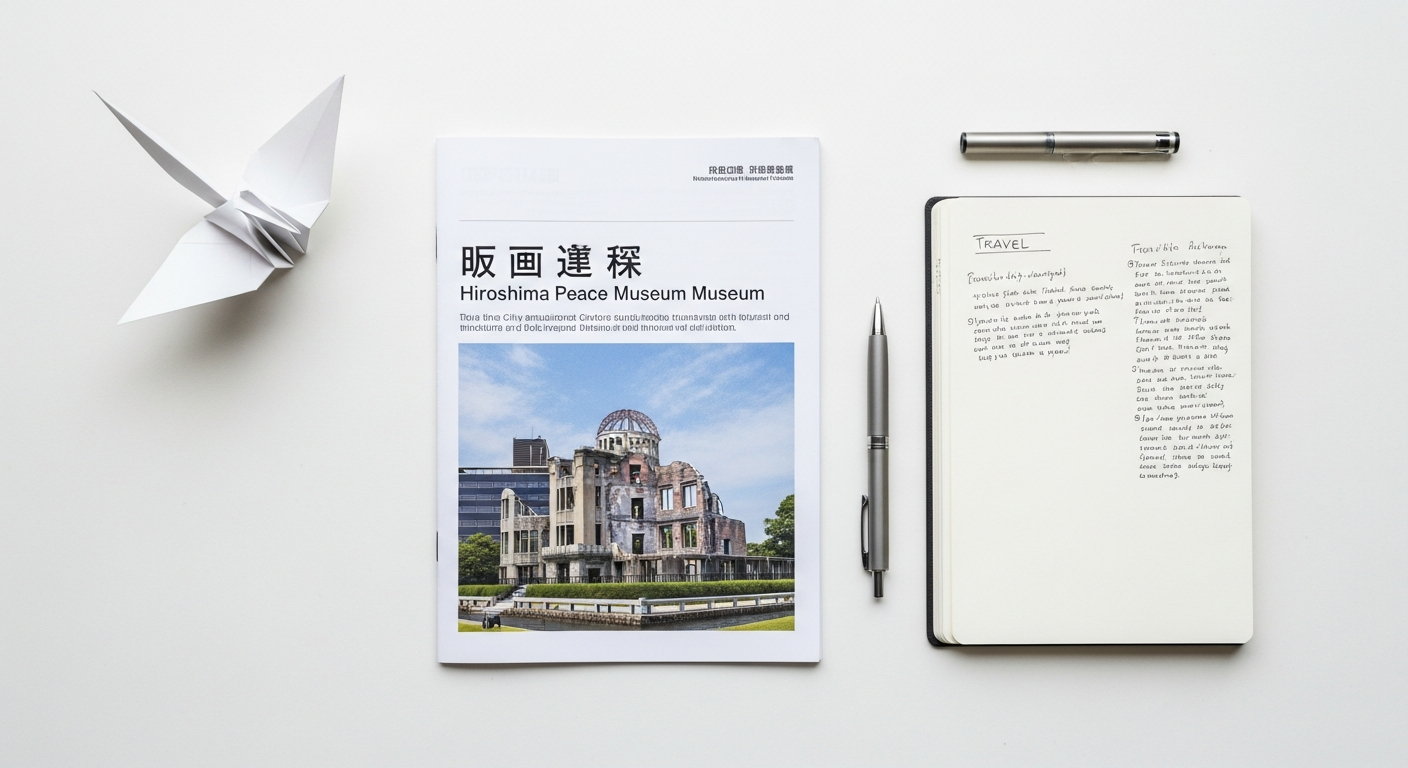
Embarking on a day trip from Onomichi to Hiroshima is straightforward, offering several convenient options to suit your budget and schedule. Here’s how to make the journey:
From Onomichi to Hiroshima Station
1. By JR Sanyo Main Line (Local/Rapid Trains):
* Departure: Onomichi Station (尾道駅)
* Destination: Hiroshima Station (広島駅)
* Travel Time: Approximately 1 hour 15 minutes to 1 hour 40 minutes, depending on the number of stops. Rapid trains like the “Commuter Liner” or “Aqua Liner” will be faster.
* Cost: Around ¥1,520 (one-way).
* Local Tip: This is generally the most economical and popular option for a day trip. Trains are frequent, so you won’t have long to wait. Ensure you board a train bound for Hiroshima or one that makes a connection that leads there.
2. By Shinkansen (Bullet Train):
* Departure: Shin-Onomichi Station (新尾道駅)
* Destination: Hiroshima Station (広島駅)
* Travel Time: A speedy 20-30 minutes on a Kodama or Hikari Shinkansen.
* Cost: Around ¥2,640 for a non-reserved seat (one-way), plus the ¥210 local train fare from Onomichi Station to Shin-Onomichi Station (or a short taxi ride).
* Local Tip: While faster, Shin-Onomichi Station is a bit out of the way from central Onomichi, making the total travel time from Onomichi Station not significantly shorter than the rapid JR Sanyo Line, especially when factoring in the transfer. It’s a good option if you have a Japan Rail Pass and value speed above all else, but for a one-off trip, the local line is often more practical.
From Hiroshima Station to Peace Memorial Park
Once you arrive at Hiroshima Station, getting to the Peace Memorial Park (and the museum within it) is easy:
1. Hiroshima Sightseeing Loop Bus (Meipuru~pu bus):
* Departure: North Exit (Shinkansen Exit) of Hiroshima Station.
* Route: There are several routes (orange, green, lemon, blue), but the Orange Route or Green Route will take you directly to the Peace Memorial Park. Look for stops like “Peace Memorial Park (Heiwa Kinen Koen)” or “Atomic Bomb Dome (Genbaku Dome-mae)”.
* Travel Time: Approximately 15-20 minutes.
* Cost: ¥200 per ride, or free with a Japan Rail Pass.
* Local Tip: This is an excellent option for tourists as it’s designed to hit all the major sights. The buses are comfortable and offer English announcements.
2. Hiroshima Streetcar (Tram):
* Departure: Tram stop directly outside the South Exit of Hiroshima Station.
* Lines: Take Line 2 (Miyajima-guchi bound) or Line 6 (Eba bound).
* Destination: Get off at the “Genbaku Dome-mae” (Atomic Bomb Dome) stop. The Peace Memorial Park is just across the street.
* Travel Time: Approximately 15-20 minutes.
* Cost: Flat fare of ¥220 (pay when you exit).
* Local Tip: The streetcar is an iconic part of Hiroshima and very efficient. Have exact change ready for the fare box, or use your IC card (Suica, Pasmo, etc.).
3. Taxi:
* Departure: Taxi stands are available at both the North and South exits of Hiroshima Station.
* Travel Time: Approximately 10-15 minutes, depending on traffic.
* Cost: Roughly ¥1,000-¥1,500.
* Local Tip: A good option if you’re traveling in a group or have heavy luggage, but generally not necessary given the excellent public transport.
4. Walk:
* Travel Time: Approximately 30-40 minutes from Hiroshima Station.
* Local Tip: While feasible, it’s a bit of a walk, and you might want to conserve your energy for exploring the park and museum itself.
Considering all options, taking the JR Sanyo Line from Onomichi to Hiroshima Station, and then either the Meipuru~pu bus or streetcar to the Peace Memorial Park, offers the best balance of cost, convenience, and travel experience for most visitors.
Navigating the Hiroshima Peace Memorial Park & Museum Complex
The Hiroshima Peace Memorial Museum is nestled within the sprawling and serene Peace Memorial Park, itself a significant site of remembrance and reflection. It’s important to understand the layout to fully appreciate your visit.
Overview of the Peace Memorial Park
Before or after entering the museum, take time to walk through the park. Each monument and structure holds deep meaning:
* Atomic Bomb Dome (Genbaku Dome): Located just across the Motoyasu River from the main park area, this skeletal ruin is the most iconic symbol of Hiroshima. It was the only structure near the hypocenter to remain partially standing after the blast, intentionally preserved as a stark reminder of the bomb’s destructive power. Its presence is incredibly moving.
* Peace Memorial Hall for the Atomic Bomb Victims: An underground hall with a list of all known A-bomb victims, continually updated. Its solemn atmosphere and “Hall of Remembrance” offer a quiet space for reflection.
* Children’s Peace Monument: Dedicated to Sadako Sasaki and the thousands of child victims. Visitors from around the world send paper cranes (senbazuru) as symbols of peace, which are displayed here. It’s a poignant and often colorful sight.
* Cenotaph for the A-bomb Victims: This arch-shaped monument frames the Flame of Peace and the Atomic Bomb Dome in the distance. It contains a stone chest with the names of all known victims and bears the inscription: “Let all the souls here rest in peace, for we shall not repeat the evil.”
* Flame of Peace: Lit in 1964, this flame will continue to burn until all nuclear weapons are abolished from the world.
* Peace Bell: Ring the bell for world peace. The sound is clear and resonant, echoing the park’s message.
* Rest House: Located near the Atomic Bomb Dome, this building houses a tourist information center, souvenir shop, and a café. Interestingly, it was one of the few buildings near the hypocenter that remained somewhat intact, and a survivor from inside the building is featured in some museum exhibits.
The Museum Layout: East Building and Main Building
The Hiroshima Peace Memorial Museum itself is comprised of two main buildings:
1. East Building (Exhibition Building):
* This building serves as the entry point and provides crucial context. It focuses on the history of Hiroshima before the bombing, the events leading up to World War II, the development of the atomic bomb, and the decision to use it.
* You’ll find detailed explanations of the city’s wartime role, life during that period, and the scientific background of nuclear weapons.
* It also contains a library, an information center, and a video room where survivor testimonies are often screened.
2. Main Building:
* Connected to the East Building by a walkway, this is where the most impactful and emotionally challenging exhibits are located.
* It showcases the immediate aftermath of the bombing, displaying personal belongings of victims, melted objects, and haunting photographs of the devastation.
* The exhibits here graphically depict the suffering of the victims, the long-term effects of radiation, and the global movement for nuclear disarmament.
Local Tip for Flow: Most visitors start in the East Building to gain historical context, then proceed to the Main Building for the more personal and emotionally intense exhibits. This flow allows for a gradual immersion into the story. Allocate at least 2-3 hours for a comprehensive visit to the museum, not including time spent in the park.
What to Expect Inside: A Deeper Look at the Exhibits
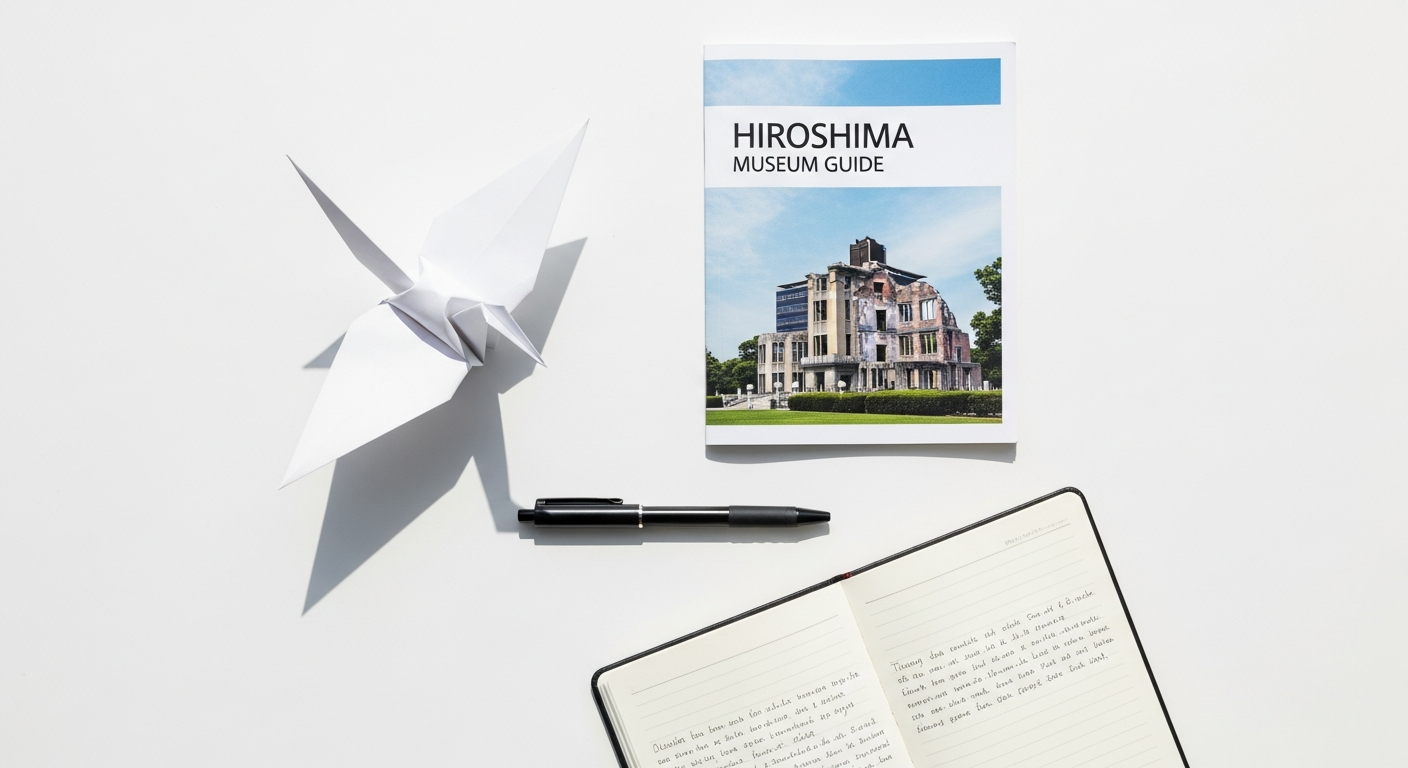
Prepare yourself for a powerful and often distressing experience inside the Hiroshima Peace Memorial Museum. The exhibits are thoughtfully curated but unflinchingly honest in their portrayal of the atomic bombing’s impact.
East Building: Setting the Stage
As you begin your journey in the East Building, you’ll first encounter exhibits that provide essential historical background:
* Pre-War Hiroshima: Learn about Hiroshima’s vibrant history as a castle town and its strategic importance as a military hub during World War II. You’ll see models and photos depicting the city’s appearance before the bombing, offering a stark contrast to what was to come.
* The Pacific War and the Atomic Bomb: Understand the broader context of World War II, Japan’s role, and the development of the atomic bomb by the Manhattan Project. Detailed explanations cover the scientific principles, the decision-making process by the Allied powers, and why Hiroshima was chosen as the target.
* The Day of the Bombing: Exhibits recreate the conditions on the morning of August 6, 1945. You’ll learn about the Enola Gay’s mission, the B-29’s flight path, and the moment the “Little Boy” bomb was dropped.
Survivor Testimonies: Videos and interactive displays feature testimonies from hibakusha* (atomic bomb survivors), sharing their personal accounts of that fateful day and its aftermath. These are incredibly powerful and provide a human face to the statistics.
Main Building: The Unflinching Reality
The Main Building is where the true horror and human cost of the atomic bombing are laid bare. It is designed to evoke strong emotions and convey the scale of the tragedy:
* The Flash and the Blast: Exhibits vividly describe the immediate effects of the bomb – the blinding flash, the intense heat rays (reaching thousands of degrees Celsius), and the devastating blast wave that flattened everything within a radius of several kilometers. You’ll see melted roof tiles, warped metal, and shadows of vaporized victims etched into stone.
* Personal Artifacts: This section is perhaps the most gut-wrenching. Displayed are the charred clothing of children, a lunchbox with carbonized contents, a melted tricycle, and watches stopped at 8:15 AM – the exact moment of the blast. Each item tells a silent, tragic story of a life abruptly ended or forever altered.
* Human Suffering and Medical Effects: Photographs, models, and written accounts depict the horrific injuries sustained by survivors, including severe burns, radiation sickness, and the long-term health consequences like leukemia and other cancers. The sheer scale of death and suffering, often without immediate medical care, is difficult to comprehend.
* The City Aftermath: Before and after photographs show the complete devastation of Hiroshima, reduced to rubble and ash. Models illustrate the extent of the destruction.
* The Plea for Peace: The final section shifts focus to the survivors’ enduring message of peace and nuclear disarmament. It highlights the efforts of Hiroshima to become a “City of Peace” and calls for a world free from nuclear weapons. This provides a crucial sense of purpose and hope after the profound sorrow.
Emotional Impact and Preparation
Visiting the museum is an intensely emotional experience. Many visitors find themselves shedding tears, feeling overwhelmed, or experiencing a deep sense of sadness and reflection.
* Prepare Yourself: Understand that the content is graphic and disturbing. It is not designed to be sensational, but rather to present the unvarnished truth of what happened.
* Take Your Time: Don’t rush through the exhibits. Allow yourself moments to pause, reflect, and absorb the information. There are benches throughout the museum if you need to sit.
* Audio Guides: I cannot recommend the audio guide enough (available for ¥400). It provides in-depth explanations, survivor testimonies, and a narrative flow in multiple languages (English, Japanese, Chinese, Korean, French, Spanish, German, Italian, Russian, Arabic, Portuguese). It significantly enhances the understanding and personal connection to the exhibits.
* Photography: Photography is generally permitted in designated areas, but often restricted in the most sensitive exhibits (e.g., personal artifacts). Always look for signs and be respectful. Flash photography is usually prohibited. When taking photos, do so with reverence, remembering that you are in a memorial.
Allow at least 2 to 3 hours inside the museum itself, and additional time to explore the Peace Memorial Park. This is not a place to rush through; it is a place to learn, to mourn, and to hope.
Practical Information for Your Visit
To help you plan your deeply meaningful visit, here are the essential practical details:
* Address: 1-2 Nakajima-cho, Naka-ku, Hiroshima City, Hiroshima Prefecture, 730-0811 Japan.
* Website: Official website (search “Hiroshima Peace Memorial Museum” for the most up-to-date information).
Opening Hours (Current as of 2026)
The museum’s opening hours vary slightly by season:
* March to July: 8:30 AM – 6:00 PM
* August: 8:30 AM – 7:00 PM (open until 8:00 PM on August 5th and 6th)
* September to November: 8:30 AM – 6:00 PM
* December to February: 8:30 AM – 5:00 PM
* Last Admission: 30 minutes before closing time.
* Closed Days: December 30th and December 31st.
Local Tip: Visiting first thing in the morning when the museum opens often means fewer crowds, allowing for a more reflective and quieter experience. Mid-afternoon can also be a good time as tour groups often visit earlier.
Admission Fee (Current as of 2026)
The museum is remarkably affordable, emphasizing its mission of education and peace:
* Adults (University students and older): ¥200
* High School Students: ¥100
* Junior High School Students and younger: Free
* Audio Guide Rental: ¥400 (highly recommended, available at the entrance).
Accessibility
The Hiroshima Peace Memorial Museum and Park are very accessible:
* Wheelchair Friendly: The museum is fully wheelchair accessible with ramps and elevators connecting the different floors and buildings.
* Restrooms: Accessible restrooms are available.
* Strollers: Strollers are permitted inside the museum.
* Lockers: Coin lockers are available near the entrance for storing bags.
Photography and Conduct
* Photography: As mentioned, photography is generally permitted in many areas of the museum and park, but specific exhibits (particularly those with personal artifacts) may have restrictions. Always look for signage. Flash photography is usually prohibited.
* Respectful Conduct: Maintain a quiet and respectful demeanor throughout your visit. This is a place of remembrance and solemn reflection. Avoid loud conversations or disruptive behavior.
Gift Shop/Bookstore
There is a small gift shop/bookstore within the museum complex. It offers a range of educational materials, books, documentaries, and small souvenirs related to peace and Hiroshima. Purchases here contribute to the museum’s operational costs and its mission.
Beyond the Museum: Other Peace-Related Sites and Local Tips
While the Peace Memorial Museum is the centerpiece, the entire Peace Memorial Park is an integral part of the experience. Don’t rush your visit to the park itself.
Other Must-See Sites within Peace Memorial Park:
* Atomic Bomb Dome: Revisit it after the museum. Seeing it with the knowledge gained from the exhibits makes its presence even more profound.
* Children’s Peace Monument: Take a moment to reflect on the thousands of paper cranes. It’s a reminder of innocence lost and a symbol of hope for future generations.
* Cenotaph for the A-bomb Victims: Stand before it, read the inscription, and observe the flame of peace and the dome in the distance.
Other Sites in Hiroshima City for Reflection or Contrast:
* Honkawa Elementary School Peace Museum: (1-5-39 Honkawa-cho, Naka-ku, Hiroshima). A lesser-known but incredibly powerful site. This elementary school was only 380 meters from the hypocenter. Part of its original reinforced concrete building survived and now houses a small museum showcasing the students’ experiences. It offers a very personal and localized perspective, especially poignant if you’re traveling with children. Check their website for current opening hours as they can be limited.
* Shukkei-en Garden: (2-11 Kamihassho-cho, Naka-ku, Hiroshima). After the intense emotional experience of the museum, many visitors seek a moment of tranquility. Shukkei-en, a beautiful traditional Japanese garden dating back to the 17th century, offers just that. Though heavily damaged by the atomic bomb, it has been meticulously restored and provides a serene escape. It’s about a 15-minute walk from Hiroshima Station.
* Hiroshima Castle: (21-1 Moto-machi, Naka-ku, Hiroshima). Originally built in the 1590s, Hiroshima Castle was destroyed by the atomic bomb but reconstructed in 1958. Its main keep serves as a museum about Hiroshima’s history, offering a broader historical context of the city before the war. A visit here can provide a sense of Hiroshima’s long and rich past, contrasting with the specific tragedy of 1945.
Local Tips from Your Onomichi Guide:
* Best Time to Visit: As mentioned, early morning is ideal for the museum itself. If you visit in August, be aware that the park and museum become extremely crowded around August 6th for the annual Peace Memorial Ceremony. While deeply significant, it can be overwhelming for a first-time visitor.
* Pace Yourself: The museum is emotionally draining. Don’t try to cram too much into your day, especially immediately after the museum. Allow for quiet reflection time.
Where to Eat Nearby: Hiroshima is famous for its okonomiyaki (savory pancake). There are countless okonomiyaki restaurants in Hiroshima city. For a convenient and authentic experience, head to Okonomimura (お好み村) at 5-13 Shintenchi, Naka-ku, Hiroshima. It’s a multi-story building filled with small okonomiyaki* stalls, each with its own loyal following. It’s a great way to experience local cuisine and lighten the mood after your museum visit.
* Consider Your Travel Companions: If traveling with young children, the museum can be very intense. While important for education, gauge their emotional maturity. The Children’s Peace Monument in the park is a more accessible and age-appropriate starting point for younger visitors.
* Reflect and Discuss: After your visit, take time to reflect on what you’ve seen and learned. Discussing your feelings and insights with travel companions can be a valuable part of processing the experience.
Frequently Asked Questions
Historical Context: Key Facts Every Visitor Should Know
Understanding the historical record before you enter the museum deepens the experience considerably. Here is a concise factual briefing:
The Bomb: Little Boy
| Detail | Fact |
|---|---|
| Weapon name | “Little Boy” — uranium gun-type fission bomb |
| Aircraft | Enola Gay (B-29 Superfortress), pilot Colonel Paul Tibbets, 509th Composite Group |
| Detonation | August 6, 1945, 8:15 AM local time, at approximately 580 metres altitude over the Shima Surgical Hospital (now the Atomic Bomb Dome area) |
| Yield | ~15 kilotons TNT equivalent |
| Immediate deaths | ~70,000–80,000 within days; ~90,000–166,000 total by end of 1945 (including radiation sickness) |
| City population (1945) | ~350,000 civilian and military |
Hibakusha (被爆者) — Survivors
Hibakusha (literally “bomb-affected people”) is the formal Japanese designation for atomic bomb survivors and their recognised descendants. As of 2023, approximately 113,000 officially certified hibakusha remain alive in Japan (average age above 85), according to the Ministry of Health, Labour and Welfare. The museum features first-person testimonies — recorded and in person during special events — that are among the most powerful elements of the visit.
Sadako Sasaki & the Paper Crane
Sadako Sasaki was two years old when the bomb fell, living 1.6 km from the hypocenter. At age 11 she developed radiation-induced leukaemia. Inspired by the legend that folding 1,000 origami cranes grants a wish, she began folding. She died on October 25, 1955, age 12, having folded over 1,000 cranes. The Children’s Peace Monument (1958) was built in her memory; the paper crane became Hiroshima’s global symbol of peace. Thousands of folded cranes sent by schoolchildren worldwide are displayed and renewed here year-round.
ABCC / RERF — Long-term Research
The Atomic Bomb Casualty Commission (ABCC), established by the US in 1950, studied survivors’ health outcomes. In 1975 it was jointly reorganised as the Radiation Effects Research Foundation (RERF / 放射線影響研究所) — a joint Japan-US institute still operating in Hiroshima today, publishing decades of long-term radiation epidemiology data that informs global nuclear safety standards.
Sample Itineraries from Onomichi
Half-Day (5–6 hours total)
| Time | Activity |
|---|---|
| 8:00 AM | Depart Onomichi Station (JR Sanyo Line rapid) |
| 9:30–9:45 AM | Arrive Hiroshima Station → tram Line 2 to Genbaku Dome-mae |
| 10:00 AM–12:30 PM | Peace Memorial Museum (East + Main buildings, audio guide) |
| 12:30–1:30 PM | Peace Memorial Park monuments (Cenotaph, Flame of Peace, Atomic Bomb Dome) |
| 1:30–2:30 PM | Lunch at Okonomimura (Hiroshima-style okonomiyaki) |
| 3:00 PM | Return tram → Hiroshima Station → JR to Onomichi (arrive ~4:40 PM) |
Full Day (with Miyajima add-on)
Combine the museum visit with Miyajima Island (famous floating torii gate + fresh oysters):
- 8:00 AM: Depart Onomichi, arrive Hiroshima ~9:40 AM
- 10:00 AM–1:00 PM: Peace Memorial Museum + Park
- 1:30 PM: JR to Miyajimaguchi (~30 min) + JR ferry to Miyajima (~10 min)
- 2:00–4:30 PM: Itsukushima Shrine, Daisho-in Temple, oyster stalls on Omotesando
- 5:00 PM: Ferry back → Miyajimaguchi → JR to Onomichi (arrive ~7:00 PM)
Total cost estimate (Onomichi round-trip): ~¥3,500–¥4,500 per person (transport + museum + oysters). JR Pass covers all train and JR ferry legs.
Accessibility Notes
- Museum is fully wheelchair accessible — ramps and elevators connect all floors and the East-Main building walkway
- Coin lockers available at museum entrance (¥100–¥300) for bags
- Strollers permitted throughout museum and park
- Accessible restrooms on each floor; baby-changing facilities available
- Peace Memorial Park paths are flat and wide — suitable for wheelchairs and strollers
- Hiroshima streetcars (trams) accommodate wheelchairs on all lines to Genbaku Dome-mae
More Peace Memorial Museum Questions Answered
How do I get from Onomichi to the Hiroshima Peace Memorial Museum (cheapest and fastest options)?
Cheapest: JR Sanyo Main Line from Onomichi Station to Hiroshima Station (~1h 40min, ¥1,520) then Hiroden tram (Hiroshima Electric Railway / 広島電鉄) Line 2 or Line 6 from the South Exit to Genbaku Dome-mae stop (~15–20 min, ¥220 flat fare). IC cards (Suica, ICOCA, Pasmo) accepted on trams. Total: ~¥1,740 one-way.
Fastest: Shinkansen from Shin-Onomichi Station to Hiroshima Station (~20–30 min, ¥2,640 non-reserved) then tram as above. Total travel time: ~50–60 min, but total cost ~¥2,860 + taxi to Shin-Onomichi (~¥800). JR Pass holders: Shinkansen and tram fare both covered.
What is the Peace Memorial Ceremony on August 6?
The Hiroshima Peace Memorial Ceremony (平和記念式典) is held annually on August 6 at the Cenotaph in Peace Memorial Park, beginning at exactly 8:15 AM — the moment the atomic bomb detonated in 1945. The ceremony includes a moment of silence, ringing of the Peace Bell, a message from the mayor, and dove releases. It is attended by the Japanese Prime Minister, representatives from over 100 countries, and thousands of citizens. For first-time visitors, the ceremony is deeply moving but the park and museum become very crowded (100,000+ visitors). If you prefer a quieter, more personal experience, visit on a different date and use the Peace Memorial Hall’s archive to explore testimonies at your own pace.
Is the Atomic Bomb Dome a UNESCO World Heritage Site?
Yes. The Hiroshima Peace Memorial (Genbaku Dome) — officially the former Hiroshima Prefectural Industrial Promotion Hall — was inscribed as a UNESCO World Heritage Site in 1996, the first site in the world designated primarily for its association with nuclear warfare. The inscription recognises it as “a symbol of the worst horrors of war and of humanity’s determination to pursue the path of peace.” The dome is preserved in its bombed state on the banks of the Motoyasu River, approximately 160 metres from the hypocenter of the explosion.