Unveiling Omishima: A Comprehensive Guide to the Shimanami Kaido’s Island of Art, History, and Citrus
Often referred to as the “Island of Gods” due to its revered Oyamazumi Shrine, Omishima offers a captivating blend of spiritual heritage, architectural marvels, and the sweet, tangy aroma of its famous citrus groves. This guide will dive deep into everything you need to know to make the most of your visit, from practical transport tips to uncovering hidden gems and savoring local delicacies. Get ready to discover why Omishima holds a special place in the hearts of those who truly get to know it.
Accessing Omishima: Your Gateway to Island Discovery
Omishima’s central location on the Shimanami Kaido makes it remarkably accessible, whether you’re arriving by bicycle, bus, or even a local ferry. Understanding your options is key to planning a smooth journey.
By Bicycle: The Iconic Shimanami Kaido Route
For most visitors, cycling is the primary mode of arrival, and it’s an experience in itself. Omishima is connected by two magnificent bridges:
- Omishima Bridge: Coming from the Onomichi side, you’ll cross the Omishima Bridge after traversing Ikuchijima. This suspension bridge offers fantastic views and a gentle descent onto Omishima.
- Hakata-Oshima Bridge: If you’re approaching from the Imabari side, the Hakata-Oshima Bridge connects Omishima to Hakatajima, offering equally impressive vistas.
The cycling path on Omishima is well-marked and generally follows the coast, with occasional inland detours to reach attractions. The terrain is mostly flat along the coastal loop, but be prepared for some gentle inclines and descents, especially when heading towards the art museums or Oyamazumi Shrine from the main cycling path. Distances vary: from Onomichi, Omishima is approximately 40-50 km, while from Imabari, it’s about 20-30 km, making it a perfect mid-point rest stop or overnight stay.
Bike Rental & Support: The Shimanami Kaido boasts an excellent network of rental bike terminals. You can pick up a bike in Onomichi or Imabari and drop it off at the Tatara Shimanami Park rental station on Omishima. For those cycling the full route, consider using a luggage forwarding service like Sagawa Express to send your main bags ahead to your accommodation on Omishima or further down the route, allowing you to cycle light.
By Bus: Shimanami Liner & Local Connections
If cycling isn’t your preference, or you need a quicker option, buses are a reliable alternative.
- Shimanami Liner: This express bus service runs between Onomichi and Imabari, making stops at various points along the Shimanami Kaido, including Omishima. Look for stops like “Omishima IC” or “Tatara Shimanami Park.” It’s a comfortable and efficient way to travel, especially if you’re only visiting specific attractions.
- Local Buses: Once on Omishima, local bus services operate, connecting major points of interest such as Tatara Shimanami Park, Oyamazumi Shrine, and the various art museums. These buses are less frequent than city services, so it’s wise to check schedules in advance, especially for weekend travel.
Costs: Bus fares typically range from a few hundred yen for short local trips to a couple of thousand yen for the express Shimanami Liner, depending on your origin and destination. Cycling the Kaido involves no bridge tolls for bikes, making it a very economical choice beyond the rental fee.
By Ferry: A Scenic Approach (Limited Options for Omishima Direct)
While the Shimanami Kaido is famous for its bridges, some smaller local ferries connect the islands. For Omishima specifically, direct ferry connections are less common compared to other islands like Ikuchijima or Innoshima which have more frequent links to Onomichi mainland. However, if you’re exploring the more remote parts of the Geiyo Islands, a ferry might be part of your island-hopping adventure. Always check local ferry schedules for the most current information.
Omishima’s Cultural & Artistic Treasures: Beyond the Bike Path
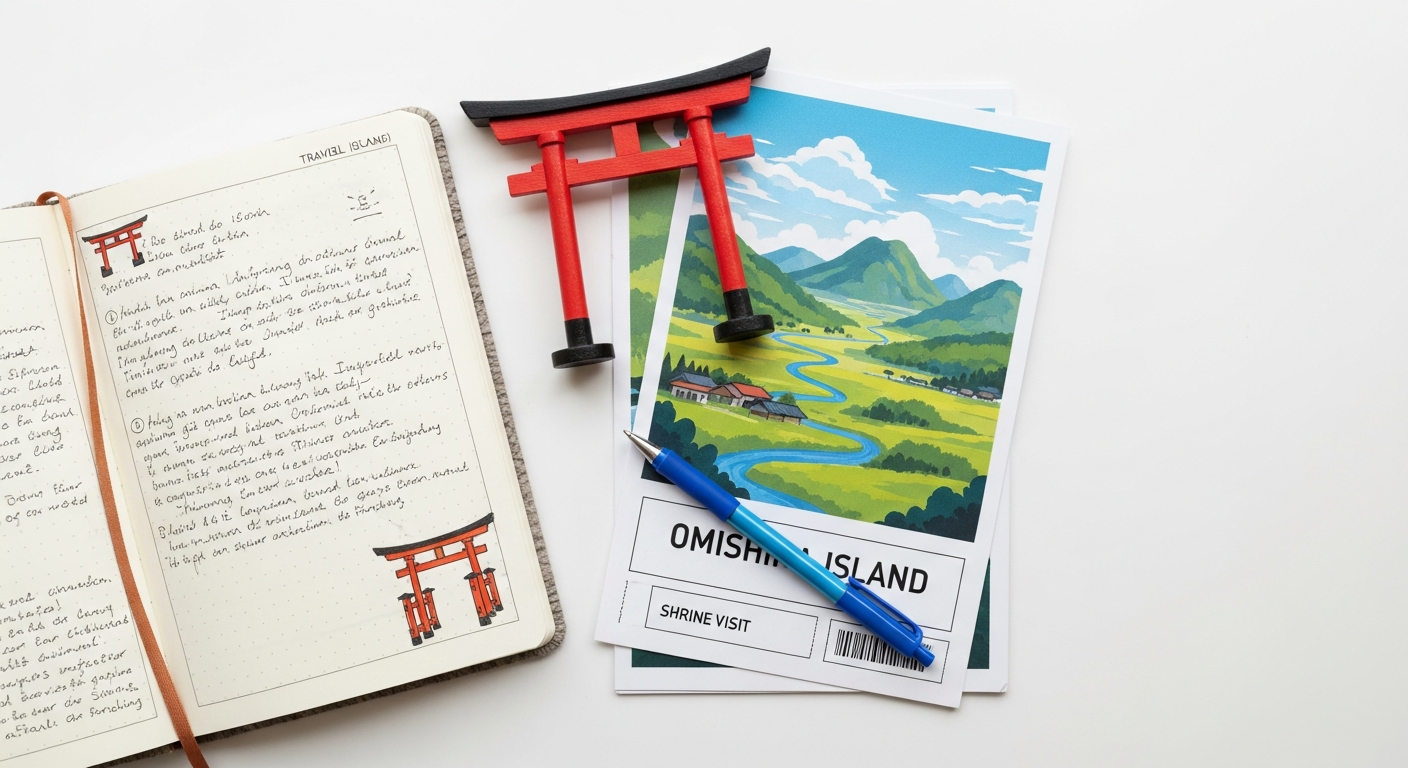
Omishima is a cultural powerhouse, home to one of Japan’s most important Shinto shrines and a burgeoning contemporary art scene. These attractions offer a fascinating contrast and deep insight into the island’s spirit.
Oyamazumi Shrine: Guardian of Warriors and National Treasures
At the spiritual heart of Omishima lies the magnificent Oyamazumi Shrine (大山祇神社). Revered for over 2,600 years, this shrine is dedicated to the gods of mountains, seas, and warriors, making it a pilgrimage site for samurai throughout history. It famously houses an unparalleled collection of ancient armor, swords, and other weaponry, many of which are designated National Treasures or Important Cultural Properties. It’s said that 80% of Japan’s designated armor and weapons are stored here!
- Location: 3326 Oyamazumichō Miyaura, Imabari, Ehime 794-1393. Easily accessible from the main cycling route via a short detour inland.
- Opening Hours: The shrine grounds are always open. The Treasure Hall (Homotsukan) and Marine Museum typically open from 8:30 AM to 5:00 PM (last entry 4:30 PM).
- Admission: Free to enter the shrine grounds. Treasure Hall & Marine Museum admission is usually around 1,000 JPY (combined ticket available).
- Insider Tip: Don’t rush through the grounds. Take your time to admire the massive, ancient camphor trees, some over 2,600 years old, which exude a palpable sense of history and serenity. One tree, known as “Oyamazumi no Okusu,” is particularly awe-inspiring. Afterwards, explore the quaint shopping street leading up to the shrine, offering local souvenirs and snacks.
Tokoro Museum of Contemporary Art: Art with a View
Perched on a hillside overlooking the Seto Inland Sea, the Tokoro Museum of Contemporary Art (ところミュージアム大三島) is a striking architectural marvel designed by Kazuhiro Ishii. Its unique structure and outdoor sculpture garden blend seamlessly with the natural landscape, offering stunning views alongside thought-provoking contemporary works. It’s an experience where art, architecture, and nature converge.
- Location: 2790 Utena, Omishimacho, Imabari, Ehime 794-1304. A short, but steep, climb from the coastal road.
- Opening Hours: Typically 9:00 AM to 5:00 PM (last entry 4:30 PM). Closed on Mondays (or the following Tuesday if Monday is a national holiday).
- Admission: Around 800 JPY.
Toyo Ito Museum of Architecture: A Masterpiece by a Master
Just a stone’s throw from the Tokoro Museum, you’ll find the Toyo Ito Museum of Architecture (伊東豊雄建築ミュージアム), dedicated to the works of Pritzker Prize-winning architect Toyo Ito, who has strong ties to Omishima. The museum consists of two distinct buildings: the striking “Steel Hut” and the more traditional “Silver Hut.” Both offer unique insights into Ito’s innovative approach to design and his philosophy of architecture that harmonizes with nature.
- Location: 2418 Utena, Omishimacho, Imabari, Ehime 794-1304.
- Opening Hours: Similar to Tokoro Museum; typically 9:00 AM to 5:00 PM (last entry 4:30 PM). Closed on Mondays (or the following Tuesday if Monday is a national holiday).
- Admission: Around 800 JPY.
- Insider Tip: Consider purchasing a combined ticket for the Tokoro Museum and Toyo Ito Museum if you plan to visit both, which often offers a slight discount. The views from this hilltop area are spectacular, especially around sunset.
Nature & Outdoor Activities: Embracing Omishima’s Landscape
Beyond its cultural sites, Omishima invites you to immerse yourself in its lush landscapes and the tranquil beauty of the Seto Inland Sea.
Cycling & Scenic Routes
While the main Shimanami Kaido path loops around the island, don’t hesitate to venture off the beaten path. Smaller, quieter roads wind through citrus groves and charming hamlets. The ride around the entire island is roughly 30-40 km, offering varied scenery from coastal vistas to rural backroads.
- Coastal Path: Enjoy gentle cycling along the perimeter, with numerous spots for photo opportunities and sea breeze.
- Inland Detours: For a bit more challenge and unique views, take the roads leading up to the Oyamazumi Shrine or the art museums. The reward is worth the effort!
Tatara Shimanami Park (Michi-no-Eki)
Located near the base of the Tatara Bridge (connecting Omishima to Ikuchijima), Tatara Shimanami Park is a bustling roadside station (Michi-no-Eki) and a hub for cyclists. It’s an excellent place to take a break, grab a meal, or pick up local souvenirs.
- Location: 918-5 Kamiura-cho Inokuchi, Imabari, Ehime 794-1402.
- What to find: A large parking lot, restrooms, a restaurant serving local dishes, a shop selling fresh citrus, local produce, and Shimanami Kaido souvenirs. It also hosts a major rental bike terminal.
- Insider Tip: Don’t miss the “Tatara-san” (Tatara-kun) statue, a beloved local mascot. From here, you can also enjoy a fantastic view of the Tatara Bridge, one of the world’s longest cable-stayed bridges.
Citrus Groves & Farm Experiences
Omishima, like much of Ehime Prefecture, is famous for its citrus. The island is blanketed with orchards growing various types of mikan (mandarin oranges), lemons, and other citrus fruits. Depending on the season, you might see farmers tending their groves or even find opportunities for fruit picking (check with local tourist information for specific farms offering this). Even without picking, the sight and scent of the orchards are delightful.
Savoring Omishima: Food & Local Delights
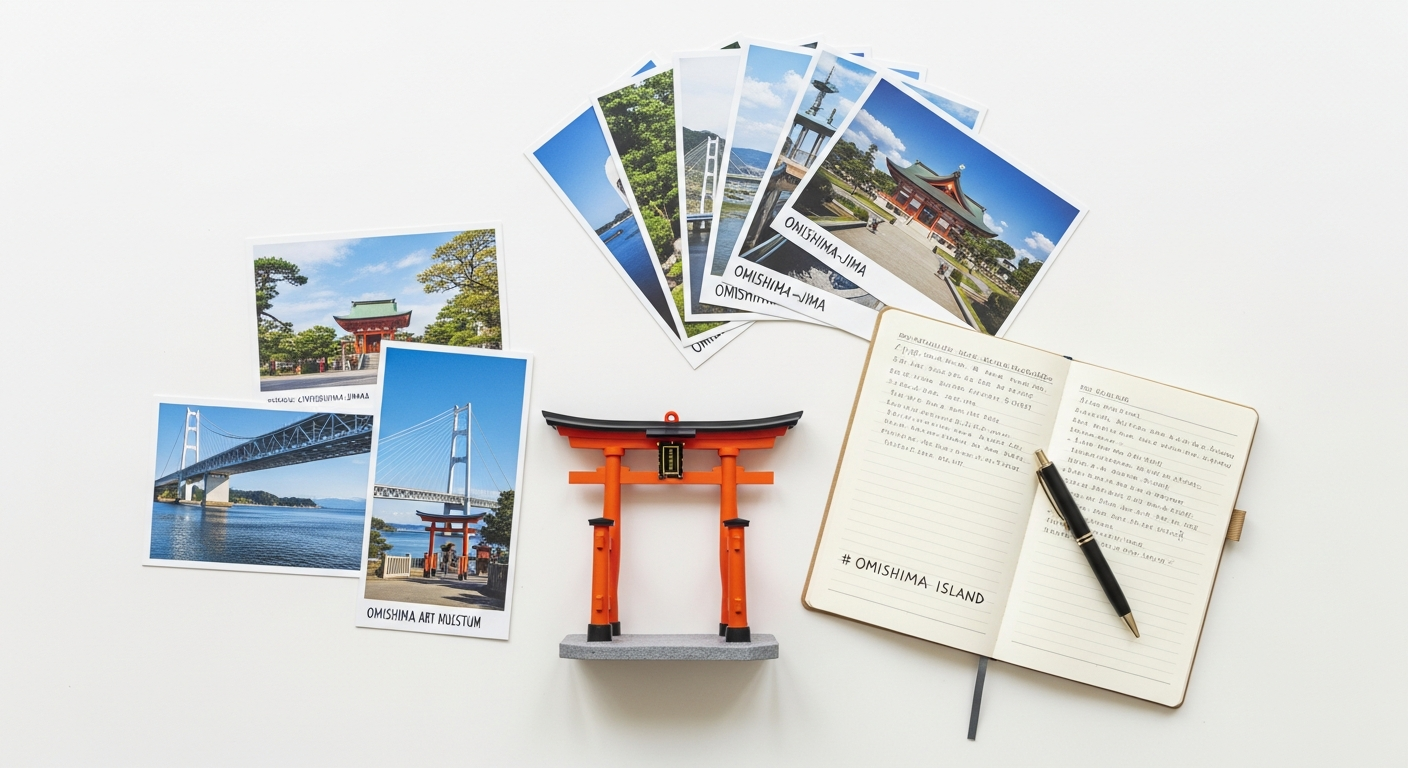
No trip to Omishima is complete without indulging in its local gastronomy. The island’s bounty from both land and sea promises a delicious culinary journey.
Fresh Seafood
Being an island in the Seto Inland Sea, fresh seafood is a staple. Look out for dishes featuring local sea bream (tai), which is particularly prized in Ehime. “Tai-meshi” (sea bream rice) is a regional specialty, often served either as a whole steamed fish with rice or as sashimi-style sea bream mixed into hot rice.
- Where to find it: Many small restaurants around Oyamazumi Shrine and Tatara Shimanami Park will offer fresh seafood. Keep an eye out for daily specials using the morning’s catch.
Citrus Everything!
Omishima’s identity is inextricably linked to its citrus. You’ll find a delightful array of citrus-infused products:
- Fresh Mikan Juice: Absolutely a must-try. The sweetness and tanginess of freshly squeezed mikan juice are unparalleled.
- Citrus Sweets: Mikan jelly, ice cream, cakes, and even mikan-flavored mochi are popular.
- Local Produce: Purchase fresh mikan (in season), lemons, or other seasonal fruits directly from roadside stalls or at Tatara Shimanami Park.
- Insider Tip: Try a “mikan soft serve” ice cream from one of the shops near Oyamazumi Shrine – it’s incredibly refreshing after a day of cycling or exploring.
Local Eateries and Cafes
Omishima has a charming selection of small, independent eateries. Near Oyamazumi Shrine, you’ll find traditional Japanese restaurants, udon shops, and cafes. Tatara Shimanami Park also has a cafeteria-style restaurant offering a range of local dishes. For a more relaxed experience, seek out a local cafe for a coffee and a view of the sea.
- Miyaura Area: The area around Oyamazumi Shrine has several dining options catering to visitors.
- Kamiura Area: Tatara Shimanami Park is a major food hub.
Accommodation & Practicalities for Your Omishima Stay
To truly soak in Omishima’s atmosphere, consider an overnight stay. Here’s what you need to know for a comfortable visit.
Accommodation Options
Omishima offers a range of authentic Japanese lodging experiences:
- Minshuku (Family-run Guesthouses): These offer a traditional stay, often including homemade meals. They provide a wonderful opportunity to experience local hospitality.
- Guesthouses/Hostels: Ideal for budget travelers and those looking to connect with other cyclists. Many are cyclist-friendly, offering bike storage and repair tools.
- Ryokan: While not as numerous as on larger islands, some traditional inns may offer a more luxurious experience.
- Booking Advice: Especially during peak cycling seasons (spring and autumn), accommodation can fill up quickly. It’s highly recommended to book your stay well in advance, ideally several months out. Use popular booking sites, but also check local tourist information websites for smaller, independent guesthouses.
Convenience & Services
- ATMs & Cash: While some larger establishments accept credit cards, many smaller shops, restaurants, and guesthouses on Omishima are cash-only. It’s always wise to carry enough Japanese Yen. You can find ATMs at post offices and convenience stores.
- Convenience Stores (Konbini): There are convenience stores (e.g., Lawson, FamilyMart) on Omishima, primarily near the main roads and populated areas. They are useful for snacks, drinks, and basic supplies.
- Bike Support: As mentioned, Tatara Shimanami Park has a rental bike terminal. Some guesthouses also offer basic bike repair kits or can direct you to the nearest repair shop.
- Tourist Information: Look for information centers at Tatara Shimanami Park and near Oyamazumi Shrine. They can provide maps, bus schedules, and local recommendations.
- Opening Hours: Many smaller shops and restaurants on Omishima, especially outside the main tourist hubs, may have limited opening hours or close early. Always check in advance if you have specific plans.