Your Ultimate Shimanami Kaido Accommodation Guide: Where to Stay for the Perfect Cycling Adventure
Understanding the Shimanami Kaido Journey & Accommodation Zones
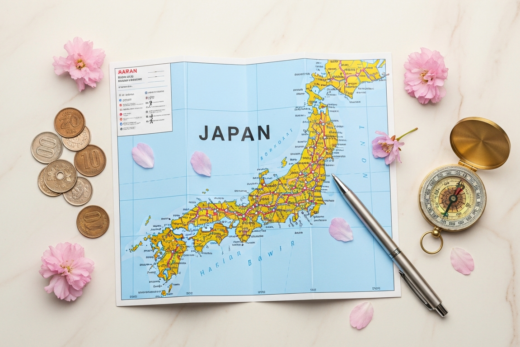
The Shimanami Kaido stretches approximately 70 kilometers from Onomichi in Hiroshima Prefecture to Imabari in Ehime Prefecture, traversing six distinct islands connected by breathtaking bridges. While some intrepid cyclists tackle the entire route in a single, grueling day, most prefer to savor the journey over two or three days. This multi-day approach allows for leisurely exploration of the islands, their unique cultures, local delicacies, and of course, a good night’s sleep!
Planning your accommodation is paramount for a smooth trip. Unlike major cities, many of the island accommodations are smaller, family-run establishments (minshuku) or unique guesthouses with limited capacity. Weekends, national holidays, and peak seasons (spring and autumn) see these places book up incredibly fast. Deciding on your overnight stops dictates the pace of your ride, so consider how far you want to cycle each day and what attractions you want to explore. We’ll break down the route into logical zones, offering specific recommendations for each.
Onomichi: The Northern Gateway’s Charm
Onomichi, with its retro charm, temple walks, and bustling port, serves as the spiritual northern gateway to the Shimanami Kaido. Many cyclists choose to spend a night here before their ride, or upon completion, to soak in its unique atmosphere. It’s an excellent base for pre-ride preparations, bicycle rentals, and enjoying a delicious meal with views of the Seto Inland Sea.
Why Stay in Onomichi?
* Convenience: Easy access to Onomichi Station, ferry terminals, and numerous bike rental stations.
* Vibrant Atmosphere: Explore the historic Temple Walk, enjoy local ramen, and browse charming shops.
* Variety of Accommodation: From modern hotels to traditional ryokans and budget-friendly guesthouses.
Top Onomichi Accommodation Picks:
1. Hotel Cycle (Onomichi U2): This is the iconic Shimanami Kaido hotel for cyclists. Located right on the waterfront in a converted warehouse, Hotel Cycle offers direct access to the cycling path. You can literally cycle your bike into your room! It’s stylish, modern, and incredibly cycle-friendly, featuring a bike shop, a restaurant, a bakery, and even showers for non-guests.
* Location: 5-11 Nishigoshocho, Onomichi, Hiroshima. A short walk from Onomichi Station.
* Cost: Mid-to-high range (approx. ¥15,000 – ¥30,000+ per night).
* Insider Tip: Even if you don’t stay here, grab a coffee and a pastry from their bakery, Butti Bakery, before your ride!
2. Guesthouse Yadoya: For budget-conscious travelers seeking a more local, communal experience, Yadoya is a fantastic choice. It’s a charming guesthouse in a renovated traditional Japanese house, offering both dorm beds and private rooms. The friendly staff and cozy common areas make it easy to meet fellow travelers.
* Location: 2-10-20 Tsuchido, Onomichi, Hiroshima. A bit further from the station, but closer to the Temple Walk.
* Cost: Budget range (approx. ¥3,000 – ¥7,000 per night).
* Insider Tip: They often host small events or have local information readily available. Ask them for their favorite ramen spot!
3. Ryokan Kinenkan: If you’re looking for a taste of traditional Japanese hospitality with a touch of history, Kinenkan is a beautiful option. This classic ryokan offers tatami rooms, futon beds, and often includes traditional Japanese breakfasts and dinners. It’s a wonderful way to immerse yourself in local culture.
* Location: 3-1 Minamiguchi-cho, Onomichi, Hiroshima. Conveniently located near the port and station.
* Cost: Mid-to-high range (approx. ¥10,000 – ¥25,000+ per person, often includes meals).
* Insider Tip: Book a room with a sea view if possible – the sunrise over the islands is spectacular.
Ikuchijima & Innoshima: Island Hopping & Hidden Gems
As you venture past Onomichi, the islands of Innoshima and Ikuchijima offer excellent mid-route stopping points, especially if you’re taking a leisurely 2-3 day ride. These islands provide a quieter, more rural experience compared to Onomichi.
Innoshima: The Pirate Island
Innoshima is the first major island you encounter after Onomichi (via the Innoshima Bridge). It’s known for its citrus groves, historic castles (Innoshima Suigun Castle), and connection to medieval pirates (Suigun).
* Accommodation: Options here are generally limited to smaller minshuku (family-run inns) or guesthouses. These often provide a very authentic Japanese experience with home-cooked meals.
* Local Tip: Look for places near Habu Port, as it’s a central hub. Camping options are also available for the adventurous, such as Innoshima Ohashi Memorial Park Campground.
Ikuchijima: Art, Citrus, and Serenity
Connected to Innoshima by the Ikuchi Bridge, Ikuchijima is renowned for its vibrant citrus farms (especially lemons!), beautiful beaches, and outdoor art installations. Setoda, on Ikuchijima, is a popular and charming town with a relaxed vibe.
Top Ikuchijima Accommodation Picks:
1. Setoda Private Hostel (SOIL Setoda): A beautifully renovated traditional house offering both dorms and private rooms. It’s highly praised for its stylish design, friendly atmosphere, and excellent location near Setoda Port and the famous Kosanji Temple. It’s a hub for cyclists and travelers alike.
* Location: 226-2 Setodachō Setoda, Onomichi, Hiroshima. Very central in Setoda.
* Cost: Budget-to-mid range (approx. ¥4,000 – ¥10,000 per night).
* Insider Tip: Rent one of their bicycles (if you haven’t brought your own) to explore the island’s art installations and beaches.
2. Minshuku (Various options): Throughout Ikuchijima, you’ll find several small minshuku, offering a truly local experience. These are often listed on Japanese booking sites or can be found by looking for signs. They typically offer traditional Japanese rooms and home-cooked meals featuring local seafood and produce.
* Location: Scattered across the island, particularly around Setoda and Konishiki Beach.
* Cost: Mid-range (approx. ¥7,000 – ¥12,000 per person, often with meals).
* Insider Tip: Learning a few basic Japanese phrases will go a long way in these establishments, though many hosts are accustomed to international guests.
Omishima & Hakatajima: The Heart of the Kaido
These two islands are often considered the geographical and cultural heart of the Shimanami Kaido, making them ideal for a second night’s stop, especially if you’re doing a three-day ride.
Omishima: The Cycling Sanctuary Island
Omishima, connected by the Omishima Bridge, is home to the revered Oyamazumi Shrine (housing ancient samurai armor) and the Imabari City Omishima Museum of Art. It’s a very popular overnight stop for cyclists due to its mid-route location and unique offerings.
Top Omishima Accommodation Picks:
1. Omishima Minshuku (e.g., Minshuku Fujiwara, Minshuku Omishima): Several excellent minshuku dots Omishima, providing warm hospitality and delicious, fresh seafood dinners. They offer a genuine slice of island life. Look for options near Miyaura Port or the Oyamazumi Shrine area.
* Location: Various spots, concentrated around Miyaura Port.
* Cost: Mid-range (approx. ¥7,000 – ¥15,000 per person, often with meals).
* Insider Tip: Many minshuku can arrange for your luggage to be forwarded to your next stop, making your ride lighter.
2. WAKKA: A modern, stylish complex offering various accommodation types from private cabins to dormitories, right by the sea. WAKKA is incredibly cycle-friendly, featuring a cafe, bike rental, and even a repair space. It’s a fantastic spot to relax and enjoy the views.
* Location: 2273-3 Miyaura, Omishima-cho, Imabari, Ehime. Directly on the cycling route.
* Cost: Mid-range (approx. ¥6,000 – ¥15,000 per night depending on room type).
* Insider Tip: Enjoy a refreshing drink at their cafe overlooking the water – it’s the perfect mid-ride break.
Hakatajima: Salt, Beaches, and Relaxation
Connected to Omishima by the Hakata-Oshima Bridge, Hakatajima is known for its salt production and beautiful sandy beaches. It’s a great place to unwind and enjoy the coastal scenery.
* Accommodation: Similar to Omishima, Hakatajima primarily offers minshuku and a few guesthouses. The focus here is on relaxation and enjoying the natural beauty.
* Local Tip: Look for accommodations near Hakata Beach or the Hakata S.A. (Service Area) for convenience. The Hakatajima Minshuku Association can also assist with bookings.
Oshima & Imabari: The Southern Shores and Grand Finale
As you approach the end of your Shimanami Kaido journey, the island of Oshima and the city of Imabari offer distinct options for your final night.
Oshima: Gateway to the Kurushima Kaikyo Bridge
Oshima is the last island before the impressive Kurushima Kaikyo Bridge, marking the final stretch to Imabari. It’s known for its stunning viewpoints of the bridge and delicious seafood.
Top Oshima Accommodation Picks:
1. Shimanami Kaido Cycling Terminal Sunrise Itoyama: This is another major hub for cyclists, located right at the foot of the Kurushima Kaikyo Bridge on the Oshima side. It offers basic but very convenient accommodation (dorm rooms, private rooms, and even cabins), bike rentals, showers, and a restaurant. It’s an excellent choice for an early start or late finish to cross the big bridge.
* Location: 2-8-1 Sunaba-cho, Imabari, Ehime. Directly on the cycling route.
* Cost: Budget-to-mid range (approx. ¥3,000 – ¥8,000 per night).
* Insider Tip: Stay here if you want to experience cycling over the Kurushima Kaikyo Bridge at sunrise – it’s magical!
2. Ryokan / Minshuku on Oshima: Several traditional inns are scattered around Oshima, especially near Yoshiumi-cho. These offer a tranquil escape with excellent seafood.
* Location: Various, often requiring a slight detour from the main cycling path.
* Cost: Mid-to-high range (approx. ¥8,000 – ¥20,000 per person, often with meals).
Insider Tip: Try the local specialty, Tai-meshi* (sea bream rice), which is particularly famous in this region.
Imabari: The Official End Point
Imabari, in Ehime Prefecture, is the official end (or start) of the Shimanami Kaido. It’s a larger city with more conventional hotel options, a castle, and a reputation for towel production.
Top Imabari Accommodation Picks:
1. Imabari Kokusai Hotel: For those seeking comfort and amenities after a long ride, this is a top-tier choice. It’s a modern, full-service hotel with spacious rooms, multiple restaurants, and often features an onsen (hot spring bath). It’s a great place to unwind and reflect on your achievement.
* Location: 3-1-4 Otemachi, Imabari, Ehime. A short taxi or bus ride from the Sunrise Itoyama terminal.
* Cost: Mid-to-high range (approx. ¥10,000 – ¥25,000+ per night).
* Insider Tip: Look for rooms on higher floors for views of Imabari Castle and the surrounding cityscape.
2. JR Hotel Clement Imabari: Conveniently located directly connected to JR Imabari Station, this hotel offers excellent accessibility for onward travel. It’s a comfortable and reliable option, popular with both business travelers and tourists.
* Location: 2-5-2 Minato-machi, Imabari, Ehime. Directly connected to Imabari Station.
* Cost: Mid-range (approx. ¥8,000 – ¥18,000 per night).
* Insider Tip: Take advantage of the station’s amenities, including shops and restaurants, for a final souvenir hunt or meal.
3. Various Business Hotels: Imabari has several budget-friendly business hotels (e.g., Dormy Inn, Toyoko Inn, Super Hotel) which offer clean, compact rooms and often include amenities like a simple breakfast or public bath.
* Location: Scattered around Imabari Station and the city center.
* Cost: Budget-to-mid range (approx. ¥5,000 – ¥10,000 per night).
* Insider Tip: Many business hotels have coin laundries, perfect for washing your cycling gear!
Accommodation Types & Booking Tips
Knowing the different types of accommodation will help you choose what best suits your travel style and budget.
* Hotels: Range from luxurious full-service establishments to compact business hotels. Offer private rooms, en-suite bathrooms, and various amenities. Found mostly in Onomichi and Imabari.
* Guesthouses/Hostels: Offer a more social and budget-friendly option, with dormitories and sometimes private rooms. Common areas are great for meeting other travelers. Often cycle-friendly.
* Minshuku (民宿): Family-run Japanese inns, typically offering traditional tatami rooms with futon beds. Often include delicious home-cooked breakfasts and dinners featuring local ingredients. A fantastic way to experience local culture and hospitality. Many on the islands are minshuku.
* Ryokan (旅館): Traditional Japanese inns, generally more upscale than minshuku, offering a higher level of service, beautiful gardens, and often private or public onsen (hot spring baths). Expect full-course traditional meals. Found in Onomichi and some larger island towns.
* Camping/Glamping: For the truly adventurous or budget-conscious, several campgrounds exist along the route (e.g., Innoshima Ohashi Memorial Park). Glamping options are also emerging.
Essential Booking Tips:
1. Book in Advance: This is the golden rule for Shimanami Kaido accommodation. Especially during peak seasons (spring cherry blossoms, autumn foliage), weekends, and national holidays, popular places can be fully booked months ahead. Aim for at least 3-6 months in advance for peak times, and 1-2 months for off-peak.
2. Use Multiple Platforms: While Booking.com and Agoda are popular, don’t forget Japanese sites like Rakuten Travel or Jalan (which may require some translation). Sometimes direct booking on the accommodation’s website offers the best rates or availability.
3. Consider Luggage Forwarding: Many accommodations, especially on the islands, are accustomed to handling luggage forwarding services (Takkyubin). This allows you to send your main luggage ahead to your next stop or even to your final destination, letting you cycle with just a daypack. Arrange this at your first accommodation or a convenience store.
4. Inform About Dietary Needs: If you’re staying at a minshuku or ryokan that includes meals, inform them well in advance about any dietary restrictions (vegetarian, allergies). Japanese cuisine can be very fish-heavy, so advance notice is crucial.
5. Check Cycle-Friendliness: Most accommodations along the Shimanami Kaido are aware of cyclists, but it’s always good to confirm if they have secure bike storage, washing facilities, or repair tools. Hotel Cycle and Sunrise Itoyama are purpose-built for cyclists.
6. Embrace the Local Experience: Don’t be afraid to try a minshuku. The hosts are often incredibly welcoming, and it’s a fantastic way to experience authentic Japanese hospitality and local cuisine.