Onomichi in One Day: The Ultimate Realistic Single-Day Itinerary
For many travelers, Onomichi offers a rare chance to slow down. Unlike the frantic pace of Tokyo or the high-gloss tourism of Kyoto, Onomichi invites you to climb, to observe, and to breathe in the salty sea air. Whether you are a film buff tracing the locations of Yasujiro Ozu’s *Tokyo Story*, a literature lover exploring the “Path of Literature,” or simply a wanderer seeking the perfect bowl of ramen, a single day in Onomichi provides a rich, sensory experience. This guide provides a realistic, walkable itinerary to help you navigate the vertical charm of Onomichi without missing its secret corners.
—
1. Getting to Onomichi: Logistics and Transportation
Planning your arrival is the first step toward a successful day trip. Onomichi is remarkably accessible from major hubs in Western Japan, but there is one crucial distinction every traveler needs to know: the difference between **Onomichi Station** and **Shin-Onomichi Station**.
The Shinkansen Route:
If you are coming from Osaka, Kyoto, or Hiroshima via the Sanyo Shinkansen, you will likely arrive at **Shin-Onomichi Station**. However, this station is located about 3 kilometers inland from the historic coastal center. From Shin-Onomichi, you will need to take a 10-minute bus or a taxi to reach the “real” Onomichi near the waterfront.
The Local Train Route:
For those staying in Hiroshima city or Fukuyama, taking a local or rapid train to **JR Onomichi Station** is often more convenient. This station is located right at the water’s edge, adjacent to the ferry terminals and the start of the shopping arcade.
—
2. Morning: The Temple Walk and the Senkoji Ropeway
Start your day early to beat the crowds and enjoy the morning light reflecting off the Seto Inland Sea. The best way to orient yourself is to head straight for the heights of **Senkoji Park**.
The Senkoji Ropeway
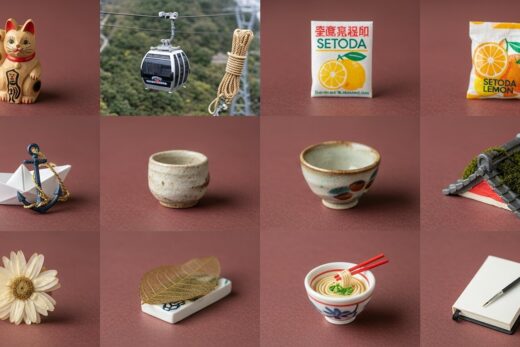
While you can walk up, taking the Senkoji Ropeway is a classic experience. The gondola lifts you over the rooftops, offering a bird’s-eye view of the narrow channel separating the mainland from Mukaishima Island. As you ascend, look down at the dense cluster of houses and the iconic three-story pagoda of Tenno-ji Temple.
Senkoji Temple and the Observatory
At the summit, visit the **Senkoji Observatory (PEAK)**, a modern architectural marvel designed to offer 360-degree views. From here, you can see the Shimanami Kaido bridges stretching across the islands. Following the view, walk down to **Senkoji Temple**, which is built into the side of the cliff. The vermillion-colored main hall is striking, but the “Lover’s Sanctuary” and the massive “mira-iwa” (Mirror Rock) are the true cultural highlights.
Descending the Temple Walk
Instead of taking the ropeway back down, walk. Onomichi is famous for its **Temple Walk (Koji-dera Meguri)**, a 2.5-kilometer path that connects 25 different temples. Since you only have one day, focus on the section between Senkoji and the town center.
—
3. Lunch: Savory Onomichi Ramen and Local Flavors
By midday, the climb will have worked up an appetite. In the world of Japanese gastronomy, Onomichi is synonymous with its own distinct style of ramen.
What is Onomichi Ramen?
Unlike the creamy tonkotsu of Kyushu or the miso base of Hokkaido, **Onomichi Ramen** features a clear yet rich soy sauce (shoyu) broth. The base is typically made from local seafood from the Seto Inland Sea blended with chicken and pork bones. The defining characteristic, however, is the addition of large crumbles of **seabura** (high-quality pork back fat) that float on top, adding a savory depth to the light broth. The noodles are typically flat and firm.
Where to Eat
—
4. Afternoon: Coastal Charms and the Shopping Arcade
After lunch, stay on flat ground and explore the maritime and commercial heart of the city.
The Onomichi Shotengai (Shopping Arcade)
Stretching for over a kilometer, the Onomichi Shopping Arcade is a nostalgic journey back to the Showa era. Unlike the sleek malls of Tokyo, this arcade is a mix of old-fashioned hardware stores, retro kissaten (coffee shops), and trendy new boutiques.
Onomichi U2
For a complete change of pace, walk toward the western end of the waterfront to **Onomichi U2**. Housed in a renovated maritime warehouse, this stylish complex is a hub for cycling culture and modern design. It contains the **Giant Store** (for high-end bike rentals), a boutique hotel, a bakery, and a lifestyle shop selling high-quality Setouchi crafts, such as Imabari towels and local olive oils. It is the perfect place to buy sophisticated souvenirs that go beyond the standard tourist trinkets.
—
5. Sunset: The Shimanami Taster (Ferry to Mukaishima)
You don’t need a bicycle or an entire day to experience the magic of the **Shimanami Kaido**. As the sun begins to dip, head to one of the small ferry piers near Onomichi Station.
The 100-Yen Ferry
One of the most charming experiences in Onomichi is taking the short ferry ride to **Mukaishima Island**. These ferries run every few minutes and are used by local students and commuters. The ride takes less than five minutes and costs only about 100 yen (paid in cash to the captain or a collector upon boarding).
Mukaishima Exploration
Once on Mukaishima, you can walk along the seawall to look back at the Onomichi skyline. The view of the town’s lights beginning to twinkle against the dark silhouette of the mountains is breathtaking. If you have time, visit **Goto Mineral Spring**, a retro soda factory on the island that has been producing bottled juice and cider since the early 20th century. Trying a “Ramune” or a local cider in their vintage shop is like stepping back in time.
Return to the mainland as the “blue hour” sets in, providing the perfect lighting for one last stroll along the waterfront promenade.
—