Savoring the Soul of the Seto Inland Sea: The Ultimate Guide to Onomichi-Style Okonomiyaki
Stepping into a local okonomiyaki shop here is an immersive experience. You are greeted by the rhythmic *clack-clack* of metal spatulas against a piping hot iron griddle and the intoxicating aroma of caramelizing sauce. This isn’t just a meal; it’s a cultural ritual that fuels the sailors, cyclists, and locals of the Setouchi region. Whether you’re a seasoned foodie or a first-time visitor to the Hiroshima Prefecture, discovering the local twist on this “soul food” is an essential part of the journey. In this guide, we’ll dive deep into what makes the Onomichi version unique and where you can find the most authentic bites in town.
—
1. The Art of the Layer: Understanding Hiroshima-Style Okonomiyaki
To appreciate the food in Onomichi, one must first understand the foundation: Hiroshima-style okonomiyaki. Unlike its Osaka counterpart, where ingredients are mixed into a batter before hitting the grill, the Hiroshima style is a masterpiece of architectural layering.
It begins with a thin, crepe-like base made of flour and water. Atop this, a mountain of shredded cabbage is piled high, followed by bean sprouts, tempura scraps (*tenkasu*), and strips of fatty pork belly. As the cabbage steams and collapses under its own weight, it develops a natural sweetness that balances the savory toppings.
The defining characteristic, however, is the addition of noodles—either yakisoba (wheat noodles) or udon. These are fried on the side, often seasoned with a dash of sauce, and then integrated into the stack. Finally, a fried egg is draped over the top, and the entire creation is finished with a generous coating of thick, sweet-and-savory okonomiyaki sauce, a sprinkle of dried green seaweed (*aonori*), and sometimes a dash of white pepper. It is a hearty, multi-textured meal designed to satisfy.
2. The Onomichi Twist: What Defines “Onomichi-yaki”?
While it follows the Hiroshima layering method, “Onomichi-yaki” introduces specific local ingredients that reflect the city’s port-town heritage. If you want to eat like a local, look for these two key additions:
These additions weren’t originally a gourmet choice; they were born of necessity and practicality. Chicken gizzards were an affordable source of protein for the working-class families of Onomichi, and dried squid was a shelf-stable staple in a maritime town. Today, they are the proud markers of a local culinary identity.
3. Where to Eat: Top Onomichi-yaki Spots You Can’t Miss
Onomichi is dotted with dozens of tiny, family-run shops. Many have only five or six seats around a communal *teppan* (iron griddle). Here are the absolute best spots to experience the authentic flavor of the city:
**Murahaya (村上)**
Located near the start of the Temple Walk, Murahaya is often cited as the gold standard for Onomichi-yaki. This shop rose to national fame after being featured in a popular Japanese television drama, but it has maintained its humble, nostalgic atmosphere. The owner, often a spirited “Obachan” (grandmotherly figure), cooks right in front of you. Their Onomichi-yaki is perfectly balanced, with the gizzards providing just the right amount of resistance.
**Okonomiyaki Kura (くら)**
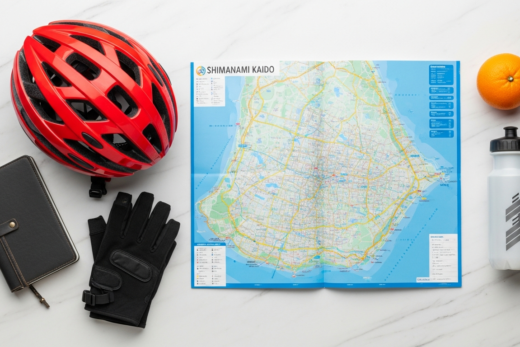
If you want a view with your meal, Kura is situated near the waterfront. They are known for their generous portions and high-quality *ika-ten*. The noodles here are pressed until they get a slightly crispy exterior, adding another layer of texture to the dish. It’s a favorite for cyclists coming off the Shimanami Kaido who need a high-calorie recovery meal.
**Nochishiki (のちほど)**
For a slightly more modern take in a cozy setting, Nochishiki offers a fantastic atmosphere. Their sauce has a slightly spicier kick than the standard Otafuku sauce used elsewhere, which pairs excellently with a cold glass of Japanese lager. Their attention to the “steam” phase of the cabbage makes for an exceptionally juicy okonomiyaki.
**Fukuya (福屋)**
Located conveniently near Onomichi Station, Fukuya is a great “first stop” or “last stop” for travelers. The shop has a classic Shōwa-era feel, with posters and memorabilia lining the walls. Their version of Onomichi-yaki is famously hearty, often featuring a bit more pork belly than other shops, making it incredibly savory.
**Sumichan (すみちゃん)**
A true hidden gem located slightly away from the main tourist drag. Sumichan is where the locals go. It is unpretentious, affordable, and the portions are massive. Watching the skill of the chef as they flip multiple okonomiyaki at once is a performance in itself.
4. Etiquette and Tips: How to Eat Like a Local
Eating okonomiyaki is an interactive experience, and there is a certain “way” to do it if you want to blend in with the locals.
5. Beyond Food: Exploring Onomichi’s Historic Slopes
While you’re in town for the food, Onomichi’s landscape demands exploration. The city is built on a series of steep hills overlooking the Seto Inland Sea, creating a “vertical” urban experience that is rare in Japan.
**The Temple Walk (Koji-terameguri):** This 2.5-kilometer path connects 25 different temples. It’s a workout for your legs but a feast for the eyes. You’ll walk through narrow residential alleys where laundry hangs overhead and cats nap on stone walls. The view from **Senko-ji Temple**, perched near the summit, offers the quintessential Onomichi photo: the three-story pagoda of Ten-ninji Temple framed against the blue waters of the channel.
**Cat Alley (Neko no Hosomichi):** A small section of the slope is dedicated to all things feline. From “lucky stone cats” painted by a local artist to actual stray cats that are the unofficial mascots of the city, this area is whimsical and incredibly charming.
**Cycling the Shimanami Kaido:** Many travelers use Onomichi as the starting point for this 70km bike path that hops across six islands to Shikoku. Even if you aren’t an athlete, renting an e-bike for a few hours to ride across the first bridge (Mukaishima) provides a stunning perspective of the region’s maritime industry and natural beauty.
6. Travel Logistics: Getting to and Around Onomichi
Onomichi is remarkably accessible, making it a perfect day trip or overnight stay from Hiroshima City or Okayama.
—